


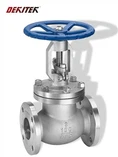

Hey there! As a supplier of Cast Steel Pressure Seal Gate Valves, I often get asked about how to replace the packing gland in these valves. It's a crucial maintenance task that can extend the lifespan of your valve and keep it working smoothly. So, let's dive right into it!
Why Replace the Packing Gland?
Before we get into the how - to, let's understand why we need to replace the packing gland. The packing gland is an essential part of the valve that helps to prevent leaks around the valve stem. Over time, due to factors like wear and tear, high - pressure operation, or exposure to harsh chemicals, the packing material can degrade. This can lead to leakage, which not only wastes resources but can also be a safety hazard in some industrial settings.
Tools You'll Need
First things first, gather the necessary tools. You'll need a set of wrenches (both open - end and socket wrenches), a screwdriver (flat - head or Phillips, depending on your valve), a packing removal tool (this can be a simple pick or a specialized packing extractor), and of course, a new packing gland set. Make sure the new packing gland is compatible with your Cast Steel Pressure Seal Gate Valve. You can always refer to the valve's manual or consult with us if you're unsure.
Step 1: Shut Down the System
Safety is always the top priority. Before you start working on the valve, shut down the system to which the valve is connected. This means turning off any pumps, closing upstream and downstream valves, and relieving the pressure in the pipeline. You don't want to be working on a live system, as it can be extremely dangerous.
Step 2: Remove the Old Packing Gland
Once the system is shut down and depressurized, it's time to remove the old packing gland. Start by loosening the gland bolts using your wrenches. These bolts hold the packing gland in place. Be careful not to drop the bolts, as they can be easily lost. Once the bolts are removed, you can gently lift off the packing gland.
Next, use your packing removal tool to take out the old packing material from the stuffing box. The stuffing box is where the packing is located around the valve stem. This can be a bit of a tricky process, especially if the packing has been in place for a long time. You may need to use some force, but be careful not to damage the valve stem or the stuffing box.
Step 3: Inspect the Valve Stem and Stuffing Box
With the old packing removed, take a close look at the valve stem and the stuffing box. Check for any signs of damage, such as scratches, corrosion, or wear. If you notice any significant damage, it may be necessary to repair or replace the valve stem or the stuffing box. A damaged stem or stuffing box can prevent the new packing from sealing properly.
Step 4: Install the New Packing
Now it's time to install the new packing. Cut the packing material to the appropriate length. The packing should fit snugly around the valve stem and inside the stuffing box. You may need to stack multiple rings of packing, depending on the design of your valve. Make sure to lubricate the packing material with a suitable lubricant before installation. This will help the packing to seal better and reduce friction.
Carefully place the packing rings into the stuffing box, one by one. Each ring should be seated evenly and without any twists. Once all the packing rings are in place, put the packing gland back on top of the stuffing box.


Step 5: Tighten the Gland Bolts
After the packing gland is in place, it's time to tighten the gland bolts. Use your wrenches to gradually tighten the bolts in a criss - cross pattern. This ensures that the packing gland is tightened evenly around the valve stem. Don't over - tighten the bolts, as this can damage the packing and cause premature failure. You want to apply just enough pressure to compress the packing and create a good seal.
Step 6: Test the Valve
Once you've tightened the gland bolts, it's time to test the valve. Slowly open the upstream valve to allow pressure to build up in the pipeline. Check for any signs of leakage around the packing gland. If you notice any leaks, you may need to adjust the gland bolts slightly. Keep an eye on the valve for a while to make sure the seal holds up under normal operating conditions.
Other Valve Options
If you're looking for different types of gate valves, we also offer a variety of options. For example, our Stainless Steel Flexible Wedge Gate Valve is known for its durability and excellent sealing performance. The flexible wedge design allows for better adaptation to different operating conditions.
Another great option is our Duplex Stainless Steel Pressure Seal Gate Valve. Duplex stainless steel offers high strength and corrosion resistance, making it suitable for harsh environments.
And if you need a valve with automated operation, our Pneumatic Actuator Gate Valve is a perfect choice. The pneumatic actuator allows for quick and easy valve operation, which is ideal for applications where frequent valve opening and closing are required.
Contact Us for Procurement
If you're in the market for a new Cast Steel Pressure Seal Gate Valve or need any valve - related products and services, don't hesitate to get in touch. We're here to help you find the right valve solutions for your specific needs. Whether you have questions about valve installation, maintenance, or replacement, our team of experts is ready to assist you.
References
- Valve Maintenance Handbook
- Cast Steel Pressure Seal Gate Valve Manufacturer's Manual
So, that's how you replace the packing gland in a Cast Steel Pressure Seal Gate Valve. I hope this guide has been helpful to you. If you have any more questions, feel free to reach out!