



As a globe valve supplier, I've seen firsthand how leakage can be a real headache for our customers. It not only leads to wasted resources but can also cause serious safety issues in some industrial settings. In this blog, I'll share some practical tips on how to reduce the leakage of a globe valve.
Understanding the Causes of Globe Valve Leakage
Before we dive into the solutions, it's important to understand what causes globe valve leakage in the first place. There are several common culprits:
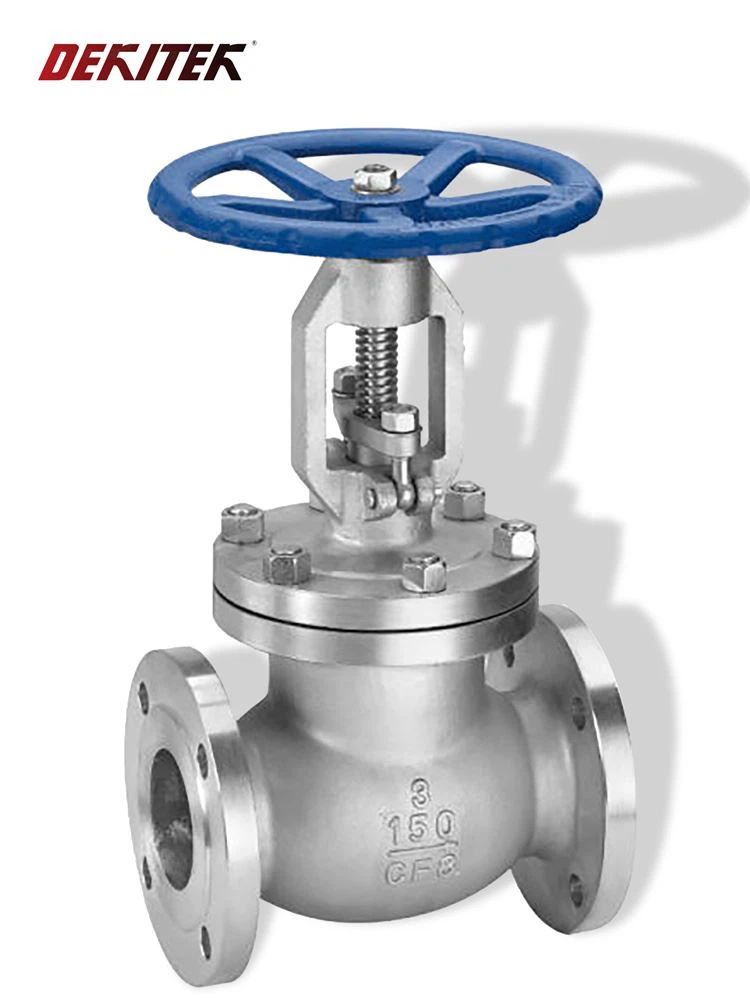

- Sealing Surface Damage: Over time, the sealing surfaces of the valve can get worn out due to friction, corrosion, or the presence of abrasive particles in the fluid. This can create gaps through which the fluid can leak.
- Improper Installation: If the valve isn't installed correctly, it may not form a proper seal. This could be due to misalignment, incorrect torque on the bolts, or using the wrong type of gaskets.
- Material Compatibility Issues: The materials used in the valve may not be compatible with the fluid it's handling. For example, a valve made of a certain metal may corrode when in contact with a specific chemical, leading to leakage.
- Pressure and Temperature Fluctuations: Extreme changes in pressure or temperature can cause the valve components to expand or contract, which may break the seal and result in leakage.
Tips to Reduce Globe Valve Leakage
1. Choose the Right Valve Material
The first step in preventing leakage is to select the appropriate valve material for your application. Different fluids and operating conditions require different materials. For instance, if you're dealing with corrosive fluids, a Stainless Steel Globe Valve would be a great choice. Stainless steel is highly resistant to corrosion, which helps maintain the integrity of the sealing surfaces.
If you need a valve that can withstand high pressures and temperatures, a Cast Steel Globe Valve might be more suitable. Cast steel has excellent mechanical properties and can handle harsh operating conditions without deforming or cracking.
For applications where you need a combination of strength and corrosion resistance, a Duplex Steel Globe Valve is a top option. Duplex steel offers better performance than regular stainless steel in many situations.
2. Ensure Proper Installation
Proper installation is crucial for preventing leakage. Here are some key points to keep in mind:
- Alignment: Make sure the valve is properly aligned with the pipeline. Misalignment can put stress on the valve and its sealing components, leading to leakage.
- Torque: Use the correct torque when tightening the bolts. Over - tightening can damage the gasket or the valve body, while under - tightening won't create a proper seal.
- Gaskets: Select the right type of gasket for your application. The gasket should be made of a material that is compatible with the fluid and the operating conditions. Replace the gasket if it shows signs of wear or damage.
3. Regular Maintenance
Regular maintenance is essential to keep your globe valve in good working condition and reduce the risk of leakage. Here are some maintenance tasks you should perform:
- Inspection: Regularly inspect the valve for signs of wear, corrosion, or damage. Check the sealing surfaces, gaskets, and valve body for any visible issues.
- Lubrication: Lubricate the moving parts of the valve, such as the stem, to reduce friction and prevent wear. Use a lubricant that is compatible with the valve materials and the fluid it's handling.
- Cleaning: Keep the valve clean to prevent the buildup of dirt, debris, or scale. This can be done by flushing the valve with a suitable cleaning solution periodically.
4. Monitor Pressure and Temperature
As mentioned earlier, pressure and temperature fluctuations can cause leakage. Install pressure and temperature sensors to monitor these parameters continuously. If you notice any abnormal changes, take appropriate measures to adjust the operating conditions or perform maintenance on the valve.
5. Upgrade Sealing Technology
Advancements in sealing technology have led to the development of more effective sealing solutions. Consider upgrading your valve's sealing components to more advanced designs, such as double - sealing or self - adjusting seals. These seals can provide better performance and reduce the likelihood of leakage.
Conclusion
Reducing the leakage of a globe valve requires a combination of proper selection, installation, maintenance, and monitoring. By following the tips outlined in this blog, you can significantly reduce the risk of leakage and ensure the reliable operation of your valve.
If you're in the market for a high - quality globe valve or need more advice on reducing leakage, don't hesitate to reach out. We're here to help you find the best solution for your specific needs. Let's work together to keep your operations running smoothly and efficiently.
References
- Valve Handbook, 4th Edition by J. S. T. Smith
- Industrial Valve Technology: Principles and Applications by R. A. Streeter