


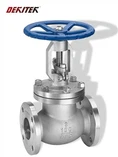

Hey there, fellow industry enthusiasts! As a gate valve supplier, I've seen firsthand the challenges that come with fugitive emissions in gate valves. Fugitive emissions are those unintended leaks of gases or vapors from industrial equipment, and they can be a real pain in the neck when it comes to gate valves. Not only do they pose environmental risks, but they can also lead to safety hazards and increased operational costs. In this blog, I'm gonna share some practical tips on how to reduce fugitive emissions in gate valves.
1. Choose the Right Materials
The first step in reducing fugitive emissions starts right at the material selection stage. Different applications call for different materials, and choosing the wrong one can spell disaster. For instance, in environments where corrosion is a major concern, you wanna go for materials that are highly resistant. One great option is duplex stainless steel.
A Duplex Stainless Steel Gate Valve is a solid choice. Duplex stainless steel combines the best of both austenitic and ferritic stainless steels. It has excellent corrosion resistance, high strength, and good weldability. This means that the valve is less likely to develop cracks or other forms of damage that could lead to emissions.


Another type of valve made from duplex stainless steel is the Duplex Stainless Steel Pressure Seal Gate Valve. These valves are designed for high-pressure applications, and the pressure seal design helps to ensure a tight seal, reducing the chances of fugitive emissions.
2. Proper Installation
Even the best gate valve won't perform well if it's not installed correctly. During installation, make sure that the valve is aligned properly. Misalignment can cause stress on the valve components, leading to premature wear and potential leaks.
The bolts used to secure the valve should be tightened to the manufacturer's specifications. Over-tightening can damage the valve, while under-tightening can result in a loose seal. It's a delicate balance, but getting it right is crucial for reducing emissions.
Also, pay attention to the gaskets. The gasket is the seal between different parts of the valve, and it needs to be installed correctly. Make sure it's clean, free of any nicks or damage, and properly seated. If the gasket isn't in good condition, it can be a major source of fugitive emissions.
3. Regular Maintenance
Regular maintenance is key to keeping your gate valves in top shape and minimizing fugitive emissions. One of the most important maintenance tasks is lubrication. The moving parts of the valve, such as the stem and the gate, need to be lubricated to reduce friction. This not only helps the valve operate smoothly but also prevents wear and tear that could lead to leaks.
Inspect the valve regularly for signs of damage, such as cracks, corrosion, or wear on the sealing surfaces. If you notice any issues, address them immediately. A small problem left untreated can turn into a big one, resulting in significant fugitive emissions.
Monitoring the valve's performance is also important. Keep an eye on pressure and temperature readings, as abnormal values can indicate a problem with the valve. If you notice any changes, investigate the cause and take corrective action.
4. Upgrade Valve Design
In some cases, upgrading the valve design can significantly reduce fugitive emissions. Modern gate valve designs often incorporate features that improve sealing performance. For example, High Pressure And High Temperature Gate Valves are designed to handle extreme conditions while maintaining a tight seal.
These valves may have advanced packing materials or improved sealing geometries. By upgrading to a newer design, you can take advantage of these features and reduce the risk of emissions. However, before making any upgrades, make sure to consult with an expert to ensure that the new design is compatible with your existing system.
5. Training and Education
Last but not least, training and education are essential. Make sure that your maintenance and operating staff are well-trained on how to handle gate valves properly. They should know how to install, maintain, and operate the valves to minimize fugitive emissions.
Provide regular training sessions to keep their skills up to date. This can include hands-on training, as well as theoretical lessons on valve design, operation, and maintenance. By investing in your staff's knowledge, you're investing in the long-term performance of your gate valves.
Conclusion
Reducing fugitive emissions in gate valves is a multi-faceted challenge, but it's definitely achievable. By choosing the right materials, ensuring proper installation, conducting regular maintenance, upgrading valve designs, and providing training and education, you can significantly reduce the risk of emissions.
If you're in the market for high-quality gate valves or need advice on reducing fugitive emissions, don't hesitate to reach out. We're here to help you find the best solutions for your needs. Whether you're dealing with a small-scale operation or a large industrial facility, we've got the expertise and products to keep your gate valves running smoothly and emissions-free.
References
- "Valve Handbook: Principles and Applications," Author Unknown, Publisher Unknown
- "Corrosion Resistance of Duplex Stainless Steels in Industrial Environments," Journal of Materials Science, Volume XX, Issue XX, Year XX
- "Best Practices for Gate Valve Maintenance," Industry Standards Guide, Organization XX