



Hey there! As a supplier of Triple Offset Lug Type Butterfly Valves, I often get asked about how to ensure their tight shut-off. It's a crucial aspect, especially in industries where preventing leakage is a top priority. So, let's dive right in and explore the key factors and steps to achieve a tight shut-off with these valves.
Understanding the Triple Offset Lug Type Butterfly Valve
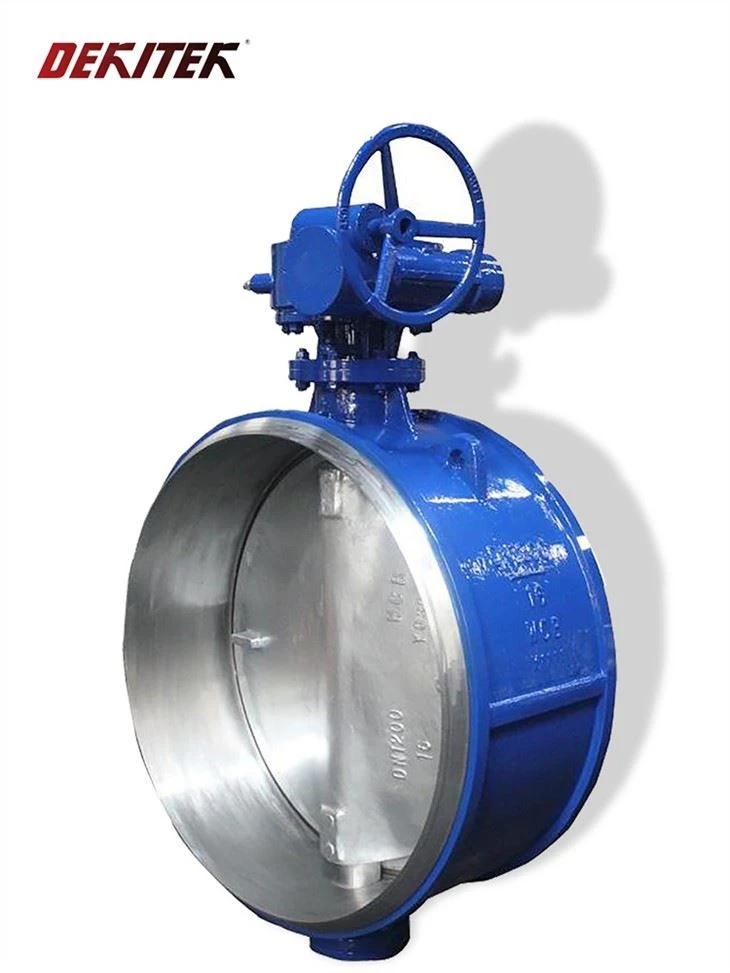
First things first, let's quickly go over what a Triple Offset Lug Type Butterfly Valve is. This type of valve is a high-performance valve designed for applications that require a bubble-tight shut-off. The "triple offset" refers to three different offsets in the valve's design: one in the shaft, one in the disc, and one in the seat cone angle. These offsets create a cam action that ensures a perfect seal when the valve is closed. The "lug type" means that the valve has threaded lugs on its body, which allow it to be installed between two flanges using bolts.
Selecting the Right Valve
The first step in ensuring a tight shut-off is to select the right valve for your application. You need to consider several factors, such as the operating pressure, temperature, flow rate, and the type of fluid or gas you're dealing with. For example, if you're working with a high-pressure system, you'll need a valve that can handle that pressure without leaking. Similarly, if you're dealing with corrosive fluids, you'll need a valve made from materials that can resist corrosion.
At our company, we offer a wide range of Triple Offset Lug Type Butterfly Valves, as well as other types like Flange End Metal Sealing Butterfly Valve, Triple Offset BW End Butterfly Valve, and Triple Offset Wafer Type Butterfly Valve. We can help you choose the right valve based on your specific requirements.
Proper Installation
Once you've selected the right valve, the next step is to install it correctly. Improper installation can lead to leaks and other problems, so it's important to follow the manufacturer's instructions carefully. Here are some key installation points to keep in mind:
- Flange Alignment: Make sure the flanges on either side of the valve are properly aligned. Misaligned flanges can cause uneven stress on the valve, leading to leaks. Use a flange alignment tool to ensure accurate alignment.
- Bolt Tightening: Tighten the bolts evenly and to the recommended torque. Over-tightening can damage the valve or the flanges, while under-tightening can result in leaks. Use a torque wrench to ensure proper tightening.
- Gasket Installation: Use the correct gasket for your application and install it properly. The gasket should be clean and free of any damage or debris. Make sure it is centered between the flanges and the valve.
Regular Maintenance
Regular maintenance is essential for ensuring the long-term performance and tight shut-off of your Triple Offset Lug Type Butterfly Valve. Here are some maintenance tasks you should perform regularly:
- Inspection: Inspect the valve regularly for any signs of damage, wear, or corrosion. Check the disc, seat, shaft, and other components for any cracks, scratches, or other defects.
- Lubrication: Lubricate the valve's moving parts, such as the shaft and the bearings, regularly. This helps to reduce friction and wear, and ensures smooth operation. Use a lubricant recommended by the manufacturer.
- Seat Cleaning: Clean the valve's seat regularly to remove any debris or buildup. This helps to ensure a proper seal when the valve is closed. Use a soft brush or a cloth to clean the seat.
Testing the Valve
After installation and regular maintenance, it's important to test the valve to ensure it is providing a tight shut-off. There are several methods you can use to test the valve, such as:

- Pressure Testing: Apply a pressure test to the valve to check for leaks. You can use a pressure gauge or a pressure testing device to measure the pressure. Make sure the pressure is within the valve's rated pressure.
- Visual Inspection: Inspect the valve visually for any signs of leakage. Look for any drips, seepage, or other signs of fluid or gas escaping from the valve.
- Bubble Testing: Use a bubble solution to test for leaks. Apply the bubble solution to the valve's joints and connections, and look for any bubbles. If you see bubbles, it indicates a leak.
Troubleshooting Leaks
If you find that your Triple Offset Lug Type Butterfly Valve is leaking, don't panic. There are several common causes of leaks, and most of them can be easily fixed. Here are some common causes of leaks and how to troubleshoot them:
- Improper Installation: If the valve was installed incorrectly, it can cause leaks. Check the installation to make sure all the components are properly aligned and tightened.
- Worn or Damaged Seats: Over time, the valve's seats can wear out or become damaged. This can cause leaks. Replace the seats if necessary.
- Corrosion: Corrosion can damage the valve's components and cause leaks. Check the valve for any signs of corrosion and replace any damaged components.
- Foreign Objects: Foreign objects can get stuck in the valve and prevent it from closing properly. Clean the valve to remove any foreign objects.
Conclusion
Ensuring the tight shut-off of a Triple Offset Lug Type Butterfly Valve is crucial for the safety and efficiency of your industrial processes. By selecting the right valve, installing it correctly, performing regular maintenance, testing the valve, and troubleshooting leaks, you can ensure that your valve provides a reliable, bubble-tight shut-off.
If you're in the market for a Triple Offset Lug Type Butterfly Valve or need help with valve selection, installation, or maintenance, don't hesitate to contact us. We're here to help you find the right solution for your needs. Let's start a conversation and see how we can work together to meet your valve requirements.
References
- Valve Handbook, Various Authors
- Industrial Valve Standards and Guidelines