


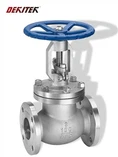

Vibration in a cast steel globe valve can be a persistent and troublesome issue that affects the valve's performance, longevity, and the overall efficiency of the system it's a part of. As a leading supplier of cast steel globe valves, we understand the challenges that come with valve vibration and are well - versed in effective prevention strategies. In this blog, we'll delve into the root causes of vibration in cast steel globe valves and share practical methods to prevent it.
I. Understanding the Causes of Vibration in Cast Steel Globe Valves
1. Fluid Flow Characteristics
- High - Velocity Flow: When the fluid flows through the valve at extremely high velocities, it can create turbulent flow patterns. These turbulent flows generate pressure fluctuations, which in turn cause the valve to vibrate. For example, in a pipeline where the fluid is being transported under high pressure and low - diameter pipes are used, the velocity of the fluid can increase significantly when passing through the valve.
- Flow Imbalance: Uneven flow distribution within the valve can also lead to vibration. This can occur if the valve is not properly sized for the flow rate or if there are obstructions in the pipeline upstream or downstream of the valve. For instance, a partially blocked filter upstream of the valve can cause the fluid to flow unevenly through the valve, creating vibrations.
2. Mechanical Factors
- Loose Components: If the internal components of the valve, such as the stem, disc, or seat, are not properly tightened or secured, they can move independently during operation. This movement can cause vibrations as the components rattle against each other or the valve body. For example, a loose stem nut can allow the stem to move axially, leading to vibrations.
- Resonance: Every mechanical system has a natural frequency at which it vibrates most easily. If the frequency of the pressure fluctuations in the fluid flow matches the natural frequency of the valve, resonance occurs. Resonance can cause the valve to vibrate violently, potentially leading to damage. This can happen when the valve is installed in a system with specific operating conditions that generate pressure fluctuations at a frequency close to the valve's natural frequency.
3. Installation and Mounting Issues
- Incorrect Installation: Improper installation of the valve can lead to misalignment and uneven stress distribution. For example, if the valve is not installed in a straight line with the pipeline or if the flanges are not properly aligned, it can cause the valve to be under stress during operation. This stress can result in vibrations.
- Poor Mounting Support: If the valve is not adequately supported during installation, it can vibrate freely. For instance, if the valve is mounted on a weak or flexible structure, the structure may not be able to dampen the vibrations generated by the valve, allowing them to persist and potentially increase in amplitude.
II. Prevention Strategies
1. Optimize Fluid Flow
- Proper Sizing: Ensure that the cast steel globe valve is correctly sized for the flow rate and pressure of the system. A valve that is too small for the flow rate will cause the fluid to flow at high velocities, while a valve that is too large may not provide proper control and can also lead to flow irregularities. Consult engineering standards and perform flow calculations to select the appropriate valve size.
- Flow Conditioning: Install flow - conditioning devices such as straighteners or diffusers upstream of the valve. These devices can help to even out the flow distribution and reduce turbulence. For example, a flow straightener can be installed in a pipeline to align the fluid flow and reduce the formation of eddies, which can cause vibrations.
2. Address Mechanical Issues
- Regular Maintenance: Conduct regular inspections and maintenance of the valve to ensure that all components are in good condition and properly tightened. Check for loose parts, wear and tear, and any signs of damage. Replace any worn - out components promptly to prevent vibrations caused by loose or malfunctioning parts.
- Damping Devices: Install damping devices such as vibration absorbers or dampers on the valve. These devices can help to reduce the amplitude of vibrations by dissipating the energy generated by the vibrations. For example, a rubber - based vibration absorber can be attached to the valve body to absorb the vibrations and prevent them from spreading to other parts of the system.
3. Ensure Proper Installation and Mounting
- Correct Installation Procedures: Follow the manufacturer's installation instructions carefully. Ensure that the valve is installed in a straight line with the pipeline and that the flanges are properly aligned. Use the correct gaskets and bolts to ensure a tight and leak - free connection.
- Adequate Mounting Support: Provide sufficient support for the valve during installation. Mount the valve on a rigid and stable structure that can withstand the forces generated during operation. Use appropriate mounting brackets or supports to secure the valve firmly in place.
III. Our Product Range and Their Anti - Vibration Features
As a cast steel globe valve supplier, we offer a wide range of high - quality valves designed to minimize vibration. Our Stainless Steel Globe Valve is made from high - grade stainless steel, which provides excellent corrosion resistance and durability. The internal components are precisely machined and assembled to ensure a tight fit, reducing the likelihood of loose parts and vibrations.
Our Duplex Steel Globe Valve combines the strength of ferritic and austenitic stainless steels. This unique material composition not only provides high strength but also helps to dampen vibrations. The valve is designed with a streamlined internal flow path to reduce turbulence and pressure fluctuations, further preventing vibrations.
Our Alloy Steel Globe Valve is engineered for high - pressure and high - temperature applications. The alloy steel construction provides superior mechanical properties, and the valve is designed with special features to resist vibrations. For example, the stem and disc are designed to have a stable seating arrangement, reducing the chances of movement and vibrations during operation.
IV. Conclusion
Preventing vibration in a cast steel globe valve is crucial for ensuring the reliable and efficient operation of the valve and the entire system. By understanding the causes of vibration, implementing effective prevention strategies, and choosing high - quality valves designed to minimize vibration, you can significantly reduce the risk of valve failure and costly downtime.
If you are in the market for high - quality cast steel globe valves or need more information on preventing valve vibrations, we invite you to contact us for a detailed discussion. Our team of experts is ready to assist you in selecting the right valve for your specific application and providing you with the best solutions to prevent vibrations.


References
- "Valve Handbook" by A. J. Stepanoff
- "Fluid Mechanics and Hydraulics" by M. Munson et al.
- Industry standards and guidelines related to valve installation and operation.