



Hey there, valve enthusiasts! As a supplier of butterfly valves, I often get asked some interesting questions about their applications. One query that pops up quite frequently is, "Can a butterfly valve be used in high - pressure steam systems?" Well, let's dive right into this topic and find out.
First off, let's understand what a butterfly valve is. It's a type of quarter - turn valve that uses a disk - shaped closure element to regulate the flow of fluid. When the valve is fully open, the disk is parallel to the flow, allowing for minimal obstruction. When it's closed, the disk is perpendicular to the flow, blocking it off. They're known for their simplicity, compact size, and relatively low cost compared to some other types of valves.
Now, high - pressure steam systems are a whole different ballgame. Steam is a tricky medium because it's hot, it's under pressure, and it has the potential to cause a lot of damage if things go wrong. High - pressure steam systems usually operate at pressures above 150 psi and temperatures that can reach up to several hundred degrees Celsius.
So, can a butterfly valve handle all that? The answer isn't a simple yes or no. It depends on a few factors.
Design and Construction
The design and construction of the butterfly valve play a crucial role. There are different types of butterfly valves out there, and not all of them are suitable for high - pressure steam. For example, the Triple Offset Wafer Type Butterfly Valve is a great option in many high - pressure scenarios. The triple - offset design reduces friction between the seal and the disc during operation, which is essential in high - pressure systems where excessive wear can lead to valve failure.
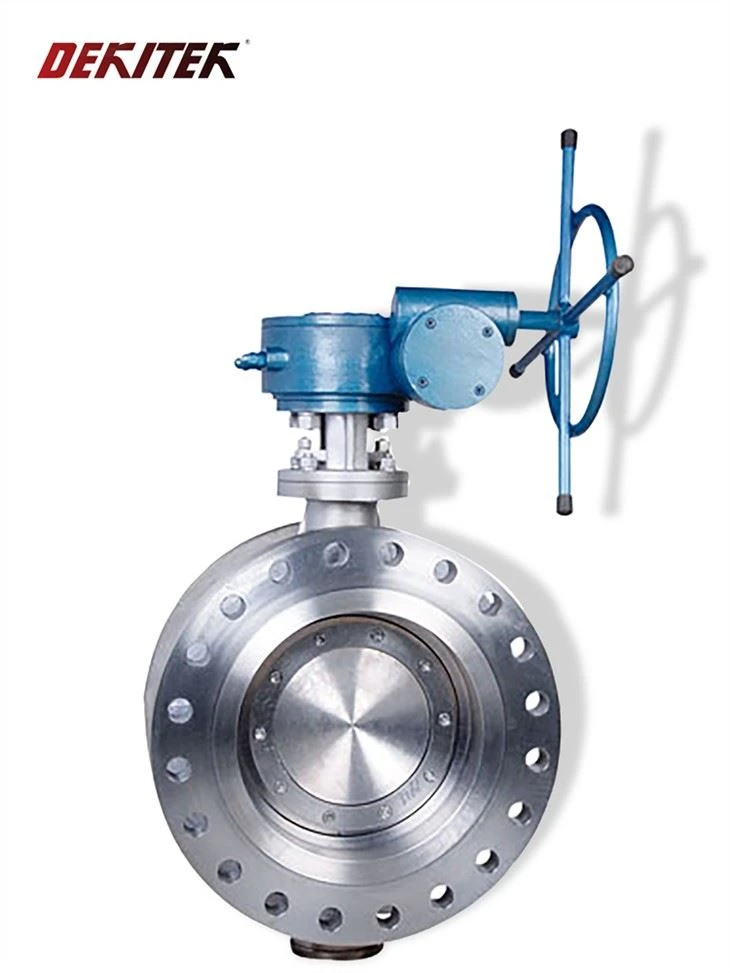
The Triple Offset Flange End Type Butterfly Valve also has some advantages. The flange - end connection provides a more secure and robust installation compared to some other types. This is important in high - pressure steam systems where leaks can be a major safety hazard.
The materials used in the valve's construction are also vital. In high - pressure steam applications, the valve needs to be made of materials that can withstand the high temperatures and pressures. For example, stainless steel is a popular choice because it has good corrosion resistance and can handle high temperatures. The valve's seals also need to be able to withstand the heat and pressure without deforming or leaking. The Flange End Metal Sealing Butterfly Valve uses metal seals, which are generally more durable and better suited for high - temperature and high - pressure steam applications compared to elastomeric seals.
Pressure and Temperature Ratings
Every valve comes with pressure and temperature ratings. These ratings indicate the maximum pressure and temperature that the valve can safely handle. When considering using a butterfly valve in a high - pressure steam system, it's essential to check these ratings. Make sure that the valve's pressure and temperature ratings are higher than the actual operating conditions of the steam system. If the ratings are too low, the valve may not be able to handle the pressure and temperature, which can lead to valve failure, leaks, or even dangerous situations.

System Requirements
The specific requirements of the high - pressure steam system also matter. Some systems may require a valve that can provide very precise flow control. In such cases, a butterfly valve may or may not be the best choice. While butterfly valves can offer good flow control in many situations, they may not be as precise as some other types of valves, like globe valves. However, in systems where on - off control or relatively coarse flow regulation is sufficient, a butterfly valve can work quite well.
Maintenance and Operational Considerations
Maintenance is another important aspect. High - pressure steam systems are demanding, and the valves in these systems need to be properly maintained to ensure their long - term performance. Butterfly valves are generally easier to maintain compared to some other types of valves because of their relatively simple design. However, in high - pressure steam systems, regular inspections are still necessary to check for wear, leaks, and proper operation.
The operational frequency of the valve also needs to be considered. If the valve needs to be opened and closed frequently, it's important to choose a valve that can handle the cyclic stress associated with repeated operation. Some butterfly valves are designed to withstand a large number of cycles, which is crucial in high - pressure steam systems that may require frequent valve adjustments.
Advantages of Using Butterfly Valves in High - Pressure Steam Systems
There are some clear advantages to using butterfly valves in high - pressure steam systems. Firstly, they're compact. In many industrial settings, space is at a premium, and the relatively small size of butterfly valves can be a big advantage. They also have a low pressure drop when fully open, which means that they don't cause a significant reduction in the steam's pressure as it flows through the valve. This can be important in systems where maintaining a certain pressure is crucial.
Secondly, butterfly valves are relatively inexpensive compared to some other types of valves that can be used in high - pressure steam systems. This can lead to cost savings in the initial installation and over the long term.
Disadvantages and Challenges
However, there are also some disadvantages and challenges. As mentioned earlier, their flow control may not be as precise as some other valves. In addition, the seals in butterfly valves can be a weak point in high - pressure steam applications. If the seals aren't properly chosen or maintained, they can leak, which can be a safety and efficiency issue.
In conclusion, a butterfly valve can be used in high - pressure steam systems, but it's not a one - size - fits - all solution. It's important to carefully consider the design, construction, pressure and temperature ratings, system requirements, and maintenance aspects. If you're looking for a reliable valve solution for your high - pressure steam system, our range of butterfly valves, including the Triple Offset Wafer Type Butterfly Valve, Triple Offset Flange End Type Butterfly Valve, and Flange End Metal Sealing Butterfly Valve, could be just what you need.
If you're interested in discussing your specific requirements further, don't hesitate to reach out. We'd be more than happy to help you figure out the best valve solution for your high - pressure steam system and guide you through the procurement process.
References:
- "Valve Handbook" by Milton Beychok.
- Technical guidelines from various valve manufacturing associations.