



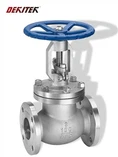

Hey there! As a supplier of Alloy Steel Pressure Seal Gate Valves, I've seen my fair share of valve - related issues, and one of the most common problems is leakage. In this blog, I'm gonna share some tips on how to prevent leakage in an Alloy Steel Pressure Seal Gate Valve.

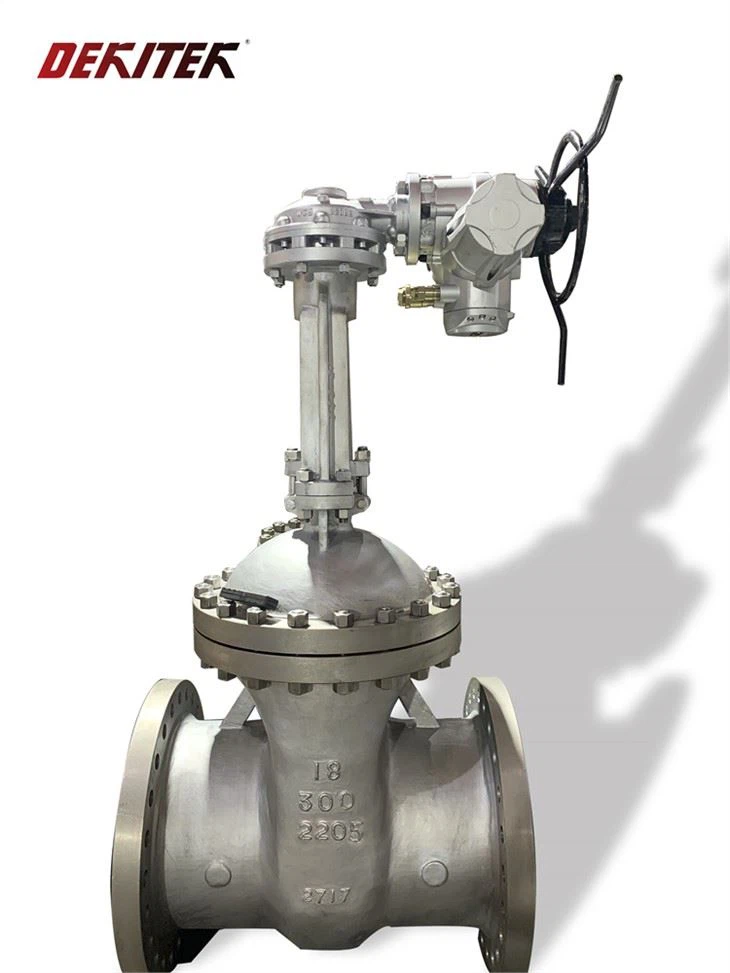
Understanding the Basics
First off, let's get a quick understanding of what an Alloy Steel Pressure Seal Gate Valve is. These valves are designed to handle high - pressure and high - temperature applications. They use a pressure - seal bonnet design, which means the higher the pressure, the tighter the seal. But even with this clever design, leakage can still occur.
Proper Installation
The installation process is crucial. If the valve isn't installed correctly, it's more likely to leak. Here are some key points to keep in mind:
- Alignment: Make sure the valve is properly aligned with the pipeline. Misalignment can cause uneven stress on the valve components, leading to leaks. Check the flanges or the welding joints to ensure they are in line.
- Torque: When tightening the bolts, use the correct torque values. Over - tightening can damage the gaskets or the valve body, while under - tightening won't create a proper seal. Refer to the manufacturer's guidelines for the recommended torque settings.
- Cleanliness: Before installation, clean the valve and the pipeline thoroughly. Any dirt, debris, or foreign particles can prevent a good seal. Wipe down the sealing surfaces and make sure they are free of scratches or nicks.
Regular Maintenance
Maintenance is the key to preventing leakage in the long run. Here's what you can do:
- Inspection: Regularly inspect the valve for signs of wear, corrosion, or damage. Check the sealing surfaces, the stem, and the bonnet. Look for any cracks, pitting, or deformation. If you notice any issues, address them immediately.
- Lubrication: Keep the moving parts of the valve well - lubricated. This includes the stem, the gland packing, and the gate. Use a lubricant that is compatible with the valve materials and the operating conditions. Lubrication reduces friction and wear, which can help prevent leaks.
- Gasket Replacement: Gaskets are a critical part of the valve's sealing system. Over time, they can wear out or become damaged. Replace the gaskets at regular intervals or when you notice signs of leakage. Make sure to use high - quality gaskets that are designed for the specific valve and application.
Quality of Materials
The quality of the materials used in the valve can have a big impact on its performance and leakage prevention. As a supplier, I always emphasize the importance of using high - quality alloy steel. Here's why:
- Corrosion Resistance: Alloy steel has excellent corrosion resistance, which is important in many applications. Corrosion can weaken the valve components and cause leaks. Choose an alloy steel that is suitable for the specific environment, such as a corrosion - resistant alloy for a chemical processing plant.
- Strength and Durability: High - quality alloy steel can withstand high pressures and temperatures without deforming or cracking. This ensures a reliable seal over a long period of time. Look for valves that are made from a well - known and trusted alloy steel grade.
Operator Training
Well - trained operators can also play a significant role in preventing leakage. Here's what they should know:
- Proper Operation: Teach the operators how to operate the valve correctly. This includes opening and closing the valve slowly and smoothly to avoid sudden pressure changes that can damage the seal. Make sure they understand the valve's operating limits and the correct procedures.
- Emergency Procedures: Train the operators on what to do in case of a leakage. They should know how to shut off the valve quickly and safely, and how to report the incident. Having a well - defined emergency plan can minimize the damage caused by a leak.
Using the Right Accessories
Sometimes, using the right accessories can help prevent leakage. For example:
- Stem Packing: High - quality stem packing can provide an additional seal around the stem. It helps prevent leakage along the stem and keeps the valve operating smoothly. Choose a stem packing material that is suitable for the operating conditions, such as graphite packing for high - temperature applications.
- Sealing Rings: Sealing rings can be used to enhance the seal between the valve components. They are available in different materials and designs, so choose the ones that are appropriate for your valve.
Compatibility with the Medium
The valve should be compatible with the medium it is handling. Different fluids and gases can have different properties that can affect the valve's performance. Here's what to consider:
- Chemical Compatibility: Make sure the valve materials are resistant to the chemicals in the medium. For example, if you are handling a corrosive acid, choose a valve made from a material that can withstand the acid's corrosive effects.
- Temperature and Pressure Ratings: The valve should be rated for the temperature and pressure of the medium. Using a valve with a lower rating can lead to leakage or even valve failure.
Monitoring and Testing
Regular monitoring and testing can help detect potential leakage problems before they become serious. Here are some methods:
- Pressure Testing: Periodically perform pressure tests on the valve to check for leaks. Use a pressure gauge to measure the pressure and look for any drops in pressure over time. If there is a significant pressure drop, it could indicate a leak.
- Visual Inspection: In addition to the regular inspections, perform visual inspections during operation. Look for any signs of leakage, such as dripping, spraying, or a hissing sound. If you notice any of these signs, stop the operation immediately and investigate the problem.
Conclusion
Preventing leakage in an Alloy Steel Pressure Seal Gate Valve requires a combination of proper installation, regular maintenance, high - quality materials, operator training, and the use of the right accessories. By following these tips, you can ensure that your valve operates safely and efficiently, and minimize the risk of leakage.
If you're in the market for a reliable Alloy Steel Pressure Seal Gate Valve or other related products like Duplex Stainless Steel Gate Valve or Duplex Stainless Steel Gate Valve or Stainless Steel Pressure Seal Gate Valve, feel free to reach out to us. We're here to help you find the best solutions for your needs. Contact us to start a procurement discussion and get the valves that meet your requirements.
References
- Valve Engineering Handbook
- Manufacturer's Installation and Maintenance Guides