



Slurry applications present a unique set of challenges for valve operation, and the cast steel globe valve is no exception. As a trusted supplier of Cast Steel Globe Valve, I've witnessed firsthand the hurdles that come with using these valves in slurry environments. In this blog, I'll share insights on how to overcome these challenges and ensure optimal performance.
Understanding the Challenges of Slurry Applications
Slurry is a mixture of solid particles suspended in a liquid, and its abrasive and erosive nature can cause significant damage to valves. When using a cast steel globe valve in a slurry application, several key challenges are likely to arise:
Abrasion and Erosion
The solid particles in the slurry can scrub against the valve components, leading to surface wear. Over time, this abrasion can reduce the thickness of the valve walls, degrade the sealing surfaces, and ultimately cause valve leakage. Erosion, on the other hand, is a more severe form of wear that occurs when the slurry flow creates turbulent patterns and dynamic forces, which result in the removal of material from the valve body and trim.
Corrosion
In addition to abrasion and erosion, slurry applications often involve corrosive fluids. The combination of chemicals in the liquid phase and the mechanical action of the solid particles can accelerate the corrosion process. Corrosion can compromise the structural integrity of the cast steel globe valve, leading to pitting, cracking, and eventual failure.
Clogging
The presence of large or irregularly shaped solid particles in the slurry can cause clogging within the valve. When particles accumulate in the valve seat or flow passages, they can impede the flow of the slurry, reduce the valve's flow capacity, and cause operational inefficiencies. In severe cases, clogging can lead to complete valve blockage, resulting in system downtime.
Cavitation
Cavitation is a phenomenon that occurs when the pressure of the flowing slurry drops below the vapor pressure of the liquid, causing vapor bubbles to form. As these bubbles collapse, they generate high-energy shockwaves that can damage the valve internals. The impact of cavitation on a cast steel globe valve can manifest as erosion, noise, and vibration.
Overcoming the Challenges
Material Selection
Selecting the right materials for the cast steel globe valve is crucial for withstanding the harsh conditions of slurry applications. For instance, using high-chromium or Alloy Steel Globe Valve can enhance the valve's resistance to abrasion and corrosion. These alloys typically contain elements such as chromium, nickel, and molybdenum, which form a protective oxide layer on the valve surface, preventing further degradation.
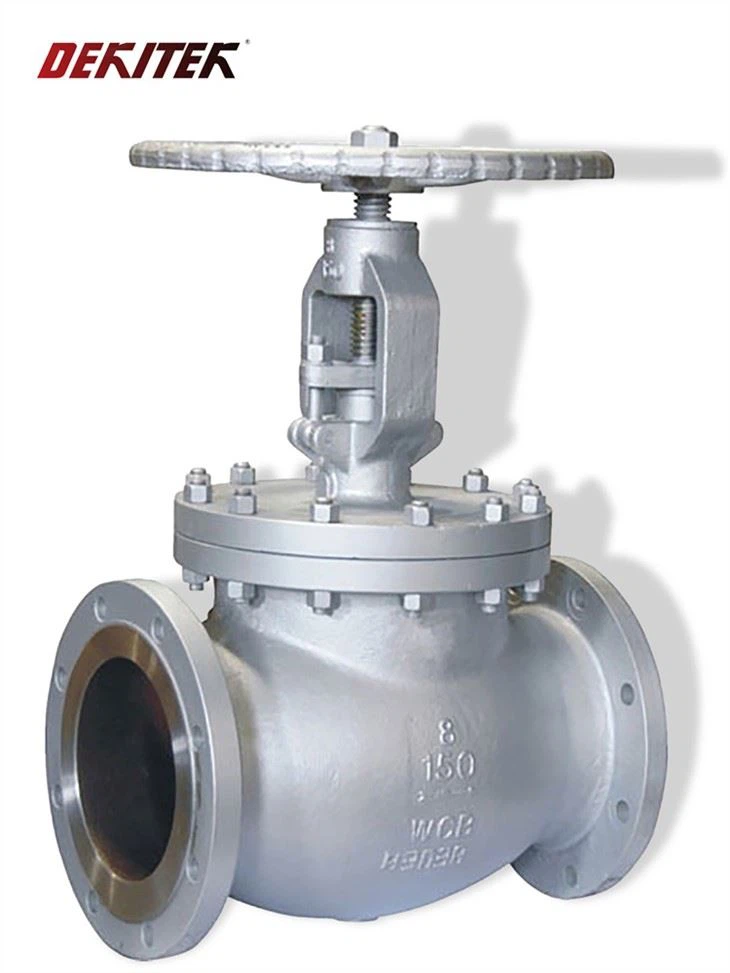

In addition to the valve body material, the selection of the valve trim is equally important. Hard-facing materials, such as tungsten carbide or stellite, can be applied to the valve seat and disk to improve their wear resistance. These materials have high hardness and toughness, making them suitable for withstanding the abrasive action of the slurry.
Design Optimization
Optimizing the design of the cast steel globe valve can help mitigate the challenges of slurry applications. One approach is to use a full-bore design, which provides a straight-through flow path and minimizes the chances of particle accumulation and clogging. A full-bore valve also reduces the pressure drop across the valve, improving system efficiency.
Another design consideration is the shape of the valve internals. Using streamlined shapes for the valve seat and disk can reduce turbulence and minimize the risk of cavitation. Additionally, incorporating features such as anti-cavitation trim or noise-reducing devices can help dampen the effects of cavitation and vibration.
Maintenance and Monitoring
Regular maintenance and monitoring are essential for ensuring the long-term performance of a cast steel globe valve in a slurry application. Establishing a preventive maintenance schedule that includes tasks such as inspection, cleaning, and lubrication can help identify and address potential issues before they escalate.
Monitoring the valve's performance parameters, such as pressure, temperature, and flow rate, can also provide valuable insights into its condition. By analyzing these data, operators can detect early signs of wear, erosion, or clogging and take appropriate action to prevent valve failure.
System Integration
Integrating the cast steel globe valve into the overall slurry system design is crucial for optimizing its performance. This involves considering factors such as the slurry characteristics, flow rate, and pressure requirements. Proper system design can help minimize the impact of the slurry on the valve and ensure smooth and efficient operation.
For example, installing a pre-filter or a cyclone separator upstream of the valve can remove large particles from the slurry, reducing the likelihood of clogging. Additionally, controlling the flow velocity and pressure within the system can help prevent cavitation and erosion.
Conclusion
Using a cast steel globe valve in a slurry application can be challenging, but with the right strategies, these challenges can be overcome. By selecting the appropriate materials, optimizing the valve design, implementing a comprehensive maintenance and monitoring program, and integrating the valve into the overall system, operators can ensure the reliable and efficient operation of their slurry systems.
As a leading supplier of Cast Steel Globe Valve and Alloy Steel Globe Valve, we are committed to providing high-quality valves and technical support to help our customers meet the demands of their slurry applications. If you're facing challenges with your slurry valve system or are interested in learning more about our products, we invite you to contact us for a consultation. Our team of experts is ready to assist you in finding the best solutions for your specific needs.
References
- Valve Handbook, 4th Edition, by Robert W. Ludwig.
- Handbook of Valves: Selection, Operation, and Maintenance, by Rakesh Kumar.
- ASME Boiler and Pressure Vessel Code, Section VIII, Division 1.