


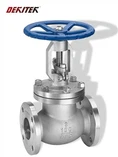

Hey there! As a supplier of Alloy Steel Pressure Seal Gate Valve, I've had my fair share of experiences tinkering with and optimizing valve designs. One crucial part that always needs some extra attention is the valve stem. In this blog, I'll share some tips on how to optimize the valve stem design of an Alloy Steel Pressure Seal Gate Valve.
Understanding the Basics
First things first, we gotta understand why the valve stem is so important. The valve stem is like the heart of the valve. It's responsible for transmitting the force from the actuator to the gate, allowing the valve to open and close. A well - designed valve stem ensures smooth operation, long - term durability, and leak - free performance.
When it comes to alloy steel pressure seal gate valves, the valve stem has to withstand high pressure, high temperature, and corrosive environments. So, the optimization process is all about finding the right balance between strength, corrosion resistance, and cost - effectiveness.
Material Selection
The choice of material for the valve stem is critical. Alloy steel is already a great option because of its high strength and good corrosion resistance. But depending on the specific application, we might need to select a particular grade of alloy steel.
For instance, in applications where the valve is exposed to extremely corrosive substances, we might consider using a Duplex Stainless Steel Pressure Seal Gate Valve. The duplex stainless steel has a two - phase microstructure that offers excellent corrosion resistance in chloride - containing environments. It also has high strength, which is great for the valve stem as it has to handle a lot of stress during operation.
However, if cost is a major concern and the corrosion level is not too high, we can opt for a more common grade of alloy steel. The key is to work closely with material suppliers to understand the properties of different alloys and how they will perform in the given application.
Design Dimensions
The dimensions of the valve stem also play a huge role in its performance. The diameter of the valve stem needs to be carefully calculated. If the diameter is too small, the stem might not be strong enough to handle the force required to open and close the valve. On the other hand, if the diameter is too large, it can increase the overall size and weight of the valve, which might not be practical for some applications.
The length of the valve stem is another important factor. It should be long enough to ensure that the gate can fully open and close, but not so long that it becomes a source of instability. In some cases, a longer stem might also require additional support to prevent bending or vibration during operation.
We also need to pay attention to the thread design on the valve stem. The threads are used to connect the stem to the actuator and the gate. A well - designed thread should have a proper pitch and depth to ensure a secure connection and smooth movement.
Surface Treatment
Surface treatment is an often - overlooked aspect of valve stem optimization. A good surface treatment can significantly improve the corrosion resistance and wear resistance of the valve stem.
One common surface treatment is nitriding. Nitriding involves introducing nitrogen into the surface of the alloy steel, creating a hard and wear - resistant layer. This layer can protect the valve stem from corrosion and reduce friction during operation.
Another option is coating the valve stem with a corrosion - resistant material. For example, a ceramic coating can provide excellent protection against high - temperature corrosion and abrasion. The choice of surface treatment depends on the specific requirements of the application, such as the type of fluid flowing through the valve, the temperature, and the pressure.
Actuator Compatibility
The valve stem needs to be compatible with the actuator. There are different types of actuators available, such as manual, electric, and pneumatic. In my experience, Electric Actuator Gate Valve is becoming more and more popular due to its convenience and accuracy.
When designing the valve stem, we need to ensure that it can connect seamlessly to the actuator. The connection method should be strong enough to transmit the force from the actuator to the valve stem without any loss. The stem should also be able to rotate or move linearly depending on the type of actuator used.
For example, if an electric actuator is used, the valve stem might need to have a specific thread or keyway to connect to the actuator's output shaft. We also need to consider the torque requirements of the actuator and make sure that the valve stem can handle the torque without any deformation or failure.


Testing and Validation
Once the valve stem design is finalized, it's crucial to test and validate it. We can use a combination of theoretical analysis and physical testing.
Theoretical analysis involves using software to simulate the stress and strain on the valve stem under different operating conditions. This can help us identify potential weak points in the design and make necessary adjustments before manufacturing the actual valve stem.
Physical testing is equally important. We can subject the valve stem to a series of tests, such as pressure testing, temperature cycling testing, and corrosion testing. These tests can give us a real - world understanding of how the valve stem will perform in actual applications.
If any issues are detected during the testing phase, we need to go back to the drawing board and make the necessary changes. This iterative process of design, testing, and improvement is essential to ensure that the final valve stem design is optimized for performance and reliability.
Conclusion
Optimizing the valve stem design of an Alloy Steel Pressure Seal Gate Valve is a complex but rewarding process. By carefully selecting the material, designing the right dimensions, applying appropriate surface treatment, ensuring actuator compatibility, and conducting thorough testing, we can create a valve stem that offers excellent performance, durability, and value for our customers.
If you're in the market for Alloy Steel Pressure Seal Gate Valve or have any questions about valve stem design optimization, don't hesitate to reach out. We're here to help you find the best solutions for your specific needs. Let's have a chat and discuss how we can work together to meet your requirements.
References
- Valve Handbook: The Standard Guide to Valves and Their Applications
- Corrosion Resistance of Alloys in Industrial Environments
- Actuator Technology and Its Application in Valve Systems