



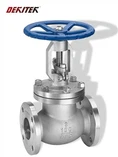

Hey there! As a supplier of API6D Flange End Swing Type Check Valve, I've had my fair share of experiences dealing with the challenges and improvements related to these valves. In this blog, I'm gonna share some tips on how to enhance the backflow prevention ability of API6D Flange End Swing Type Check Valve.
First off, let's understand what an API6D Flange End Swing Type Check Valve is. This type of valve is widely used in various industries, especially in the oil and gas sector. It's designed to allow fluid to flow in one direction and prevent backflow. You can check out more details about it API6D Flange End Swing Type Check Valve.
Material Selection
One of the key factors that can significantly impact the backflow prevention ability of the valve is the material. The valve body, disc, and seat materials need to be carefully chosen. For the valve body, high - quality carbon steel or stainless steel is often a great choice. Carbon steel offers good strength and durability at a relatively low cost, while stainless steel provides excellent corrosion resistance, which is crucial in harsh environments.
The disc material should be able to withstand the impact of the fluid flow and the pressure changes. For example, some high - performance alloys can be used to make the disc more resistant to wear and deformation. The seat material, on the other hand, needs to have a good sealing property. Soft seats made of materials like rubber or PTFE can provide a tight seal, but they may not be suitable for high - temperature or high - pressure applications. In such cases, metal - to - metal seats are a better option.
Design Optimization
The design of the API6D Flange End Swing Type Check Valve also plays a vital role in backflow prevention. The shape and size of the disc can affect how quickly it closes when the fluid flow reverses. A well - designed disc should have a proper weight and balance, so that it can respond rapidly to the change in flow direction.


The hinge mechanism of the swing - type check valve is another important aspect. It should be smooth and reliable to ensure that the disc can swing freely. If the hinge is too tight or has a lot of friction, the disc may not close properly, leading to backflow. Regular maintenance of the hinge, such as lubrication, can help keep it in good working condition.
Moreover, the internal flow path of the valve should be designed to minimize turbulence. Turbulence can cause the disc to vibrate, which may prevent it from forming a tight seal. A streamlined design can reduce the chances of backflow by allowing the fluid to flow more smoothly through the valve.
Installation and Maintenance
Proper installation is essential for the valve to function correctly. The valve should be installed in the correct orientation, with the arrow on the valve body indicating the direction of the normal fluid flow. If the valve is installed backwards, it will not be able to prevent backflow at all.
During installation, make sure that the flanges are properly aligned and tightened. Loose flanges can cause leaks, which can also lead to backflow. Use the appropriate gaskets to ensure a tight seal between the valve and the pipeline.
Regular maintenance is also crucial for enhancing the backflow prevention ability of the valve. Inspect the valve regularly for signs of wear, corrosion, or damage. Replace any worn - out parts, such as the disc, seat, or gaskets, in a timely manner. Clean the valve periodically to remove any debris or sediment that may accumulate inside, as these can affect the valve's performance.
Comparison with API 6D BW Check Valve
You might be wondering how the API6D Flange End Swing Type Check Valve compares with the API 6D BW Check Valve. The API 6D BW Check Valve, which has a butt - weld end connection, is often used in applications where a more permanent and leak - tight connection is required.
While the basic function of both valves is to prevent backflow, the installation and maintenance requirements can be different. The API6D Flange End Swing Type Check Valve is easier to install and remove, which makes it more suitable for applications where the valve may need to be replaced or serviced frequently. On the other hand, the API 6D BW Check Valve provides a stronger and more reliable connection, which is ideal for high - pressure and high - temperature applications.
Testing and Certification
To ensure that the API6D Flange End Swing Type Check Valve has a good backflow prevention ability, it's important to conduct proper testing. The valve should be tested according to relevant standards, such as API 6D. These tests typically include pressure tests, leakage tests, and flow tests.
Certification from a recognized organization can also give you more confidence in the valve's performance. A certified valve has been tested and verified to meet the required standards, which means it's more likely to prevent backflow effectively.
Conclusion
Enhancing the backflow prevention ability of API6D Flange End Swing Type Check Valve requires a combination of proper material selection, design optimization, correct installation, regular maintenance, and thorough testing. By paying attention to these aspects, you can ensure that the valve works efficiently and reliably in preventing backflow.
If you're in the market for API6D Flange End Swing Type Check Valve or have any questions about enhancing their backflow prevention ability, feel free to reach out for a procurement discussion. We're here to help you find the best solutions for your specific needs.
References
- API Standard 6D: Specification for Pipeline Valves.
- Various industry research papers on check valve design and performance.