


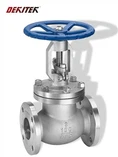

Hey there! As a gate valve supplier, I often get asked about how to install a gate valve actuator. It's a crucial step that can significantly impact the performance and longevity of your gate valve system. In this blog, I'll walk you through the process step by step.
First off, let's talk a bit about gate valves. We offer a wide range of gate valves, including Duplex Stainless Steel Pressure Seal Gate Valve, Cast Steel Pressure Seal Gate Valve, and Stainless Steel Pressure Seal Gate Valve. These valves are known for their durability and reliability, and when paired with the right actuator, they can provide excellent control over fluid flow in various applications.
Step 1: Gather Your Tools and Materials
Before you start the installation, make sure you have all the necessary tools and materials. You'll typically need a wrench set, a screwdriver, a torque wrench (this is important for tightening bolts to the correct specification), and of course, the gate valve actuator itself. Also, have some thread sealant on hand to prevent leaks.
Step 2: Prepare the Valve
The first thing you need to do is prepare the gate valve for the actuator installation. Start by cleaning the valve stem and the mounting surface. Any dirt, debris, or rust can interfere with the proper installation and operation of the actuator. Use a wire brush or a clean cloth to remove any contaminants.
Next, check the valve stem for any damage or wear. If the stem is bent or has excessive wear, it may need to be replaced before installing the actuator. A damaged stem can cause the actuator to malfunction or not operate smoothly.
Step 3: Mount the Actuator
Now it's time to mount the actuator onto the gate valve. Most actuators come with a mounting bracket that needs to be attached to the valve body. Align the bracket with the mounting holes on the valve and insert the bolts. Use the torque wrench to tighten the bolts to the manufacturer's recommended torque specification. This is crucial to ensure a secure and stable connection between the actuator and the valve.
Once the bracket is securely attached, carefully lift the actuator and place it onto the bracket. Make sure the actuator is properly aligned with the valve stem. There should be a coupling or a connection mechanism that allows the actuator to engage with the valve stem. Follow the manufacturer's instructions to connect the actuator to the stem. This may involve sliding the coupling over the stem and tightening a set screw or using a more complex connection method.
Step 4: Connect the Wiring (if applicable)
If your gate valve actuator is electrically operated, you'll need to connect the wiring. This is a critical step, so make sure you follow the wiring diagram provided by the manufacturer. First, turn off the power supply to avoid any electrical hazards. Then, carefully connect the wires to the appropriate terminals on the actuator. Use wire connectors or soldering (if recommended) to ensure a secure connection.
After connecting the wires, double - check all the connections to make sure they are tight and there are no loose wires. Once you're satisfied with the wiring, turn the power supply back on and test the actuator to make sure it's receiving power and operating correctly.
Step 5: Test the Actuator
Before putting the gate valve system back into service, it's essential to test the actuator. Use the control system (if available) to open and close the valve several times. Observe the operation of the actuator closely. It should open and close the valve smoothly and without any excessive noise or vibration.
Check for any leaks around the valve and the actuator connections. If you notice any leaks, tighten the connections or apply more thread sealant as needed. Also, make sure the valve is fully opening and closing. If the valve doesn't open or close completely, there may be an issue with the actuator adjustment or the valve itself.
Step 6: Make Adjustments
If the actuator isn't operating correctly, you may need to make some adjustments. This could involve adjusting the travel limits of the actuator. Most actuators have adjustable limit switches that determine how far the valve can open and close. Use the manufacturer's instructions to adjust these limit switches until the valve opens and closes to the desired position.
You may also need to adjust the torque settings of the actuator. The torque setting determines how much force the actuator applies to the valve stem. If the torque is too low, the valve may not open or close properly. If it's too high, it can damage the valve or the actuator.
Step 7: Final Checks
Once you've made all the necessary adjustments and the actuator is operating correctly, do a final check of the entire installation. Inspect all the connections, bolts, and wiring again to make sure everything is secure. Check for any signs of wear or damage that may have occurred during the installation process.


Also, review the operation of the actuator one more time. Make sure it's opening and closing the valve smoothly and reliably. If everything looks good, your gate valve actuator installation is complete!
Tips and Tricks
- Always follow the manufacturer's instructions. Each actuator may have specific installation and operating requirements, so it's important to read the manual carefully.
- Keep a record of the installation process, including the torque settings, wiring connections, and any adjustments you made. This can be helpful for future maintenance and troubleshooting.
- If you're not confident in your ability to install the actuator, consider hiring a professional. A professional installer has the experience and knowledge to ensure a proper installation.
In conclusion, installing a gate valve actuator is a process that requires attention to detail and following the right steps. By following the steps outlined in this blog, you can install the actuator correctly and ensure the optimal performance of your gate valve system.
If you're in the market for high - quality gate valves or need more information about gate valve actuators, we're here to help. Whether you're looking for a Duplex Stainless Steel Pressure Seal Gate Valve, a Cast Steel Pressure Seal Gate Valve, or a Stainless Steel Pressure Seal Gate Valve, we have a wide selection to meet your needs. Reach out to us to start a procurement discussion and find the best solution for your application.
References
- Manufacturer's installation manuals for gate valve actuators
- Industry standards for valve installation and maintenance