


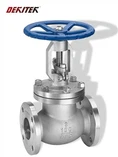

Choosing the right size of a carbon steel flexible wedge gate valve for a specific application can be a bit of a head - scratcher, but don't worry! As a carbon steel flexible wedge gate valve supplier, I've dealt with all sorts of scenarios, and I'm here to break it down for you.
Understanding the Basics of Carbon Steel Flexible Wedge Gate Valves
First off, let's quickly go over what a carbon steel flexible wedge gate valve is. These valves are made from carbon steel, which is known for its strength and durability. The "flexible wedge" part means that the gate inside the valve can flex a bit. This flexibility helps the valve to form a tight seal, even when there are minor irregularities in the valve seat. They're commonly used in various industries like oil and gas, water treatment, and power generation.
Factors to Consider When Choosing the Size
Flow Rate
One of the most important things to think about is the flow rate of the fluid in your system. Flow rate is basically how much fluid passes through a certain point in a given amount of time. If you choose a valve that's too small, it can restrict the flow of the fluid. This not only reduces the efficiency of your system but can also cause increased pressure, which might lead to damage over time. On the other hand, if the valve is too large, it can be more expensive and may not operate as effectively.


To figure out the right flow rate for your application, you need to know the volume of fluid that needs to be moved and the time frame in which it needs to be moved. You can use flow meters in your existing system to measure this. Once you have the flow rate, you can refer to valve sizing charts provided by manufacturers. These charts usually show the recommended valve sizes based on different flow rates.
Pressure
Pressure is another crucial factor. The pressure in your system can vary depending on a lot of things, like the type of fluid, the height of the fluid column, and the speed of the fluid flow. A valve needs to be able to handle the pressure in your system without leaking or getting damaged.
Carbon steel flexible wedge gate valves are designed to handle different pressure ratings. You need to know the maximum pressure that your system will experience. This is often referred to as the "design pressure." Make sure to choose a valve with a pressure rating that's equal to or higher than your system's design pressure. For example, if your system has a design pressure of 100 psi, you should choose a valve with a pressure rating of at least 100 psi, preferably a bit higher to account for any sudden pressure spikes.
Pipe Size
The size of the pipes in your system also plays a big role in valve sizing. In most cases, it's a good idea to choose a valve with the same nominal size as your pipes. This ensures a proper fit and smooth flow of the fluid. However, there are situations where you might need to use a different size valve. For example, if you're trying to control the flow more precisely, you might choose a valve that's slightly smaller than the pipe size. But this requires careful consideration and may need some adjustments in your system.
Temperature
The temperature of the fluid in your system can affect the performance of the valve. Carbon steel has certain temperature limitations. If the fluid is too hot or too cold, it can cause the valve to expand or contract, which might affect the seal and the overall operation of the valve.
You need to know the maximum and minimum temperatures that the valve will be exposed to. Some valves are designed to handle extreme temperatures better than others. Make sure to choose a valve that's rated for the temperature range in your system.
Other Considerations
Fluid Type
The type of fluid that will pass through the valve is important. Different fluids have different properties, such as viscosity, corrosiveness, and abrasiveness. For example, if you're dealing with a corrosive fluid like acid, you need to choose a valve with a suitable coating or lining to prevent corrosion.
If the fluid is abrasive, like a slurry, the valve needs to be made of a material that can withstand the wear and tear. Carbon steel is a good choice for many applications, but for more demanding fluids, you might need to consider other options like Alloy Steel Pressure Seal Gate Valve.
Operation
How the valve will be operated is also a factor. Some valves are operated manually, while others can be automated. If you need to operate the valve frequently or in a remote location, an automated valve like a Pneumatic Actuator Gate Valve might be a better choice.
Valve Sizing Process
Now that you know the factors to consider, here's a general process for choosing the right valve size:
- Gather Information: Collect all the data about your system, including flow rate, pressure, pipe size, temperature, and fluid type.
- Refer to Sizing Charts: Use the sizing charts provided by valve manufacturers. These charts are based on extensive testing and engineering calculations.
- Consult with Experts: If you're still unsure, don't hesitate to consult with valve experts or the technical support team of your valve supplier. We have a lot of experience and can help you make the right decision.
- Consider Future Expansion: Think about whether your system might need to be expanded in the future. If so, you might want to choose a valve that can handle a slightly higher flow rate or pressure than your current needs.
Conclusion
Choosing the right size of a carbon steel flexible wedge gate valve for your specific application is all about understanding your system's requirements. By considering factors like flow rate, pressure, pipe size, temperature, and fluid type, you can make an informed decision.
If you're still not sure which valve is right for you, or if you have any questions about our Cast Steel Pressure Seal Gate Valve or other products, feel free to reach out. We're here to help you find the perfect valve for your needs. Whether you're just starting a new project or looking to upgrade your existing system, we can provide the right solutions. Contact us today to start the procurement process and get the best valve for your application.
References
- Valve Handbook, various editions
- Manufacturer's technical documentation on carbon steel flexible wedge gate valves
- Industry standards and guidelines related to valve sizing and selection