


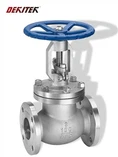

Hey there! As a globe valve supplier, I've been getting a lot of questions lately about how these valves perform in pulsating flow systems. So, I thought I'd take a deep dive into this topic and share my insights with you all.
First off, let's talk a bit about what a globe valve is. A globe valve is a type of valve used for regulating flow in a pipeline. It has a spherical body with an internal baffle that divides the body into two halves. The valve disc moves perpendicular to the seat, which allows for precise control of the flow.
Now, when it comes to pulsating flow systems, things can get a bit tricky. Pulsating flow is characterized by rapid and repeated changes in flow rate and pressure. This can be caused by various factors such as pumps, compressors, or reciprocating engines. So, how does a globe valve hold up in such a challenging environment?
Flow Control in Pulsating Systems
One of the key advantages of a globe valve in a pulsating flow system is its ability to provide accurate flow control. The linear motion of the valve disc allows for fine - tuning of the flow rate. In a pulsating system, where the flow is constantly changing, this precise control can be crucial. For example, if you're dealing with a system where the flow rate varies between 100 liters per minute and 200 liters per minute in a pulsating manner, a globe valve can be adjusted to maintain an average flow rate or to respond to the peaks and valleys of the pulsation.
However, the pulsating flow can also pose some challenges. The rapid changes in pressure can cause the valve disc to vibrate. This vibration can lead to premature wear and tear of the valve components. Over time, the seat and the disc may start to show signs of damage, which can affect the valve's performance and its ability to provide a tight shut - off.
Pressure Resistance
Globe valves are generally designed to handle high pressures. In a pulsating flow system, the pressure can spike suddenly, and the valve needs to be able to withstand these pressure surges. Our Stainless Steel Globe Valve is a great option in this regard. Stainless steel is known for its high strength and corrosion resistance. It can handle the pressure fluctuations in a pulsating system without deforming or cracking.
The Alloy Steel Globe Valve is another excellent choice. Alloy steel offers enhanced mechanical properties, making it suitable for applications where the pressure surges are particularly severe. These valves are designed to have a high pressure - containing capacity, which is essential in a pulsating flow environment.
Cavitation and Erosion
Cavitation is a common problem in pulsating flow systems. When the pressure drops below the vapor pressure of the fluid, vapor bubbles form. These bubbles then collapse when the pressure increases again, causing a shock wave that can erode the valve components. Globe valves are susceptible to cavitation, especially at the seat and the disc.
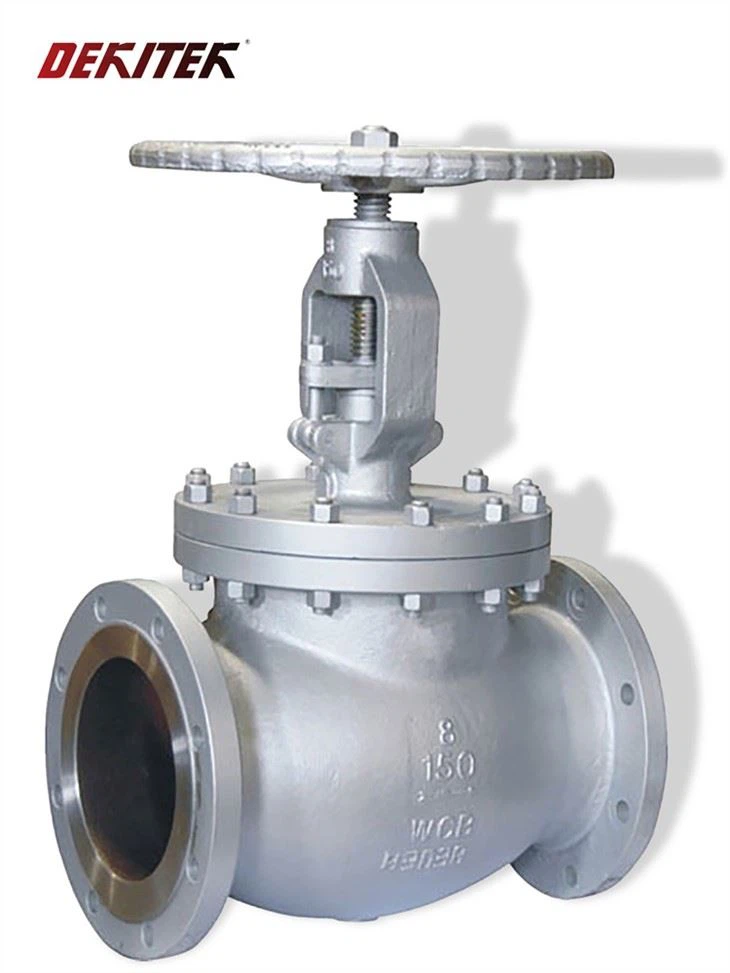

To mitigate the effects of cavitation, we've designed our Cast Steel Globe Valve with special features. The internal geometry of the valve is optimized to reduce the formation of low - pressure zones where cavitation is likely to occur. Additionally, the cast steel material has good resistance to erosion, which helps to extend the valve's lifespan in a pulsating flow system.
Noise and Vibration
As mentioned earlier, the pulsating flow can cause the valve to vibrate, and this vibration can generate noise. Excessive noise can be a nuisance in industrial settings and can also indicate a problem with the valve's performance. To reduce noise and vibration, we've incorporated damping features in our globe valves. These features absorb the energy from the pulsating flow and minimize the vibration of the valve components.
Installation and Maintenance
Proper installation is crucial for the performance of a globe valve in a pulsating flow system. The valve should be installed in the correct orientation, and the piping should be properly supported to prevent excessive movement. Regular maintenance is also essential. Inspecting the valve components for wear and tear, lubricating the moving parts, and replacing any damaged parts in a timely manner can significantly improve the valve's performance and lifespan.
Conclusion
In conclusion, a globe valve can perform well in a pulsating flow system, but it requires careful consideration of various factors. Its ability to provide precise flow control is a major advantage, but the challenges of pressure surges, cavitation, noise, and vibration need to be addressed.
We offer a wide range of globe valves, including Stainless Steel Globe Valve, Alloy Steel Globe Valve, and Cast Steel Globe Valve, that are designed to meet the demands of pulsating flow systems. If you're looking for a reliable globe valve for your pulsating flow application, don't hesitate to get in touch with us. We can help you select the right valve for your specific needs and provide you with all the support you need for installation and maintenance.
References
- "Valve Handbook" by J. S. Lean
- "Flow Control in Pulsating Systems" - Industrial Flow Journal
- Manufacturer's technical documentation on globe valves