



Hey there! As a supplier of Forged Floating Soft Seated Ball Valves, I've seen firsthand how crucial it is to ensure proper alignment during installation. A misaligned valve can lead to all sorts of problems, like leaks, reduced performance, and even premature failure. So, in this blog post, I'm gonna share some tips on how to check the alignment of a forged floating soft seated ball valve during installation.
Why Alignment Matters
Before we dive into the checking process, let's quickly talk about why alignment is so important. A well - aligned ball valve ensures a tight seal between the ball and the seats. This is essential for preventing leaks, whether it's a gas or a liquid flowing through the pipeline. Moreover, proper alignment helps the valve operate smoothly. If the valve is misaligned, it might require more force to open and close, which can cause wear and tear on the internal components.
Tools You'll Need
First things first, you'll need a few tools to check the alignment. Here's a basic list:
- A straightedge: This is used to check the straightness of the valve and the pipeline flanges. You can get a simple metal or plastic straightedge from any hardware store.
- A feeler gauge: It helps you measure the gap between the flanges. Feeler gauges come in different thicknesses, so you can choose the right one depending on your needs.
- A level: To ensure that the valve is installed horizontally or vertically as required. A small spirit level will do the job.
Step - by - Step Alignment Check
1. Visual Inspection
Start with a visual inspection of the valve and the pipeline. Look for any obvious signs of damage or misalignment, like bent flanges or scratches on the valve body. Make sure that the valve is the right size and type for the pipeline. Check the orientation of the valve; the flow arrow on the valve body should match the direction of the flow in the pipeline.

2. Check the Flange Alignment
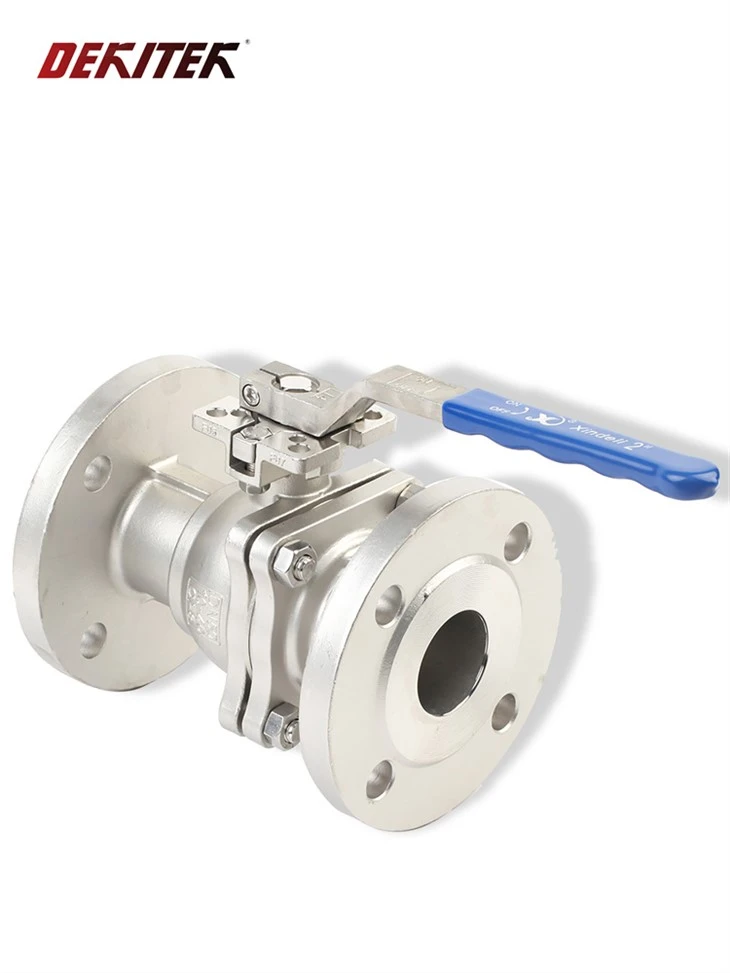
The flanges are where the valve connects to the pipeline, so proper flange alignment is crucial. Place the straightedge across the mating flanges. Check if there are any gaps between the straightedge and the flanges. If there are gaps, it means the flanges are misaligned.
Use the feeler gauge to measure the gap. The gap should be within the manufacturer's specified tolerance. If the gap is too large, you might need to adjust the pipeline or the valve. Sometimes, you can use shims to correct minor misalignments.
3. Check the Valve Body Alignment
Next, check the alignment of the valve body itself. If the valve is supposed to be installed horizontally, use the level to make sure it's perfectly flat. If it's a vertical installation, ensure that the valve is plumb.
A misaligned valve body can cause uneven stress on the seats and the ball, leading to leaks and reduced performance. If you find that the valve body is misaligned, you may need to loosen the bolts and re - position the valve.
4. Check the Ball and Seat Alignment
This is a bit more tricky. You can't directly see the alignment of the ball and the seats inside the valve. However, you can perform a simple test. Slowly open and close the valve. If the valve operates smoothly without any excessive force or binding, it's a good sign that the ball and seats are properly aligned.
If you feel any resistance or hear strange noises during operation, it could indicate a misalignment. In this case, you may need to disassemble the valve and check the internal components for damage or misalignment.
Common Alignment Issues and Solutions
- Flange Bolt Tightening: Uneven bolt tightening can cause flange misalignment. Make sure to tighten the bolts in a criss - cross pattern, gradually increasing the torque. This helps distribute the force evenly across the flange.
- Pipeline Movement: Sometimes, the pipeline can move due to thermal expansion or vibration. To prevent this from affecting the valve alignment, use proper supports and anchors for the pipeline.
- Installation Errors: Incorrect installation, like using the wrong gaskets or not following the installation instructions, can also lead to alignment problems. Always read and follow the manufacturer's installation guide carefully.
Related Products
If you're interested in other types of ball valves, we also offer Forged Floating Metal Seated Ball Valve, Fully Welded Ball Valve, and Cast Steel Metal Seated Floating Ball Valve. These valves have their own unique features and applications, and proper alignment during installation is equally important for them.
Conclusion
Checking the alignment of a forged floating soft seated ball valve during installation is a critical step that shouldn't be overlooked. By following the steps and using the right tools, you can ensure that your valve operates efficiently and has a long service life.
If you're in the market for high - quality Forged Floating Soft Seated Ball Valves or have any questions about valve installation and alignment, don't hesitate to reach out. We're here to help you make the right choice for your pipeline system.
References
- Valve Installation and Maintenance Manuals
- Industry Standards for Valve Installation