



Hey there! As a globe valve supplier, I often get asked about how the back-seating works in a globe valve. So, I thought I'd take a moment to break it down for you in a way that's easy to understand.
First off, let's talk about what a globe valve is. It's a type of valve that's commonly used in a variety of industries, including oil and gas, power generation, and water treatment. The main function of a globe valve is to control the flow of fluid through a pipeline. It does this by using a movable disk-type element that's perpendicular to the flow path. When the valve is open, the disk is lifted off the seat, allowing fluid to flow through. When the valve is closed, the disk is pressed against the seat, blocking the flow.
Now, let's get into the back-seating mechanism. Back-seating is a feature that's built into many globe valves, and it serves an important purpose. When the valve stem is fully opened, the back-seating comes into play. Essentially, the stem is designed in such a way that when it's fully retracted, it creates a seal between the stem and the bonnet. This seal prevents any fluid from leaking out along the stem, even if the valve is fully open.
Why is this important? Well, in many industrial applications, the fluid flowing through the pipeline can be hazardous or corrosive. If there's a leak along the stem, it can pose a safety risk to workers and cause damage to the surrounding environment. The back-seating feature helps to prevent these types of leaks, providing an extra layer of protection.
Let's take a closer look at how the back-seating actually works. Inside the globe valve, there's a back-seat surface on the stem and a corresponding surface on the bonnet. When the stem is fully opened, these two surfaces come into contact with each other, creating a tight seal. The design of these surfaces is crucial to ensure a proper seal. They're usually machined to very precise tolerances to make sure that there's no gap between them.
There are a few different factors that can affect the performance of the back-seating. One of the most important is the material of the back-seat surfaces. They need to be made of a material that's resistant to wear and corrosion. For example, in some applications, Alloy Steel Globe Valve are used because alloy steel has good mechanical properties and can withstand high pressures and temperatures.
Another factor is the condition of the back-seat surfaces. Over time, these surfaces can become worn or damaged due to the constant movement of the stem. This can lead to a loss of the seal and potential leaks. Regular maintenance and inspection are essential to ensure that the back-seat surfaces are in good condition. If any damage is detected, the surfaces may need to be repaired or replaced.
Now, let's talk about the different types of globe valves and how their back-seating mechanisms may vary. There are several types of globe valves, including Stainless Steel Globe Valve and Duplex Steel Globe Valve. Each type has its own unique characteristics and may have a slightly different back-seating design.
Stainless steel globe valves are popular because they're resistant to corrosion, making them suitable for applications where the fluid is corrosive. The back-seating in stainless steel globe valves is designed to work well in these environments. The stainless steel material provides good resistance to wear and corrosion, ensuring a long-lasting seal.
Duplex steel globe valves, on the other hand, are known for their high strength and corrosion resistance. They're often used in more demanding applications, such as offshore oil and gas platforms. The back-seating in duplex steel globe valves is engineered to withstand the high pressures and harsh conditions found in these environments.
In addition to the material and design, the installation of the globe valve also plays a role in the effectiveness of the back-seating. The valve needs to be installed correctly to ensure that the stem is properly aligned and that the back-seat surfaces make good contact. Any misalignment can prevent the back-seating from working properly, leading to leaks.
When it comes to maintenance, there are a few things you can do to keep the back-seating in good condition. First, make sure to follow the manufacturer's recommended maintenance schedule. This may include regular inspections, lubrication of the stem, and replacement of any worn parts. Second, be careful when operating the valve. Avoid over-tightening or using excessive force when opening or closing the valve, as this can damage the back-seat surfaces.
So, there you have it! That's a basic overview of how the back-seating works in a globe valve. As a globe valve supplier, I've seen firsthand the importance of this feature in ensuring the safety and reliability of industrial pipelines. If you're in the market for a globe valve, it's definitely something to consider.
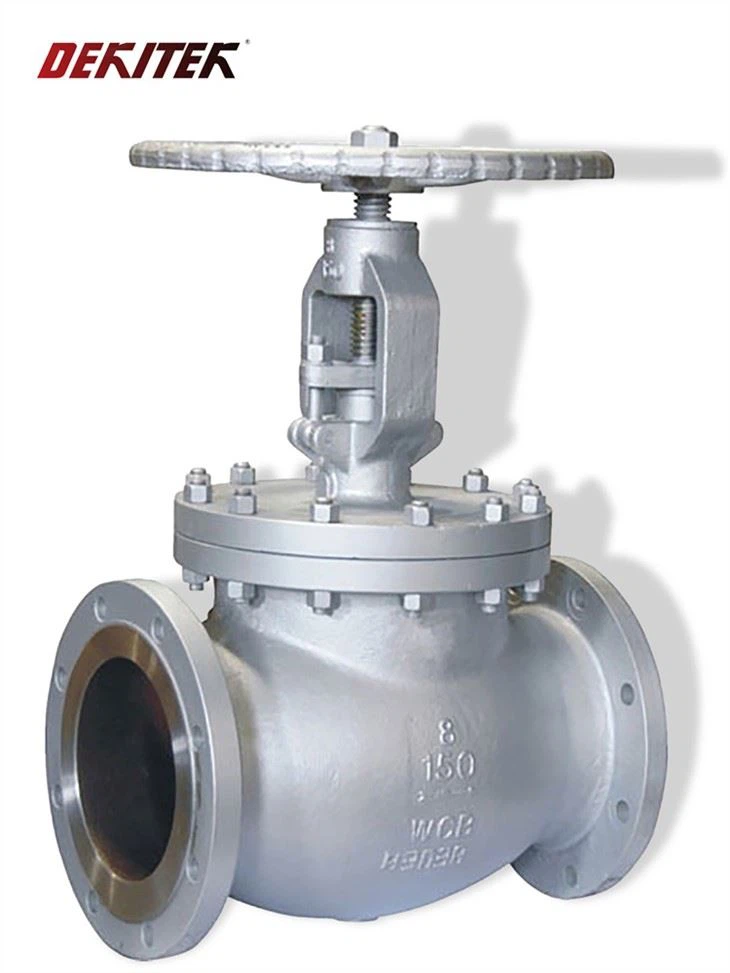
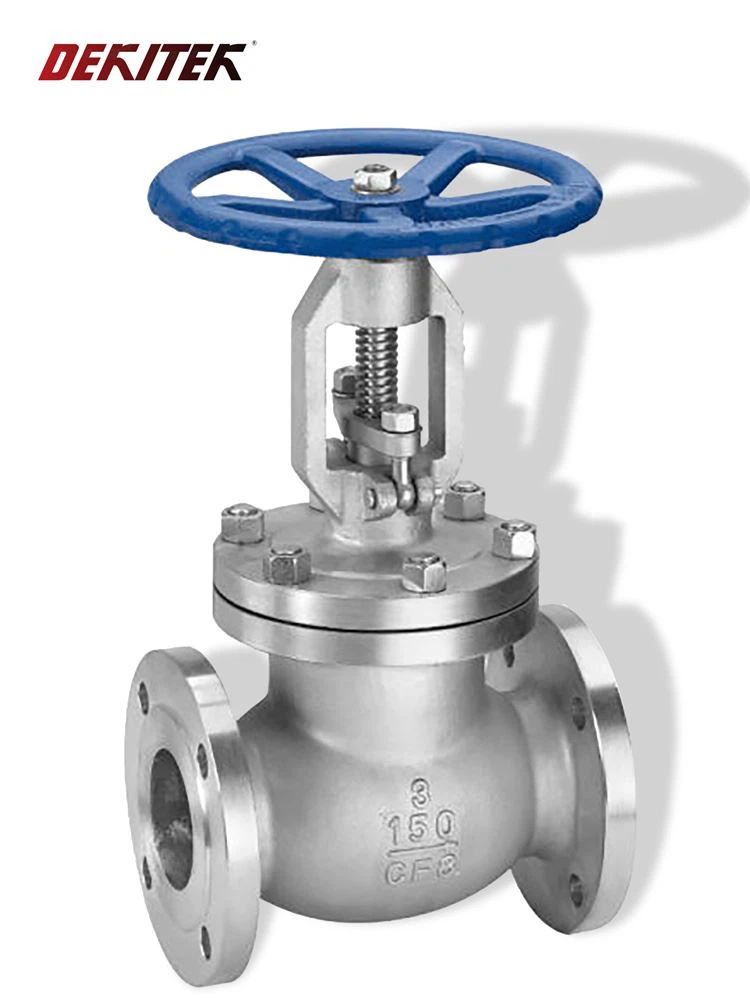
If you're interested in learning more about our range of globe valves, including Alloy Steel Globe Valve, Stainless Steel Globe Valve, and Duplex Steel Globe Valve, feel free to get in touch with us. We'd be happy to discuss your specific requirements and help you find the right valve for your application. Whether you're a small business or a large industrial corporation, we have the expertise and products to meet your needs. Don't hesitate to reach out and start a conversation about your valve requirements.
References
- "Valve Handbook: Principles and Applications"
- Industry standards and guidelines for globe valve manufacturing and maintenance