



A globe valve is a crucial component in various industrial systems, playing a significant role in controlling the flow of fluids. As a leading supplier of globe valves, I am excited to delve into the inner workings of these remarkable devices and shed light on their functionality.
Basic Structure of a Globe Valve
Before we explore how a globe valve works, let's first understand its basic structure. A typical globe valve consists of a valve body, a bonnet, a disk, a stem, and a seat. The valve body is the outer casing that houses all the internal components. It is usually made of materials such as cast iron, carbon steel, or stainless steel, depending on the application requirements. The bonnet is attached to the valve body and provides access to the internal parts for maintenance and repair.
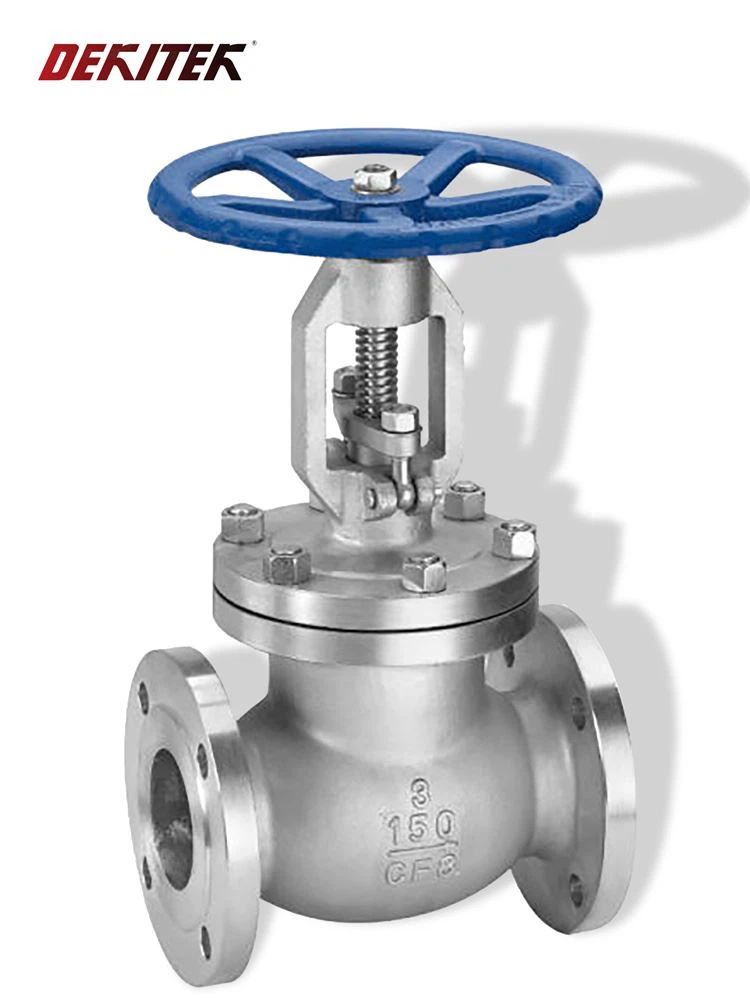
The disk is the movable element within the valve that controls the flow of fluid. It is connected to the stem, which passes through the bonnet and is operated either manually or automatically. The seat is a stationary ring inside the valve body where the disk comes into contact to shut off the flow. The design of the seat and disk can vary, but the most common types are the plug-shaped disk and the flat seat.
Working Principle of a Globe Valve
The operation of a globe valve is based on the principle of linear motion. When the valve is in the open position, the disk is lifted off the seat, allowing fluid to flow through the valve. The flow path in a globe valve is more tortuous compared to other types of valves, such as gate valves. This is because the fluid has to change direction as it passes through the valve, which results in a higher pressure drop.
To close the valve, the stem is turned or actuated, causing the disk to move downwards and seal against the seat. This blocks the flow of fluid completely. The tight seal between the disk and the seat is essential to prevent leakage. The amount of flow through the valve can be adjusted by partially opening or closing the disk, which is known as throttling.

Advantages of Globe Valves
One of the main advantages of globe valves is their excellent throttling capabilities. They can accurately control the flow rate of fluids, making them suitable for applications where precise flow control is required. For example, in chemical processing plants, globe valves are used to regulate the flow of corrosive chemicals with high precision.
Globe valves also provide a good shut-off capability. When fully closed, they can effectively stop the flow of fluid, preventing any leakage. This makes them ideal for applications where a tight seal is necessary, such as in steam systems.
Another advantage is their versatility. Globe valves can be used in a wide range of applications, including water supply systems, oil and gas pipelines, and power generation plants. They can handle different types of fluids, such as liquids, gases, and steam, and can operate under various pressure and temperature conditions.
Types of Globe Valves
There are several types of globe valves available, each designed for specific applications. Some of the common types include:

- Z-Body Globe Valve: This is the most traditional type of globe valve. It has a Z-shaped flow path, which provides a relatively high pressure drop but good throttling performance.
- Y-Body Globe Valve: The Y-body design offers a more direct flow path compared to the Z-body, resulting in a lower pressure drop. It is suitable for applications where a lower pressure drop is desired.
- Angle Globe Valve: In an angle globe valve, the inlet and outlet ports are at a 90-degree angle to each other. This design is often used in applications where space is limited or where a change in the flow direction is required.
Our Globe Valve Products
As a trusted supplier of globe valves, we offer a wide range of high-quality products to meet the diverse needs of our customers. Our product portfolio includes Alloy Steel Globe Valve and Duplex Steel Globe Valve.
Our alloy steel globe valves are made from high-grade alloy steel materials, which provide excellent corrosion resistance and mechanical strength. They are suitable for applications in harsh environments, such as in the oil and gas industry. The duplex steel globe valves, on the other hand, are known for their superior corrosion resistance and high strength-to-weight ratio. They are commonly used in chemical processing plants and marine applications. You can also check our Duplex Steel Globe Valve for more details.

Maintenance and Troubleshooting
Proper maintenance is essential to ensure the reliable operation of globe valves. Regular inspection of the valve components, such as the disk, seat, and stem, can help detect any signs of wear or damage. Lubrication of the stem and other moving parts is also important to prevent friction and ensure smooth operation.
In case of any problems, such as leakage or difficulty in operation, troubleshooting steps should be taken. This may involve checking the tightness of the bonnet bolts, inspecting the packing for damage, or replacing worn-out parts. If the problem persists, it is advisable to consult a professional technician.
Conclusion
In conclusion, globe valves are essential components in many industrial systems, offering excellent flow control and shut-off capabilities. Their unique design and working principle make them suitable for a wide range of applications. As a leading supplier of globe valves, we are committed to providing our customers with high-quality products and excellent service.
If you are in need of globe valves for your industrial applications, we invite you to contact us for a detailed discussion. Our team of experts will be happy to assist you in selecting the right valve for your specific requirements. We look forward to the opportunity to work with you and contribute to the success of your projects.
References
- Valve Handbook, Second Edition by J. A. Metzger
- Industrial Valves: A Practical Guide by R. K. Sinha