


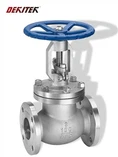

Can an Alloy Steel Pressure Seal Gate Valve be used in a chemical plant?
In the complex and demanding environment of a chemical plant, the selection of appropriate valves is crucial for ensuring the safety, efficiency, and reliability of the entire operation. As a supplier of Alloy Steel Pressure Seal Gate Valves, I am often asked whether our products are suitable for use in chemical plants. In this blog post, I will delve into the characteristics of Alloy Steel Pressure Seal Gate Valves and explore their applicability in chemical plant settings.
Understanding Alloy Steel Pressure Seal Gate Valves
Alloy steel pressure seal gate valves are designed to meet the high - pressure and high - temperature requirements of various industrial applications. These valves are constructed using alloy steel, which offers excellent mechanical properties such as high strength, good corrosion resistance, and the ability to withstand extreme temperatures.
The pressure seal design is a key feature of these valves. Unlike traditional bolted bonnet designs, the pressure seal bonnet design utilizes the system pressure to enhance the sealing force. As the system pressure increases, the sealing force between the bonnet and the valve body also increases, ensuring a tight and reliable seal even under high - pressure conditions.
The gate mechanism in these valves provides a full - bore flow path when fully open, minimizing pressure drop and allowing for efficient fluid flow. When closed, the gate creates a tight shut - off, preventing leakage of the process fluid.
Suitability for Chemical Plants
Chemical Resistance
One of the primary concerns in a chemical plant is the resistance of valves to the corrosive chemicals being handled. Alloy steels can be formulated with different alloying elements to provide varying degrees of corrosion resistance. For example, adding chromium to the alloy steel can improve its resistance to oxidation and certain types of corrosion. Some alloy steel pressure seal gate valves are also coated with special materials to enhance their chemical resistance.


However, it is important to note that not all alloy steels are suitable for all chemicals. The specific chemical composition of the process fluid in the chemical plant must be carefully considered. For instance, highly acidic or alkaline chemicals may require a more corrosion - resistant alloy or a valve with a specialized lining.
High - Pressure and High - Temperature Tolerance
Chemical processes often involve high pressures and temperatures. Alloy steel pressure seal gate valves are well - suited for these conditions. Their pressure seal design ensures reliable sealing at high pressures, and the alloy steel material can withstand elevated temperatures without significant loss of mechanical properties.
In many chemical reactions, high pressures are used to drive the reaction forward, and high temperatures are required to achieve the desired reaction rates. These valves can maintain their integrity and performance under such extreme conditions, contributing to the safe and efficient operation of the chemical plant.
Reliability and Durability
Reliability is of utmost importance in a chemical plant. A valve failure can lead to leaks, which may pose safety hazards, cause environmental pollution, and disrupt the production process. Alloy steel pressure seal gate valves are known for their durability and long service life.
The robust construction of these valves, combined with the high - quality alloy steel material, allows them to withstand the harsh operating conditions in a chemical plant, including abrasive particles in the process fluid and cyclic loading. This reduces the frequency of valve replacements and maintenance, resulting in cost savings for the plant.
Advantages over Other Valve Types
Compared to Pneumatic Actuator Gate Valves
Pneumatic Actuator Gate Valves Pneumatic Actuator Gate Valve are often used for remote operation and quick actuation. While they offer the advantage of easy automation, they may not be as suitable for high - pressure applications as alloy steel pressure seal gate valves. The pressure seal design of alloy steel gate valves provides a more reliable seal under high pressures, which is a critical requirement in many chemical plant processes.
Compared to Stainless Steel Flexible Wedge Gate Valves
Stainless Steel Flexible Wedge Gate Valves Stainless Steel Flexible Wedge Gate Valve are known for their ability to provide a tight shut - off even in the presence of minor seat irregularities. However, in high - pressure and high - temperature chemical plant environments, alloy steel pressure seal gate valves may offer better mechanical strength and pressure - containing capabilities. The alloy steel material can better withstand the thermal and mechanical stresses associated with extreme operating conditions.
Compared to Duplex Stainless Steel Pressure Seal Gate Valves
Duplex Stainless Steel Pressure Seal Gate Valves Duplex Stainless Steel Pressure Seal Gate Valve are also used in chemical plants due to their high corrosion resistance. However, alloy steel pressure seal gate valves can be a more cost - effective option in some cases, especially when the chemical environment does not require the extremely high corrosion resistance provided by duplex stainless steel.
Considerations for Using Alloy Steel Pressure Seal Gate Valves in Chemical Plants
Compatibility with Process Fluids
As mentioned earlier, the compatibility of the valve material with the process fluid is crucial. A detailed analysis of the chemical composition, temperature, and pressure of the process fluid should be conducted before selecting an alloy steel pressure seal gate valve. In some cases, laboratory testing may be required to ensure the long - term performance of the valve.
Installation and Maintenance
Proper installation and maintenance are essential for the optimal performance of alloy steel pressure seal gate valves. The valves should be installed according to the manufacturer's instructions, and regular maintenance should be carried out to check for signs of wear, corrosion, and leakage.
Regulatory Compliance
Chemical plants are subject to strict regulatory requirements. The use of valves in these plants must comply with relevant industry standards and regulations. Alloy steel pressure seal gate valves should be designed and manufactured to meet these standards, such as ASME, API, and ISO standards.
Conclusion
Alloy Steel Pressure Seal Gate Valves can be a viable option for use in chemical plants. Their high - pressure and high - temperature tolerance, chemical resistance, reliability, and durability make them suitable for many chemical plant applications. However, careful consideration must be given to the specific requirements of the chemical process, including the compatibility with process fluids, installation and maintenance, and regulatory compliance.
If you are in the chemical plant industry and are looking for reliable and high - performance valves, our Alloy Steel Pressure Seal Gate Valves may be the right choice for you. We are committed to providing high - quality products and excellent customer service. Contact us for more information and to discuss your specific valve requirements. We look forward to the opportunity to work with you and contribute to the success of your chemical plant operations.
References
- ASME Boiler and Pressure Vessel Code
- API Standards for Valves in Petroleum Industry
- ISO Standards for Industrial Valves