


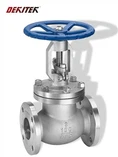

In the realm of industrial fluid control, lug type metal sealing butterfly valves play a crucial role. These valves are widely used in various industries such as oil and gas, chemical processing, power generation, and water treatment due to their reliable performance, durability, and excellent sealing capabilities. As a supplier of Lug Type Metal Sealing Butterfly Valves, I often receive inquiries from customers about the repairability of these valves. In this blog post, I will delve into the topic and provide a comprehensive analysis of whether a lug type metal sealing butterfly valve can be repaired.
Understanding Lug Type Metal Sealing Butterfly Valves
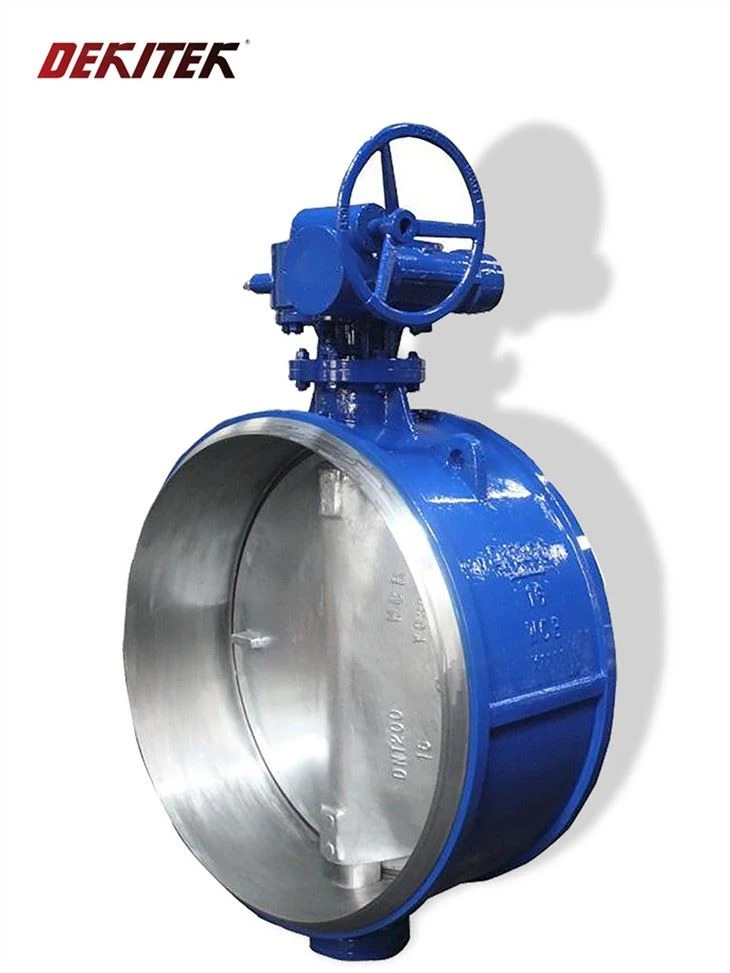
Before discussing the repairability, it is essential to understand the structure and working principle of lug type metal sealing butterfly valves. These valves consist of a disc, a stem, a body, and a sealing mechanism. The disc is mounted on the stem and rotates within the valve body to control the flow of fluid. The metal sealing mechanism provides a tight seal between the disc and the valve seat, preventing leakage even under high pressure and temperature conditions.
Lug type valves are designed with lugs on the valve body, which allow for easy installation between two flanges using bolts. This design makes them suitable for applications where the valve needs to be installed or removed without disturbing the entire pipeline system. Metal sealing butterfly valves, on the other hand, use metal-to-metal contact between the disc and the seat to achieve a reliable seal. This type of sealing is more robust and can withstand harsh operating conditions compared to elastomeric seals.
Factors Affecting Repairability
Several factors determine whether a lug type metal sealing butterfly valve can be repaired. These factors include the extent of damage, the type of damage, the availability of replacement parts, and the cost-effectiveness of the repair.
Extent of Damage
The extent of damage to the valve is a critical factor in determining its repairability. Minor damages such as scratches, dents, or minor wear on the sealing surfaces can often be repaired through simple procedures such as machining, grinding, or polishing. However, if the damage is severe, such as a cracked valve body, a broken stem, or significant deformation of the disc, the valve may not be repairable and may need to be replaced.
Type of Damage
The type of damage also plays a crucial role in the repairability of the valve. For example, damage to the sealing surfaces can often be repaired by resurfacing or replacing the seat and disc. However, damage to the internal components such as the stem bearings or the actuator may require more complex repairs or replacement of the entire component.
Availability of Replacement Parts
The availability of replacement parts is another important factor in determining the repairability of the valve. If the replacement parts are readily available, the repair process can be completed quickly and cost-effectively. However, if the parts are obsolete or difficult to source, the repair may be more challenging and may require longer lead times.
Cost-Effectiveness of the Repair
The cost-effectiveness of the repair is also a significant consideration. In some cases, the cost of repairing the valve may be comparable to or even higher than the cost of replacing it. In such situations, it may be more economical to replace the valve rather than repair it.

Common Repairs for Lug Type Metal Sealing Butterfly Valves
Despite the challenges, many common problems with lug type metal sealing butterfly valves can be repaired. Here are some of the most common repairs:
Sealing Surface Repair
One of the most common problems with metal sealing butterfly valves is damage to the sealing surfaces. This can be caused by wear, corrosion, or foreign particles in the fluid. To repair the sealing surfaces, the valve can be disassembled, and the damaged areas can be machined or ground to restore the proper surface finish. In some cases, the seat and disc may need to be replaced if the damage is too severe.
Stem and Bearing Repair
The stem and bearings are critical components of the valve, and any damage to these parts can affect the valve's performance. If the stem is bent or damaged, it may need to be straightened or replaced. Similarly, if the bearings are worn or damaged, they can be replaced to ensure smooth operation of the valve.
Actuator Repair
The actuator is responsible for opening and closing the valve, and any malfunction in the actuator can prevent the valve from operating correctly. If the actuator is damaged, it can often be repaired by replacing the damaged components such as the motor, gears, or control module.
The Repair Process
The repair process for lug type metal sealing butterfly valves typically involves the following steps:
Inspection
The first step in the repair process is to inspect the valve to determine the extent and type of damage. This may involve visual inspection, non-destructive testing, or disassembly of the valve to access the internal components.
Disassembly
Once the damage has been identified, the valve is disassembled to access the damaged parts. This may involve removing the bolts, nuts, and other fasteners that hold the valve together.
Repair or Replacement
The damaged parts are then repaired or replaced as necessary. This may involve machining, grinding, welding, or replacing the parts with new ones.
Reassembly
After the repair or replacement of the damaged parts, the valve is reassembled. This involves installing the new parts, tightening the fasteners, and ensuring that all components are properly aligned.
Testing
Once the valve is reassembled, it is tested to ensure that it is functioning correctly. This may involve pressure testing, leak testing, or functional testing to verify that the valve can open and close properly and provide a tight seal.
Conclusion
In conclusion, a lug type metal sealing butterfly valve can often be repaired, depending on the extent and type of damage, the availability of replacement parts, and the cost-effectiveness of the repair. Minor damages such as scratches, dents, or wear on the sealing surfaces can usually be repaired through simple procedures, while more severe damages may require more complex repairs or replacement of the entire valve.
As a supplier of Lug Type Metal Sealing Butterfly Valves, we have the expertise and experience to provide high-quality repair services for our customers. Our team of skilled technicians can diagnose the problem, recommend the best repair solution, and ensure that the valve is restored to its optimal performance.
If you are experiencing problems with your lug type metal sealing butterfly valve or are considering a repair, we encourage you to contact us. We can provide you with more information about our repair services and help you determine the best course of action for your specific needs. Whether you need a simple repair or a complete valve replacement, we are here to assist you. Feel free to reach out to us for a consultation and let's discuss how we can meet your requirements.
References
- Valve Handbook, by J. S. Tuzson
- Industrial Valves: Design and Application, by Robert D. Smith