


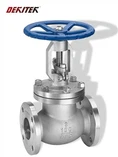

In the realm of industrial fluid control, ball valves play a pivotal role, especially when it comes to handling gas media. As a seasoned supplier of Forged Floating Soft Seated Ball Valves, I often encounter inquiries regarding the suitability of these valves for gas applications. This blog post aims to delve into the technical aspects, advantages, limitations, and safety considerations to answer the question: Can a forged floating soft seated ball valve be used for gas media?
Technical Understanding of Forged Floating Soft Seated Ball Valves
Before we assess their compatibility with gas media, let's understand the basic structure and operation of forged floating soft seated ball valves. These valves consist of a forged body, a ball with a through - hole, and soft seats typically made of materials like PTFE (Polytetrafluoroethylene), NBR (Nitrile Butadiene Rubber), or other elastomers. The ball is floating, which means it is not fixed axially and is pushed against the downstream seat by the fluid pressure.
When the valve is open, the ball rotates to align the through - hole with the pipeline, allowing the gas to flow freely. When closed, the ball rotates 90 degrees, blocking the flow path. The soft seats provide a tight seal around the ball, preventing leakage.
Advantages for Gas Applications
Excellent Sealing Performance
One of the primary advantages of using forged floating soft seated ball valves for gas media is their superior sealing ability. The soft seats can conform to the surface of the ball, even when there are minor irregularities. This ensures a bubble - tight seal, which is crucial for gas applications where even a small leak can pose significant safety risks, such as the risk of explosion or environmental pollution.
Low Torque Operation
These valves typically require relatively low torque to operate. This is beneficial in gas systems, as it allows for easy manual operation or the use of smaller, less expensive actuators. In automated gas control systems, lower torque requirements translate to reduced energy consumption and longer actuator life.
Corrosion Resistance
The soft seats and forged bodies of these valves can be selected to provide good corrosion resistance. For example, PTFE seats are highly resistant to a wide range of chemicals, making them suitable for use with various types of gases, including corrosive ones. The forged body can also be made from corrosion - resistant materials like stainless steel, ensuring long - term durability in gas environments.
Limitations and Considerations
Temperature and Pressure Limitations
Soft seated ball valves have temperature and pressure limitations. The soft seat materials may degrade at high temperatures, leading to loss of sealing performance. For gas applications where high temperatures or pressures are involved, such as in some industrial gas processing plants, the valve's performance may be compromised. In such cases, alternative valve types like Trunnion Mounted Metal Seated Forged Ball Valve may be more appropriate.
Wear and Tear
The soft seats are more prone to wear and tear compared to metal seats. In gas systems with high - velocity gas flow or gas containing solid particles, the seats may erode over time. This can lead to increased leakage and reduced valve lifespan. Regular maintenance and inspection are required to detect and address any signs of wear.
Compatibility with Gas Composition
It is essential to ensure that the soft seat material is compatible with the specific gas composition. Some gases may react with the soft seat material, causing swelling, cracking, or chemical degradation. For example, certain solvents or reactive gases may not be compatible with NBR seats.
Safety Considerations
Leakage Detection and Prevention
Given the potential hazards associated with gas leakage, it is crucial to have proper leakage detection and prevention measures in place when using forged floating soft seated ball valves. This may include installing leak sensors near the valve and implementing regular maintenance schedules to check for any signs of leakage.
Pressure Relief
Gas systems can experience pressure surges, which may exceed the rated pressure of the valve. It is important to install pressure relief devices in the system to protect the valve and prevent over - pressurization.
Fire Safety
In the event of a fire, the soft seats of the ball valve may melt or burn, leading to loss of sealing and potential gas leakage. Some valves are designed with fire - safe features, such as metal backup seats that can provide a secondary seal in case of fire.
Comparison with Other Valve Types
Trunnion Mounted Ball Valves
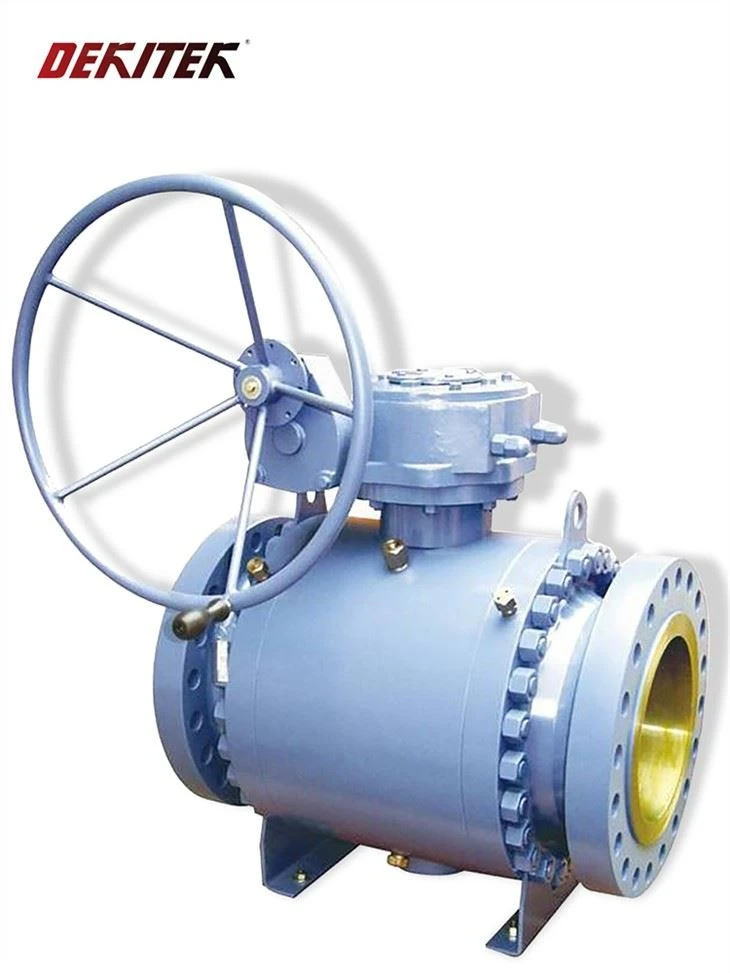
Trunnion Mounted Metal Seated Ball Valve and Trunnion Mounted Soft Seated Forged Ball Valve are other options for gas applications. Trunnion mounted valves are suitable for high - pressure and large - diameter applications. The trunnion design provides additional support to the ball, reducing the load on the seats. Metal seated trunnion valves are better suited for high - temperature and abrasive gas applications, while soft seated trunnion valves offer good sealing performance at lower pressures.
Gate Valves and Globe Valves
Gate valves and globe valves are also commonly used in gas systems. However, they generally have slower operation times compared to ball valves. Ball valves can be opened or closed quickly, which is an advantage in emergency shutdown situations in gas systems.
Conclusion
In conclusion, forged floating soft seated ball valves can be used for gas media in many applications, thanks to their excellent sealing performance, low torque operation, and corrosion resistance. However, their use must be carefully evaluated based on the specific requirements of the gas system, including temperature, pressure, gas composition, and flow characteristics.

If you are considering using forged floating soft seated ball valves for your gas applications, or if you have any questions about valve selection, feel free to contact us. Our team of experts is ready to assist you in making the right choice for your specific needs and ensuring the safe and efficient operation of your gas systems.
References
- Valve Handbook, 4th Edition, by J. E. O. C. Starling
- ASME B16.34 - 2019, Valves - Flanged, Threaded, and Welding End
- API 6D - 2021, Specification for Pipeline Valves