




In the realm of fluid control systems, globe valves play a pivotal role. As a dedicated globe valve supplier, I've witnessed firsthand the importance of understanding various valve parameters. One such crucial parameter is the valve coefficient, commonly known as Cv. In this blog, we'll delve into what the valve coefficient (Cv) of a globe valve is, its significance, and how it impacts the performance of these valves.
Understanding the Basics of Globe Valves
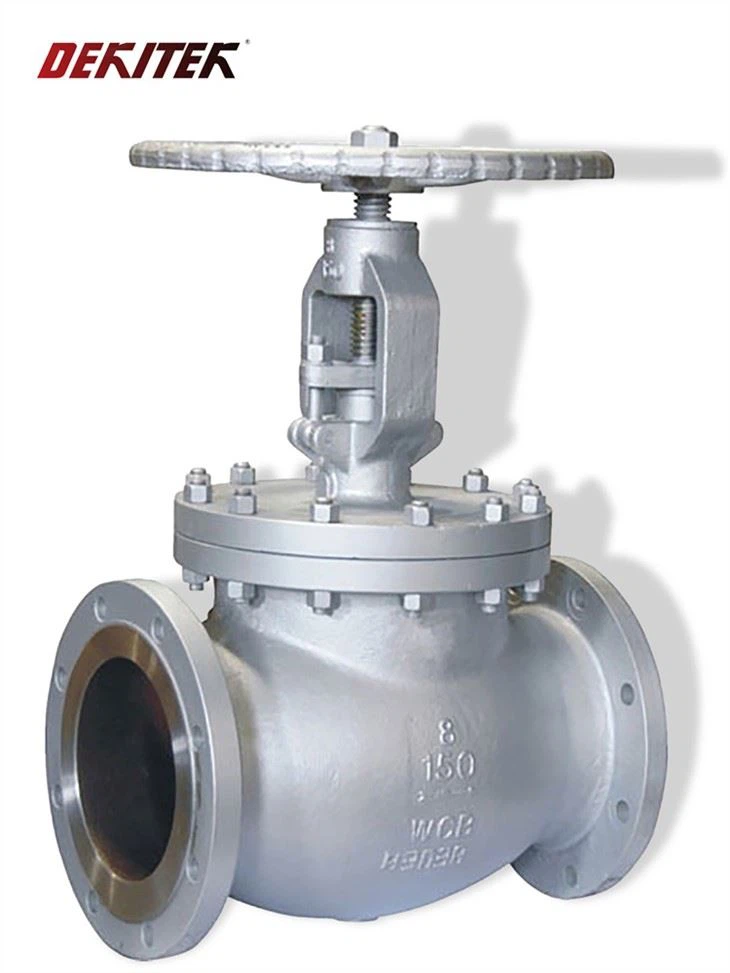
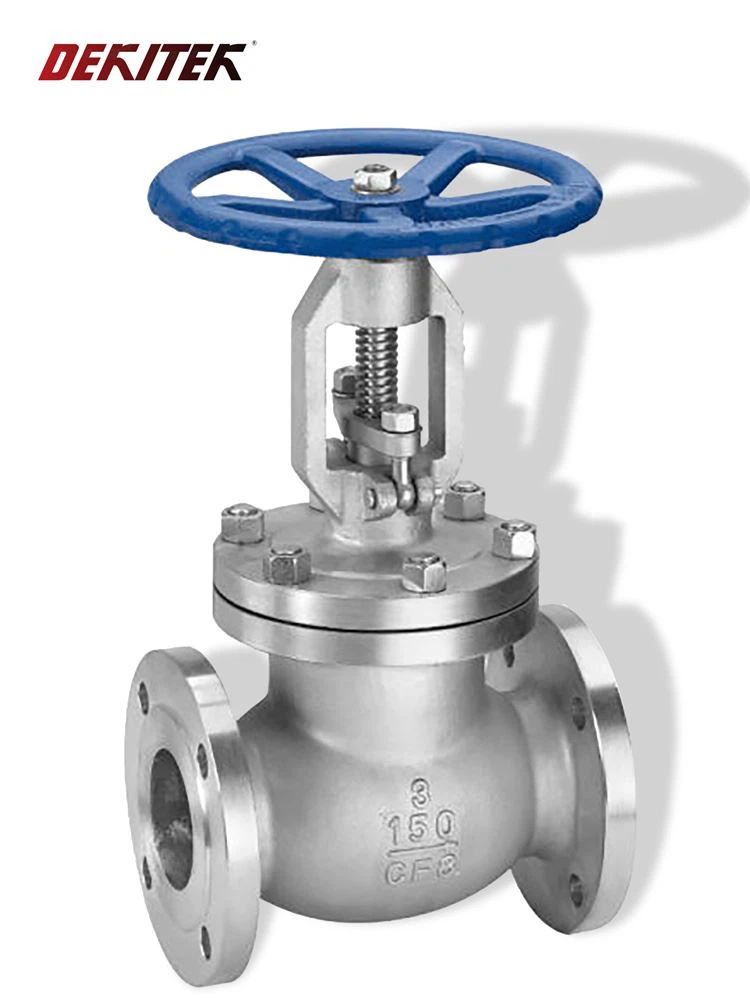
Before we jump into the concept of Cv, let's briefly understand what globe valves are. Globe valves are linear motion valves used for regulating the flow of fluid in a pipeline. They consist of a movable disk-type element and a stationary ring seat in a generally spherical body. The design allows for precise control of flow, making them suitable for applications where accurate flow regulation is required, such as in heating, ventilation, and air - conditioning (HVAC) systems, chemical processing plants, and power generation facilities.
What is the Valve Coefficient (Cv)?
The valve coefficient (Cv) is a measure of a valve's capacity to pass fluid. It is defined as the number of U.S. gallons per minute (GPM) of water at 60°F that will flow through a valve with a pressure drop of 1 pound per square inch (psi) across the valve. In simpler terms, Cv quantifies how much fluid a valve can handle under specific pressure conditions.
Mathematically, the formula for calculating the flow rate (Q) through a valve in terms of Cv is given by:
[Q = Cv\sqrt{\frac{\Delta P}{SG}}]
where:
- (Q) is the flow rate in GPM
- (Cv) is the valve coefficient
- (\Delta P) is the pressure drop across the valve in psi
- (SG) is the specific gravity of the fluid
For example, if a valve has a Cv of 10 and the pressure drop across it is 4 psi, and the fluid is water (SG = 1), then the flow rate through the valve can be calculated as:
[Q = 10\sqrt{\frac{4}{1}}= 10\times2 = 20\ GPM]
Significance of Cv in Globe Valves
The Cv value is of utmost importance when it comes to selecting the right globe valve for a particular application. Here's why:
Flow Capacity
The Cv value directly indicates the flow capacity of a globe valve. A higher Cv value means the valve can pass more fluid for a given pressure drop. When designing a fluid control system, engineers need to ensure that the selected valve has a Cv value that can meet the required flow rate of the system. For instance, in a large - scale industrial process where a high volume of fluid needs to be transferred, a globe valve with a high Cv value will be necessary.
Pressure Drop
The Cv value also helps in predicting the pressure drop across the valve. By knowing the Cv and the desired flow rate, the pressure drop can be calculated using the rearranged formula:
[\Delta P=\left(\frac{Q}{Cv}\right)^2SG]
Minimizing pressure drop is crucial in many applications as excessive pressure drop can lead to increased energy consumption and reduced system efficiency. Therefore, selecting a valve with an appropriate Cv value can help optimize the system's performance.
System Compatibility
Different applications have different flow requirements. The Cv value allows for easy comparison between different globe valves. This enables engineers to choose a valve that is compatible with the overall system design, ensuring that the valve can integrate seamlessly with other components in the pipeline.
Factors Affecting the Cv of Globe Valves
Several factors can influence the Cv value of a globe valve:
Valve Size
The physical size of the globe valve is one of the most significant factors affecting Cv. Generally, larger valves have higher Cv values because they have a larger flow area. For example, a 2 - inch globe valve will typically have a higher Cv than a 1 - inch globe valve.
Valve Trim Design
The trim of a globe valve, which includes the disk, seat, and stem, plays a crucial role in determining the Cv. Different trim designs can have different flow characteristics. For instance, a valve with a full - port trim will have a higher Cv compared to a valve with a reduced - port trim because the full - port trim allows for a more unrestricted flow of fluid.
Fluid Properties
The properties of the fluid being handled, such as viscosity and specific gravity, can also affect the Cv value. Viscous fluids tend to have a lower flow rate for a given Cv and pressure drop compared to less viscous fluids. Additionally, fluids with a higher specific gravity will require a larger Cv value to achieve the same flow rate as water under the same pressure conditions.
Selecting the Right Globe Valve Based on Cv
When selecting a globe valve based on Cv, the following steps can be followed:
Determine the Required Flow Rate
The first step is to determine the required flow rate of the system. This can be based on the process requirements, such as the amount of fluid needed for a chemical reaction or the cooling capacity required in an HVAC system.
Calculate the Pressure Drop
Estimate the pressure drop across the valve. This can be done by considering the pressure requirements of the system and the pressure losses in the pipeline.
Select the Appropriate Cv Value
Using the formula (Q = Cv\sqrt{\frac{\Delta P}{SG}}), calculate the required Cv value based on the desired flow rate and pressure drop. Then, select a globe valve with a Cv value that meets or slightly exceeds the calculated value to ensure adequate flow capacity.
Our Range of Globe Valves
As a globe valve supplier, we offer a wide range of high - quality globe valves to meet various industrial needs. Our Stainless Steel Globe Valve is highly corrosion - resistant, making it suitable for applications in harsh environments such as chemical processing and marine industries. It is available in different sizes and Cv values to accommodate different flow requirements.
We also have a Stainless Steel Globe Valve Factory where we manufacture these valves with strict quality control measures. Our manufacturing process ensures that each valve meets the highest industry standards.
For applications that require high - strength and durability, our Alloy Steel Globe Valve is an excellent choice. These valves are designed to withstand high pressures and temperatures, making them suitable for power generation and oil and gas industries.
Conclusion
Understanding the valve coefficient (Cv) of a globe valve is essential for anyone involved in fluid control systems. It helps in selecting the right valve for a specific application, ensuring optimal flow capacity, minimizing pressure drop, and improving system efficiency. As a globe valve supplier, we are committed to providing our customers with valves that have accurate Cv values and high - quality performance. If you are in need of a globe valve for your project, don't hesitate to contact us for a detailed discussion about your requirements and to explore our product range. We look forward to assisting you in finding the perfect solution for your fluid control needs.
References
- Crane Co., "Flow of Fluids Through Valves, Fittings, and Pipe," Technical Paper No. 410.
- ASME Standards on Fluid Flow Measurement and Control.
- Valve Manufacturers Association (VMA) publications on valve performance and selection.