

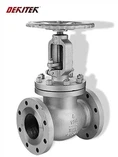
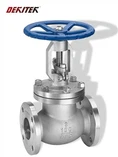
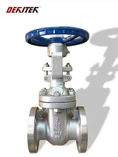
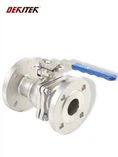
Shut-off valves, throttle valves, pressure reducing valves, check valves and other valves are directional. If they are installed upside down, the throttle valve will affect the use effect and life; the pressure reducing valve will not work at all, and the check valve may even cause danger.
Precautions for valve installation
Generally, valves have directional marks on the valve body; if there is no directional mark, it should be correctly identified according to the working principle of the valve.
The valve cavity of the shut-off valve is asymmetrical on the left and right, and the fluid should be allowed to pass through the valve port from bottom to top, so that the fluid resistance is small (determined by the shape), opening is labor-saving (because the medium pressure is upward), and the medium does not press the packing after closing, which is convenient for maintenance. This is why the shut-off valve cannot be installed upside down. Other valves also have their own characteristics.
The location of the valve installation must be convenient for operation; even if the installation is temporarily difficult, it is also necessary to consider the long-term work of the operator. It is best to align the valve handwheel with the chest (generally 1.2 meters away from the operating floor), so that it is easier to open and close the valve. The handwheel of the floor-standing valve should be facing upward, not tilted, to avoid awkward operation. For valves against the wall or equipment, there should also be room for operators to stand. Avoid operating with your head tilted up, especially with acid, alkali, toxic media, etc., otherwise it is very unsafe.
Do not install the gate valve upside down (i.e. the hand wheel is downward), otherwise the medium will remain in the valve cover space for a long time, which is easy to corrode the valve stem and is taboo for certain process requirements. At the same time, it is extremely inconvenient to replace the packing.
Some valve installations should also pay attention to the following:
1. The pressure reducing valve should be installed upright on the horizontal pipeline, and should not be tilted in all directions.
2. When installing the lifting check valve, ensure that its valve disc is vertical so that it can be lifted and lowered flexibly.
3. When installing the swing check valve, ensure that its pin shaft is horizontal so that it can be swung flexibly.
4. Do not install the rising stem gate valve underground, otherwise the exposed valve stem will be corroded due to moisture.
Choice of position and direction when installing the valve
The location where the valve is installed must be convenient for operation; even if the installation is temporarily difficult, it should be considered for the long-term work of the operator. It is best to align the valve handwheel with the chest (generally 1.2 meters away from the operating floor), so that it is easier to open and close the valve. The handwheel of the floor-standing valve should be facing upwards, not tilted, to avoid awkward operation. For valves against the wall or equipment, there should also be room for operators to stand. Avoid looking up at the sky, especially for acid, alkali, toxic media, etc., otherwise it is very unsafe.
Do not install the gate valve upside down (that is, the handwheel is facing down), otherwise the medium will remain in the valve cover space for a long time, which is easy to corrode the valve stem and is taboo for certain process requirements. At the same time, it is extremely inconvenient to replace the packing. Do not install the rising stem gate valve underground, otherwise the exposed valve stem will be corroded due to moisture.
When installing the lifting check valve, ensure that its valve disc is vertical so that it can be lifted and lowered flexibly.
When installing the swing check valve, ensure that its pin shaft is horizontal so that it can be swung flexibly.
Many valves have directionality, such as stop valves, throttle valves, pressure reducing valves, check valves, etc. If they are installed upside down, it will affect the use effect and life (such as throttle valves), or it will not work at all (such as pressure reducing valves), or even cause danger (such as check valves). Generally, valves have directional marks on the valve body; if there is no directional mark, it should be correctly identified according to the working principle of the valve.
The valve cavity of the stop valve is asymmetrical on the left and right, and the fluid should be allowed to pass through the valve port from bottom to top, so that the fluid resistance is small (determined by the shape), opening is labor-saving (because the medium pressure is upward), and the medium does not press the packing after closing, which is convenient for maintenance. This is why the stop valve cannot be installed upside down. Other valves also have their own characteristics.
The pressure reducing valve should be installed upright on the horizontal pipeline, and should not be tilted in all directions.