

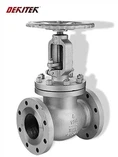
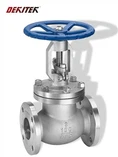
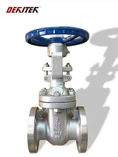
What is a Gate Valve?
A gate valve, also known as a sluice valve, is a type of valve used to control the flow of fluids. It works by using a flat disc or gate that is raised or lowered by turning a handle or wheel. When the gate is raised, fluids can pass through the valve freely. When the gate is lowered, fluids are blocked from flowing through the valve.
Gate valves are commonly used in applications where the valve needs to be fully open or fully closed. For example, they are often used for oil and gas pipelines, water treatment facilities, and sewage systems. Gate valves are also popular in fire protection systems because they can be opened and closed quickly, which ensures that water can be delivered to fire hydrants and sprinklers without delay.
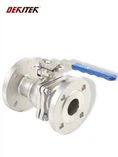
What is a Shut-Off Valve?
A shut-off valve, also known as an isolation valve, is a type of valve used to control the flow of fluids. Like a gate valve, it works by using a disc or gate that is raised or lowered by turning a handle or wheel. However, shut-off valves differ from gate valves in that they are typically used in applications where the valve needs to be partially open or closed.
For example, shut-off valves are commonly used in residential and commercial plumbing systems to control the flow of water to individual fixtures, such as sinks, toilets, and showers. They can be adjusted to control the rate of water flow or to completely shut off the flow of water to a specific fixture.
Differences Between Gate Valves and Shut-Off Valves**
1. **Operating Mechanism
The primary difference between gate valves and shut-off valves is the way they are operated. Gate valves require a wheel or handle to be turned to raise or lower the gate, which in turn controls the flow of fluid through the valve. Shut-off valves, on the other hand, require only a quarter turn of the handle to open or close the valve.
2. Flow Control
Another important difference between gate valves and shut-off valves is their ability to control the flow of fluid. Gate valves are typically used in applications where the valve needs to be fully open or fully closed. Shut-off valves, on the other hand, are designed to be partially open or closed, allowing for more precise control over the rate of flow.
3. Pressure Drop
Gate valves typically have a lower pressure drop than shut-off valves. This means that less pressure is lost as fluid flows through a gate valve than through a shut-off valve. This makes gate valves more efficient for applications where minimizing pressure loss is important.
4. Size
Gate valves are typically larger than shut-off valves and are used for larger diameter pipes, such as those commonly found in industrial applications. Shut-off valves, on the other hand, are typically used in smaller diameter pipes, such as those found in residential and commercial plumbing systems.
5. Maintenance
Gate valves are generally easier to maintain than shut-off valves. Gate valves have fewer parts that can wear out or break, and their simple design makes them easy to repair. Shut-off valves, on the other hand, have more parts and can be more complicated to repair if something goes wrong.
6. Price
Gate valves are generally more expensive than shut-off valves. This is because gate valves are larger and more complex than shut-off valves, which increases their cost. Shut-off valves, on the other hand, are smaller and simpler, which makes them less expensive.
In conclusion, gate valves and shut-off valves are both used to control the flow of fluids, but they have some important differences. Gate valves are typically used in applications where the valve needs to be fully open or fully closed, while shut-off valves are used in applications where the valve needs to be partially open or closed. Gate valves are also larger and more complex than shut-off valves, which makes them more expensive. However, gate valves are more efficient and easier to maintain than shut-off valves, which makes them a good choice for many industrial applications.