


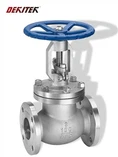

When dealing with slurries, the design of an electric actuator gate valve requires special considerations to ensure reliable and efficient operation. As a leading supplier of electric actuator gate valves, we understand the unique challenges posed by slurries and have developed specific design features to address them.
1. Material Selection
The first and most crucial aspect of designing an electric actuator gate valve for slurries is the selection of appropriate materials. Slurries often contain abrasive particles, corrosive chemicals, or a combination of both. Therefore, the valve components in contact with the slurry must be able to withstand wear and corrosion.
For the valve body, Duplex Stainless Steel Pressure Seal Gate Valve is an excellent choice. Duplex stainless steel offers high strength, good corrosion resistance, and excellent resistance to erosion caused by abrasive particles in the slurry. It combines the benefits of austenitic and ferritic stainless steels, providing a balance between mechanical properties and corrosion resistance.
The gate and seat of the valve are also critical components. Hardened materials such as stellite or tungsten carbide can be used for the gate and seat surfaces to enhance their wear resistance. These materials can withstand the constant rubbing and scraping action of the slurry particles, reducing the risk of leakage and extending the service life of the valve.
2. Sealing Design
A reliable sealing system is essential for an electric actuator gate valve used in slurry applications. The valve must be able to prevent leakage of the slurry, which can cause environmental pollution, equipment damage, and safety hazards.
One of the key design features for sealing in slurry applications is the use of a double - sealing mechanism. This typically consists of a primary seal and a secondary seal. The primary seal is usually a soft seal made of materials such as elastomers or PTFE, which provides a tight seal under normal operating conditions. The secondary seal is a metal - to - metal seal that comes into play when the primary seal is damaged or worn, ensuring a backup sealing function.
In addition, the valve stem sealing design is also crucial. A gland packing system with appropriate packing materials, such as graphite or PTFE - impregnated packing, can effectively prevent slurry leakage along the valve stem. The gland packing should be properly installed and maintained to ensure its sealing performance.
3. Flow Path Design
The flow path design of the electric actuator gate valve has a significant impact on its performance in slurry applications. A smooth and unobstructed flow path can reduce the risk of slurry deposition and blockage, ensuring continuous and efficient operation of the valve.
The valve body should be designed with a straight - through flow path to minimize the flow resistance and turbulence. This helps to prevent the accumulation of slurry particles in the valve, reducing the risk of clogging. The gate should also be designed to provide a full - bore opening, allowing the slurry to flow freely through the valve without any restrictions.
Furthermore, the valve should be equipped with a self - cleaning mechanism. For example, the gate can be designed with a scraping edge that wipes the seat surfaces clean as it opens and closes, removing any slurry deposits and maintaining a good sealing surface.
4. Actuator Design
The electric actuator used for the gate valve in slurry applications must be able to provide sufficient torque to operate the valve smoothly and reliably. Slurries can cause additional resistance to the movement of the gate due to their viscosity and the presence of abrasive particles.
The actuator should be sized appropriately based on the valve size, pressure rating, and the expected operating conditions. It should have a high - torque output to overcome the frictional forces and the resistance caused by the slurry. In addition, the actuator should be equipped with a reliable control system that can accurately position the gate and provide feedback on its status.
Some electric actuators are designed with features such as adjustable torque settings and overload protection. These features can prevent damage to the actuator and the valve in case of excessive resistance or jamming.


5. Maintenance and Inspection
Ease of maintenance and inspection is an important consideration for an electric actuator gate valve used in slurry applications. The valve should be designed in such a way that it can be easily disassembled, cleaned, and repaired.
Access ports should be provided on the valve body to allow for visual inspection of the internal components. These ports can also be used for cleaning and maintenance purposes. The valve components should be designed for easy replacement, with standard - sized parts that are readily available in the market.
Regular maintenance and inspection are essential to ensure the long - term performance of the valve. This includes checking the sealing performance, the condition of the gate and seat surfaces, and the operation of the actuator. By following a proper maintenance schedule, the valve can be kept in good working condition and its service life can be extended.
6. Comparison with Other Valve Types
When considering valve options for slurry applications, it is worth comparing the electric actuator gate valve with other valve types such as Pneumatic Actuator Gate Valve and Cast Steel Pressure Seal Gate Valve.
Pneumatic actuator gate valves are often used in applications where a quick - acting valve is required. However, they may not be as suitable for high - pressure or high - temperature slurry applications as electric actuator gate valves. Electric actuators can provide more precise control and higher torque output, making them more suitable for demanding slurry applications.
Cast steel pressure seal gate valves are known for their high - pressure resistance. However, in slurry applications, the cast steel material may not have the same level of wear and corrosion resistance as duplex stainless steel. Therefore, for slurry applications where wear and corrosion are major concerns, electric actuator gate valves made of duplex stainless steel may be a better choice.
7. Conclusion and Call to Action
In conclusion, an electric actuator gate valve used for slurries requires special designs in terms of material selection, sealing, flow path, actuator, and maintenance. These design features are essential to ensure the reliable and efficient operation of the valve in harsh slurry environments.
As a professional supplier of electric actuator gate valves, we have extensive experience in designing and manufacturing valves for slurry applications. Our valves are designed to meet the highest quality standards and can provide long - term performance and reliability.
If you are in the market for an electric actuator gate valve for your slurry application, we invite you to contact us for a detailed discussion. Our team of experts can help you select the most suitable valve for your specific needs and provide you with comprehensive technical support. We look forward to the opportunity to work with you and provide you with the best valve solutions.
References
- Valve Handbook, 4th Edition, by Tom Connett.
- Slurry Transport in Pipeline Systems, by John F. Delaney.
- Standards and Guidelines for Valve Design and Application, published by industry standards organizations.