


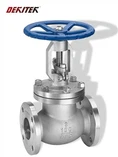

What is the valve disc material of BW Type Metal Sealing Butterfly Valve?
As a trusted supplier of BW Type Metal Sealing Butterfly Valves, I often encounter inquiries about the valve disc material. Understanding the right material for the valve disc is crucial as it directly impacts the valve's performance, durability, and suitability for different applications. In this blog, I'll delve into the various materials used for the valve disc of BW Type Metal Sealing Butterfly Valves, their characteristics, and how they affect the valve's overall functionality.
Common Valve Disc Materials
Stainless Steel
Stainless steel is one of the most widely used materials for valve discs in BW Type Metal Sealing Butterfly Valves. It offers excellent corrosion resistance, which makes it suitable for a wide range of applications, including those involving corrosive fluids such as acids, alkalis, and seawater. The high chromium content in stainless steel forms a passive oxide layer on the surface, protecting the metal from further corrosion.
There are different grades of stainless steel, such as 304 and 316. Grade 304 stainless steel is a common choice due to its good balance of corrosion resistance and cost - effectiveness. It contains approximately 18% chromium and 8% nickel. Grade 316 stainless steel, on the other hand, has better corrosion resistance, especially in chloride - containing environments, as it contains molybdenum. This makes it ideal for applications in the marine industry or in chemical processing plants where chloride ions are present.
For example, in a water treatment plant, a BW Type Metal Sealing Butterfly Valve with a 304 stainless steel valve disc can effectively control the flow of treated water without being affected by the mild corrosive substances in the water. In a chemical plant dealing with chloride - rich solutions, a valve disc made of 316 stainless steel would be a more appropriate choice.
Carbon Steel
Carbon steel is another popular material for valve discs. It is known for its high strength and good machinability. Carbon steel valve discs can withstand high pressures and temperatures, making them suitable for applications in the oil and gas industry, power generation plants, and steam systems.
However, carbon steel is prone to corrosion, especially in wet or corrosive environments. To enhance its corrosion resistance, carbon steel valve discs are often coated or lined. For instance, a zinc coating can be applied to the valve disc to provide a sacrificial layer that corrodes instead of the underlying carbon steel. In some cases, an epoxy lining is used to isolate the carbon steel from the corrosive medium.
In an oil refinery, a BW Type Metal Sealing Butterfly Valve with a carbon steel valve disc can be used to control the flow of crude oil or refined products. The high - strength carbon steel can withstand the high pressures and temperatures associated with the refining process.
Alloy Steel
Alloy steel valve discs are designed to offer specific properties by adding alloying elements such as chromium, nickel, molybdenum, and vanadium. These alloying elements can improve the valve disc's hardness, toughness, and corrosion resistance.
Alloy steel is often used in high - performance applications where the valve needs to operate under extreme conditions. For example, in a high - temperature steam system, an alloy steel valve disc can maintain its mechanical properties at elevated temperatures, ensuring reliable valve operation. Alloy steel valve discs can also be used in applications where wear resistance is required, such as in the mining industry, where the valve may be exposed to abrasive particles in the fluid.
Impact of Valve Disc Material on Valve Performance
The choice of valve disc material has a significant impact on the performance of the BW Type Metal Sealing Butterfly Valve.
Sealing Performance
The material of the valve disc affects the sealing performance of the valve. A valve disc made of a material with good hardness and surface finish can provide a better seal against the valve seat. For example, a stainless steel valve disc with a smooth surface can form a tight seal with a metal valve seat, preventing leakage of the fluid. In contrast, a valve disc made of a soft material may deform under pressure, leading to poor sealing and potential leakage.
Durability
The durability of the valve is closely related to the valve disc material. A corrosion - resistant material like stainless steel or alloy steel can extend the service life of the valve, especially in corrosive environments. Carbon steel valve discs, if not properly protected, may corrode over time, reducing the valve's performance and lifespan. Additionally, a valve disc made of a material with high hardness and wear resistance can withstand the abrasion caused by the flow of fluid, ensuring long - term reliable operation.
Temperature and Pressure Resistance
Different valve disc materials have different temperature and pressure ratings. Alloy steel valve discs can generally withstand higher temperatures and pressures compared to carbon steel or stainless steel valve discs. When selecting a valve disc material, it is essential to consider the operating temperature and pressure of the application to ensure that the valve can operate safely and effectively.
Related Product Types
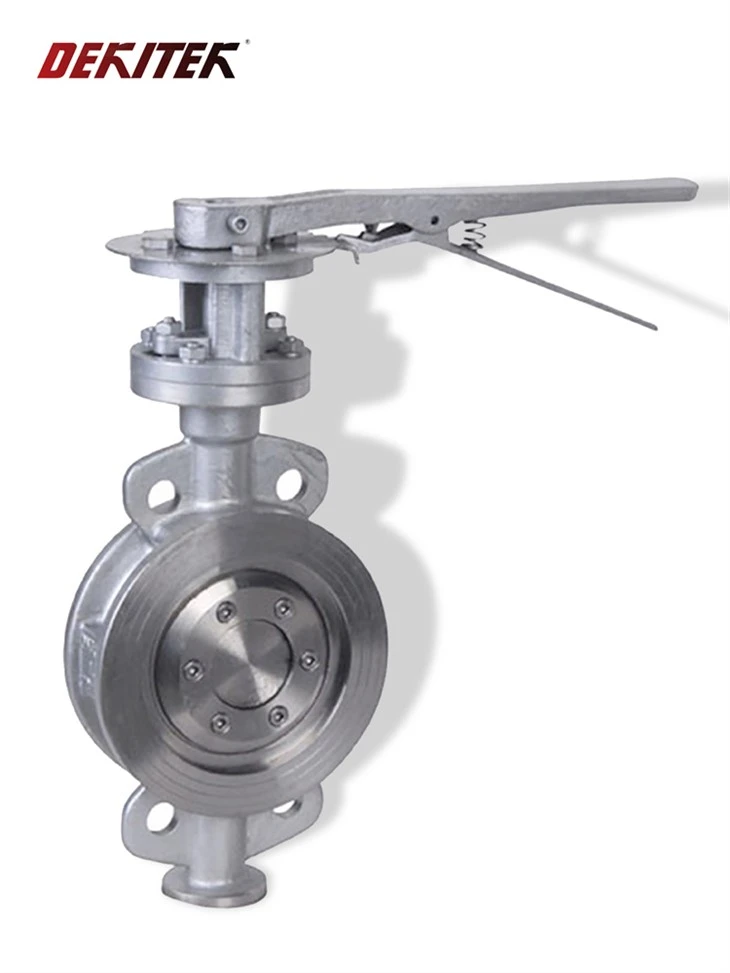
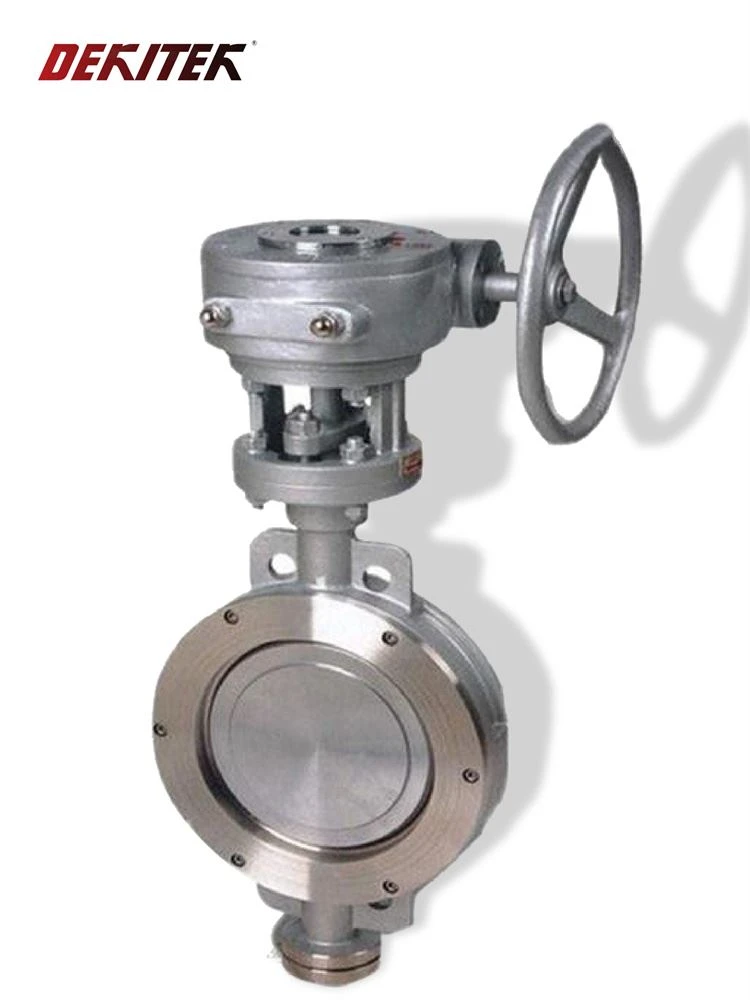
In addition to the BW Type Metal Sealing Butterfly Valve, we also offer other types of butterfly valves, such as the Wafer Type Metal Sealing Butterfly Valve, Triple Offset Flange End Type Butterfly Valve, and Triple Offset Wafer Type Butterfly Valve. Each type of valve has its own unique features and is suitable for different applications.
The wafer - type butterfly valves are compact and easy to install between two flanges, making them a popular choice for space - limited applications. The triple - offset butterfly valves, on the other hand, offer excellent sealing performance and are often used in high - pressure and high - temperature applications.
Conclusion
Selecting the right valve disc material for a BW Type Metal Sealing Butterfly Valve is a critical decision that depends on various factors, including the nature of the fluid, operating temperature and pressure, and the required valve performance. As a supplier, we have the expertise and experience to help our customers choose the most suitable valve disc material for their specific applications.
If you are in the market for a BW Type Metal Sealing Butterfly Valve or any other type of butterfly valve, we encourage you to contact us for a detailed discussion about your requirements. Our team of experts can provide you with professional advice and customized solutions to meet your needs. Let's work together to ensure the reliable and efficient operation of your fluid control systems.
References
- Valve Handbook, by J. Paul Tullis
- Materials Science and Engineering: An Introduction, by William D. Callister Jr. and David G. Rethwisch