


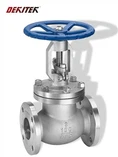

The leakage rate of a lug type metal sealing butterfly valve is a critical parameter that directly impacts its performance and suitability for various applications. As a trusted supplier of lug type metal sealing butterfly valves, I have in - depth knowledge of this topic and am eager to share it with you.
Understanding the Basics of Lug Type Metal Sealing Butterfly Valves
Before delving into the leakage rate, it's essential to understand what a lug type metal sealing butterfly valve is. A lug type valve has threaded inserts on the outside of the valve body, which allows it to be installed between two flanges using bolts. The metal sealing feature means that the valve uses metal components for sealing, providing high - temperature and high - pressure resistance compared to rubber - seated valves.
These valves are commonly used in industries such as oil and gas, chemical processing, power generation, and water treatment. Their robust construction and reliable performance make them a popular choice for applications where tight shut - off is required.
Factors Affecting the Leakage Rate
The leakage rate of a lug type metal sealing butterfly valve is influenced by several factors:
1. Sealing Surface Quality
The quality of the sealing surfaces of the valve disc and seat is crucial. Any imperfections, such as scratches, dents, or unevenness, can lead to increased leakage. During the manufacturing process, strict quality control measures are implemented to ensure that the sealing surfaces are smooth and flat. Precision machining techniques are used to achieve the required surface finish, which helps in reducing the leakage rate.
2. Material Selection
The materials used for the valve disc and seat play a significant role in determining the leakage rate. High - quality metals with good corrosion resistance and hardness are typically chosen. For example, stainless steel is a common material due to its durability and ability to maintain a tight seal over time. The compatibility between the disc and seat materials is also important to prevent galling and ensure proper sealing.
3. Valve Design
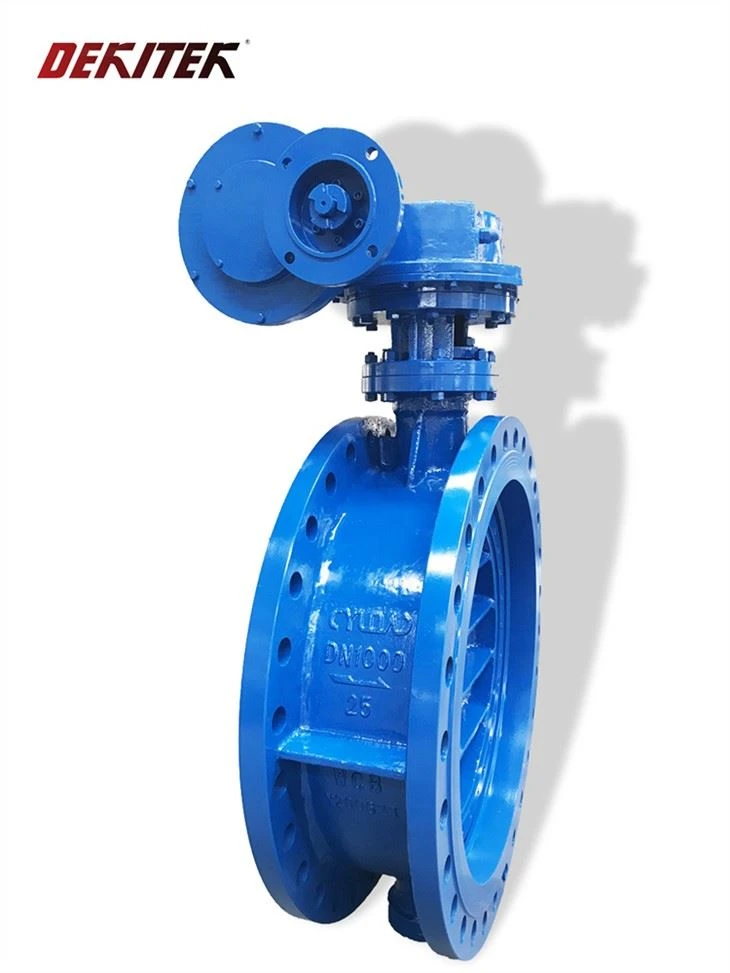
The design of the valve, including the offset of the shaft and the shape of the disc, can affect the leakage rate. Double offset and triple offset designs are commonly used in lug type metal sealing butterfly valves. The Double Offset Flange End Type Butterfly Valve and Triple Offset Lug Type Butterfly Valve are designed to provide a more reliable seal by reducing friction and wear during operation. The double offset design reduces the contact between the disc and seat during opening and closing, while the triple offset design provides a more precise and tight seal.
4. Operating Conditions
The operating conditions, such as pressure, temperature, and the nature of the fluid being handled, can impact the leakage rate. High - pressure applications require valves with better sealing capabilities to prevent leakage. Similarly, high - temperature environments can cause the materials to expand or contract, which may affect the seal. In corrosive or abrasive fluid applications, the valve components need to be resistant to damage to maintain a low leakage rate.
Measuring the Leakage Rate
The leakage rate of a lug type metal sealing butterfly valve is typically measured according to industry standards. One of the most common standards is the API 598 (American Petroleum Institute Standard for Valve Inspection and Testing). This standard defines the acceptable leakage rates for different types of valves under specific test conditions.
The leakage rate is usually expressed in terms of volume per unit time, such as cubic centimeters per minute (cc/min) or liters per hour (L/h). During the testing process, the valve is subjected to a specified pressure and the amount of fluid that leaks through the closed valve is measured. The test results are then compared to the standard requirements to determine if the valve meets the quality criteria.
Typical Leakage Rates for Lug Type Metal Sealing Butterfly Valves
The leakage rate of lug type metal sealing butterfly valves can vary depending on the design, size, and application. In general, well - designed and properly manufactured valves can achieve very low leakage rates. For example, in some applications, the leakage rate can be as low as 0.0001% of the rated flow capacity.
However, it's important to note that the actual leakage rate may deviate from the theoretical values due to factors such as installation errors, improper maintenance, or changes in operating conditions. Regular maintenance and inspection of the valves are essential to ensure that they continue to perform at their best and maintain a low leakage rate.
Importance of Low Leakage Rate
A low leakage rate is of utmost importance in many applications. In the oil and gas industry, for example, even a small amount of leakage can result in significant losses of valuable resources and pose safety risks. In chemical processing plants, leakage of hazardous chemicals can lead to environmental pollution and endanger the health of workers.
In addition, a low leakage rate also contributes to the overall efficiency of the system. By minimizing the loss of fluid, the valve helps to maintain the desired flow rate and pressure, reducing energy consumption and improving the performance of the entire process.

Our Company's Commitment to Low Leakage Valves
As a supplier of lug type metal sealing butterfly valves, we are committed to providing our customers with valves that have low leakage rates. We use advanced manufacturing technologies and strict quality control measures to ensure the high quality of our products.
Our team of experienced engineers and technicians continuously research and develop new valve designs to improve the sealing performance. We also offer a wide range of valve sizes and configurations to meet the diverse needs of our customers. Whether you need a Double Offset Wafer Type Butterfly Valve for a small - scale application or a large - diameter triple offset valve for a high - pressure system, we have the right solution for you.
Contact Us for Your Valve Needs
If you are looking for high - quality lug type metal sealing butterfly valves with low leakage rates, we invite you to contact us. Our sales team is ready to assist you in selecting the most suitable valve for your application. We can provide detailed product information, technical support, and competitive pricing. Let's work together to ensure the success of your projects with reliable and efficient valve solutions.
References
- API 598, Valve Inspection and Testing, American Petroleum Institute.
- Valve Handbook, Edited by Robert W. McKetta.