



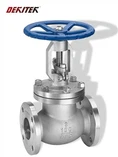

Hey there! As a supplier of Alloy Steel Pressure Seal Gate Valves, I often get asked about the noise level when these valves are operating. It's a crucial question, especially for industries where noise can be a real issue, like power plants, refineries, and chemical processing facilities. So, let's dive right in and explore what the noise level is like during the operation of an Alloy Steel Pressure Seal Gate Valve.
First off, it's important to understand how these valves work. An Alloy Steel Pressure Seal Gate Valve is designed to control the flow of fluids in high - pressure systems. The valve has a gate that moves up and down to either allow or block the flow of the fluid. When the valve is opening or closing, there are several factors that can contribute to the noise.
One of the main sources of noise is the fluid flow itself. As the fluid passes through the valve, it can create turbulence. Turbulence occurs when the fluid's smooth flow is disrupted, and it starts to move in irregular patterns. This turbulence can generate noise, and the intensity of the noise depends on the velocity of the fluid, the pressure difference across the valve, and the viscosity of the fluid. For example, if the fluid is flowing at a high velocity through a narrow opening in the valve, the turbulence and thus the noise level will be higher.
Another factor that can affect the noise level is the mechanical movement of the valve components. When the gate moves up or down, there can be friction between the gate and the valve seat, as well as between the stem and the packing. This friction can cause vibrations, which are then transmitted through the valve body and into the surrounding environment as noise. The quality of the valve's manufacturing and the materials used also play a role. A well - made valve with smooth - fitting components will generally produce less noise than a poorly manufactured one.
The design of the valve can also have a significant impact on the noise level. Some Alloy Steel Pressure Seal Gate Valves are designed with special features to reduce noise. For instance, valves with streamlined internal passages can help to minimize turbulence and thus reduce noise. Additionally, valves with flexible wedges can sometimes operate more quietly because the flexible design can better adapt to the valve seat, reducing the chances of metal - to - metal contact that can cause noise.
Now, let's talk about the actual noise levels. In general, the noise level of an operating Alloy Steel Pressure Seal Gate Valve can range from around 60 decibels (dB) to over 90 dB, depending on the operating conditions. A noise level of 60 dB is about as loud as normal conversation, while a level of 90 dB is comparable to the noise of a lawnmower. In industrial settings, continuous exposure to noise levels above 85 dB can cause hearing damage over time, so it's important to manage the noise generated by these valves.
To measure the noise level of a valve, you can use a sound level meter. This device measures the sound pressure level in decibels. When measuring the noise of an Alloy Steel Pressure Seal Gate Valve, it's important to take the measurements at a specific distance from the valve, usually about 1 meter away, to ensure consistent and accurate results.
If the noise level of a valve is too high, there are several ways to reduce it. One option is to install a silencer or a noise - reducing device on the valve. These devices work by absorbing or deflecting the sound waves generated by the valve. Another option is to adjust the operating conditions of the valve. For example, reducing the fluid velocity or the pressure difference across the valve can help to reduce the turbulence and thus the noise level.


As a supplier, I always recommend choosing high - quality Alloy Steel Pressure Seal Gate Valves. High - quality valves are not only more reliable but also tend to operate more quietly. We offer a wide range of Alloy Steel Pressure Seal Gate Valves that are designed with noise reduction in mind. Our valves are made from high - grade alloy steel, which provides excellent durability and corrosion resistance. The manufacturing process is carefully controlled to ensure that the valve components fit together smoothly, minimizing friction and noise.
In addition to Alloy Steel Pressure Seal Gate Valves, we also supply Carbon Steel Flexible Wedge Gate Valves and Stainless Steel Pressure Seal Gate Valves. Each type of valve has its own unique features and advantages, and the choice depends on the specific requirements of your application.
If you're in the market for a gate valve and are concerned about the noise level, don't hesitate to reach out. We have a team of experts who can help you choose the right valve for your needs and provide you with all the information you need about noise levels and noise - reduction measures. Whether you're a small - scale operation or a large industrial facility, we can offer solutions that meet your requirements.
In conclusion, the noise level of an operating Alloy Steel Pressure Seal Gate Valve can vary depending on several factors, including fluid flow, mechanical movement, and valve design. By understanding these factors and taking appropriate measures, you can manage the noise generated by these valves. And if you need a reliable and quiet - operating valve, we're here to help.
References:
- "Valve Handbook" - A comprehensive guide on valve technology and operation.
- Industry standards and guidelines on noise measurement and control in industrial settings.