



What is the noise level when a double offset lug type butterfly valve is in operation?
As a supplier of Double Offset Lug Type Butterfly Valves, I've received numerous inquiries regarding the noise levels these valves generate during operation. Understanding the noise characteristics of these valves is crucial for various applications, especially in environments where noise pollution is a concern.
Factors Influencing Noise Levels
The noise produced by a Double Offset Lug Type Butterfly Valve during operation is influenced by several factors. One of the primary factors is the flow rate of the fluid passing through the valve. Higher flow rates generally result in increased turbulence, which in turn generates more noise. When the fluid velocity is high, it can cause the valve disc to vibrate, leading to audible noise. For example, in a high - pressure pipeline system where the fluid is flowing at a rapid pace, the valve may produce a significant amount of noise.
The pressure differential across the valve also plays a vital role. A large pressure drop can cause cavitation, a phenomenon where vapor bubbles form and collapse in the fluid. The rapid collapse of these bubbles creates shock waves, which are a major source of noise. In systems with high inlet and low outlet pressures, the potential for cavitation and subsequent noise is greater.
The design of the valve itself can impact noise levels. The shape and material of the valve disc, as well as the internal structure of the valve body, can affect how the fluid flows through the valve. A well - designed valve with smooth internal surfaces and an aerodynamic disc shape can minimize turbulence and reduce noise. For instance, a valve with a precisely machined disc that fits snugly within the valve body can prevent excessive fluid leakage and turbulence, resulting in quieter operation.
Measuring Noise Levels
To accurately determine the noise level of a Double Offset Lug Type Butterfly Valve, sound level meters are commonly used. These meters measure the sound pressure level in decibels (dB). The measurement is typically taken at a specific distance from the valve, usually at a point where the noise has the most impact on the surrounding environment or where human operators are present.
In industrial settings, the acceptable noise level is often regulated. For example, in many workplaces, the maximum allowable noise level over an 8 - hour workday is around 85 dB. If the valve operates above this level, additional noise - reducing measures may be required.
Noise Reduction Strategies
There are several strategies that can be employed to reduce the noise generated by Double Offset Lug Type Butterfly Valves. One approach is to use noise - reducing liners inside the valve body. These liners are made of materials that can absorb sound waves and dampen vibrations. For example, rubber or elastomeric liners can be effective in reducing noise levels.
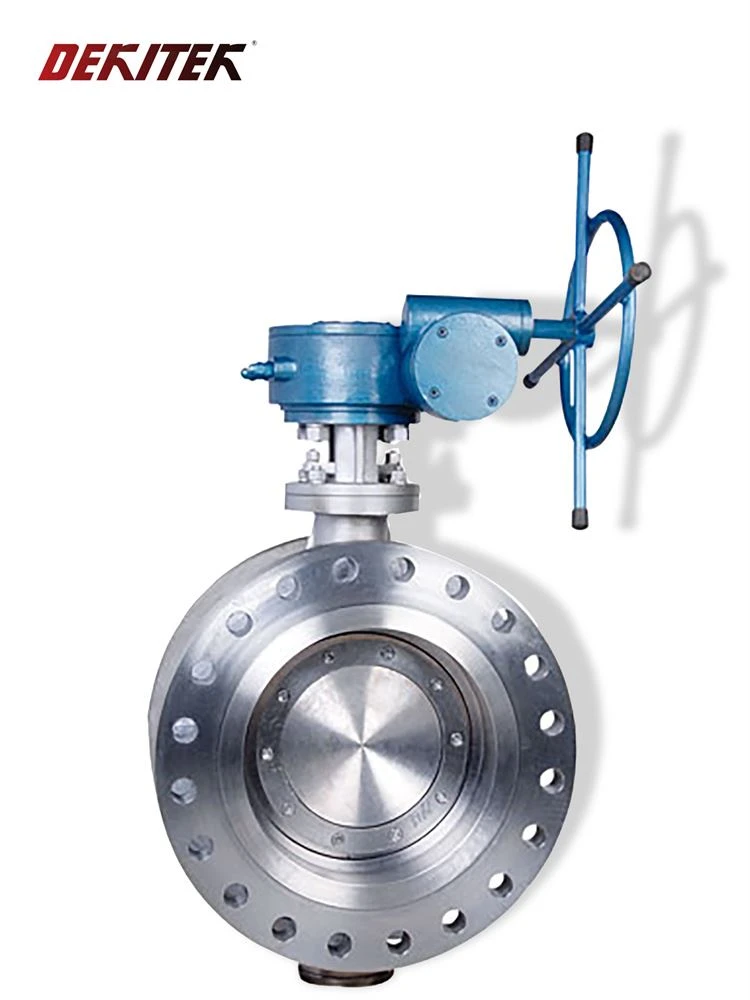
Another strategy is to install flow - control devices upstream or downstream of the valve. These devices can help regulate the flow rate and pressure, reducing the potential for turbulence and cavitation. For instance, a flow restrictor or a pressure - reducing valve can be used to manage the fluid conditions before it reaches the butterfly valve.

Proper installation and maintenance of the valve are also essential for noise reduction. Ensuring that the valve is correctly aligned and tightened can prevent excessive vibrations. Regular inspection and maintenance can identify and address any issues that may contribute to increased noise, such as worn - out parts or loose connections.
Comparison with Other Valve Types
When comparing Double Offset Lug Type Butterfly Valves with other types of valves, such as Double Offset Flange End Type Butterfly Valves Double Offset Flange End Type Butterfly Valve and Double Offset Wafer Type Butterfly Valves Double Offset Wafer Type Butterfly Valve, the noise levels can vary.
The flange end type may have different noise characteristics due to its connection method. The flanges provide a more rigid connection, which can affect the vibration transfer and potentially the noise generation. The wafer type, on the other hand, is typically lighter and may have different flow - induced vibration patterns. However, in general, the double offset design of all these valve types offers certain advantages in terms of reduced noise compared to some other valve designs, such as gate valves or ball valves, which may produce more noise due to their internal structures and operation mechanisms.
Applications and Noise Considerations
In different applications, the acceptable noise level of a Double Offset Lug Type Butterfly Valve can vary significantly. In a residential area, even a relatively low - level noise from a valve in a water supply system can be a nuisance. Therefore, valves used in such applications need to be carefully selected and may require additional noise - reduction measures.
In industrial processes, such as chemical plants or power generation facilities, the noise from valves is often part of the overall background noise. However, excessive noise can still indicate potential problems with the valve or the system. For example, a sudden increase in noise may be a sign of valve wear, cavitation, or a blockage in the pipeline.
Conclusion
In conclusion, the noise level of a Double Offset Lug Type Butterfly Valve Double Offset Lug Type Butterfly Valve during operation is influenced by multiple factors, including flow rate, pressure differential, and valve design. By understanding these factors and implementing appropriate noise - reduction strategies, the noise generated by these valves can be effectively managed.
If you are in the market for Double Offset Lug Type Butterfly Valves and have concerns about noise levels or any other aspects of valve performance, we are here to assist you. Our team of experts can provide detailed information and guidance to help you select the right valve for your specific application. Contact us to start a procurement discussion and find the best solution for your needs.
References
- "Valve Handbook" by Butterworth - Heinemann.
- "Fluid Mechanics and Thermodynamics of Turbomachinery" by S. L. Dixon.
- Industry standards and guidelines related to valve noise measurement and control.