


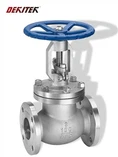

Picking the right size of a cast steel globe valve can be a real head - scratcher. As a supplier of Cast Steel Globe Valve, I've seen firsthand how important it is to get this choice right. In this blog, I'll share some tips on how to make that crucial decision.

Flow Rate Matters
First off, let's talk about flow rate. The flow rate is basically how much fluid (it could be water, gas, or whatever) can pass through the valve in a given amount of time. You need to know the maximum and minimum flow rates that your system will handle. If you pick a valve that's too small, it'll restrict the flow. That means your system won't work as efficiently as it should. You might end up with pressure drops, which can cause all sorts of problems down the line.
On the other hand, if you go for a valve that's too large, it can be a waste of money. Plus, a big valve might not close properly, leading to leakage. To figure out the right flow rate, you can look at the design specifications of your system. If you're dealing with a new project, the engineers should be able to give you a good estimate. For existing systems, you can measure the flow rate using flow meters. Once you have this number, you can start looking at valves that can handle that flow.

Pressure Considerations
Pressure is another key factor. You need to know the operating pressure of your system. This is the normal pressure that the fluid will be under when the system is running. You also need to consider the maximum pressure that the system might reach, like during a startup or a shutdown.
Cast steel globe valves are designed to handle different pressure ratings. If the pressure in your system is higher than what the valve can handle, it can lead to valve failure. That's a serious safety risk and can also cause a lot of damage to your equipment. So, make sure to choose a valve with a pressure rating that's higher than the maximum pressure your system will experience. You can usually find the pressure rating of a valve in its product specifications.
Pipe Size Compatibility
The size of the pipes in your system is directly related to the size of the valve you need. The valve should be the same size as the pipes it's going to be connected to. If the valve is smaller than the pipe, it'll cause a bottleneck, which can lead to pressure drops and reduced flow. If it's larger, it can be difficult to install and might not fit properly.
When you're choosing a valve, check the pipe size and make sure the valve has the same connection size. Most valves come with standard connection sizes, like NPT (National Pipe Thread) or flange connections. Make sure you know which type of connection your pipes use and choose a valve with the matching connection.
Temperature Tolerance
The temperature of the fluid passing through the valve is also important. Different cast steel globe valves have different temperature tolerances. If the fluid is too hot or too cold for the valve, it can cause the valve to malfunction. For example, high temperatures can cause the metal in the valve to expand, which can lead to leakage or jamming.
Before you choose a valve, find out the maximum and minimum temperatures of the fluid in your system. Then, look for a valve that can handle those temperatures. You can usually find the temperature rating of a valve in its product documentation.
Special Requirements
Sometimes, your system might have special requirements. For example, if you're dealing with corrosive fluids, you might need a valve made of a more corrosion - resistant material. We offer Duplex Steel Globe Valve which is great for handling corrosive substances. If you need a valve that can handle high - velocity flows, you might need a valve with a special design.
Alloy Steel Globe Valve is another option if you're looking for a valve with enhanced strength and durability. You need to think about these special requirements and choose a valve that meets them.

Cost - Benefit Analysis
Let's not forget about cost. While it's important to get a valve that meets all your requirements, you also don't want to break the bank. You need to do a cost - benefit analysis. Compare the prices of different valves that meet your needs. Consider the long - term costs as well. A more expensive valve might be more durable and require less maintenance, which can save you money in the long run.
Conclusion
Choosing the right size of a cast steel globe valve is a multi - step process. You need to consider the flow rate, pressure, pipe size, temperature, special requirements, and cost. By taking the time to carefully evaluate these factors, you can make an informed decision.
If you're still not sure which valve is right for your needs, don't hesitate to reach out. As a supplier, we have the expertise to help you choose the perfect valve for your system. Whether you're working on a small project or a large industrial application, we can provide the right solution. Contact us today to start the procurement process and let's get your system running smoothly.
References
- Valve Handbook, Crane Co.
- Fluid Mechanics for Engineers, Douglas C. Giancoli