


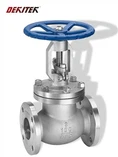

As a trusted supplier of API 6D BW Check Valves, I often receive inquiries about various aspects of these valves, including their noise levels during operation. Understanding the noise level of an API 6D BW Check Valve is crucial for many industries, as excessive noise can not only be a nuisance but also indicate potential issues with the valve's performance or the overall system.
Factors Affecting the Noise Level of API 6D BW Check Valves
Fluid Flow Characteristics
The noise generated by an API 6D BW Check Valve is closely related to the fluid flow passing through it. When the fluid flows through the valve, it undergoes changes in velocity and pressure. High - velocity fluid flow can cause turbulence, which in turn generates noise. For example, in a pipeline system where the fluid has a high flow rate, the sudden opening and closing of the check valve can create a significant amount of noise. The fluid's viscosity also plays a role. More viscous fluids may flow more smoothly through the valve, resulting in less noise compared to low - viscosity fluids that are more likely to cause turbulent flow.
Valve Design and Construction
The design of the API 6D BW Check Valve itself is a major factor in determining its noise level. Valves with a streamlined design are generally quieter than those with complex geometries. For instance, a well - designed valve with a smooth internal passage can minimize the formation of eddies and vortices, reducing noise. The type of seat and disc material used in the valve also affects noise. Soft - seated valves may absorb some of the impact and vibration during operation, resulting in lower noise levels compared to metal - seated valves.
System Pressure
System pressure has a direct impact on the noise level of the check valve. Higher pressures can cause the valve components to experience greater forces, leading to more intense vibrations and thus more noise. When the pressure differential across the valve is large, the fluid may flow through the valve at a high speed, creating a whistling or hissing sound. In extreme cases, high - pressure systems can cause the valve to chatter, which is a rapid and repeated opening and closing of the valve, producing a loud and continuous noise.
Measuring the Noise Level of API 6D BW Check Valves
To accurately measure the noise level of an API 6D BW Check Valve during operation, specialized equipment is required. Sound level meters are commonly used to measure the sound pressure level (SPL) in decibels (dB). The measurement should be taken in a controlled environment to minimize the influence of background noise.
Typically, the measurement is carried out at a specific distance from the valve, usually 1 meter away. Multiple measurements may be taken at different points around the valve to get a comprehensive understanding of the noise distribution. It is also important to note the operating conditions of the valve, such as the fluid flow rate, pressure, and temperature, as these factors can affect the noise level.
Typical Noise Levels of API 6D BW Check Valves
In general, the noise level of an API 6D BW Check Valve during normal operation can range from 60 dB to 90 dB. However, this range can vary significantly depending on the factors mentioned above. For example, in a low - flow, low - pressure system, the noise level may be closer to 60 dB, which is similar to the noise level of normal conversation. On the other hand, in a high - flow, high - pressure system, the noise level can reach up to 90 dB or even higher, which is comparable to the noise level of a lawnmower.
If the noise level exceeds the normal range, it may indicate a problem with the valve. For example, excessive noise could be a sign of valve damage, improper installation, or incorrect valve sizing. In such cases, it is necessary to conduct a thorough inspection of the valve and the system to identify and resolve the issue.
Reducing the Noise Level of API 6D BW Check Valves
Proper Valve Selection
Selecting the right API 6D BW Check Valve for the specific application is crucial for reducing noise. Consider the fluid flow rate, pressure, and temperature requirements of the system when choosing a valve. A valve that is properly sized and designed for the application will operate more smoothly and quietly. For example, if the system has a high - flow rate, a valve with a larger diameter may be more suitable to reduce the fluid velocity and thus the noise level.
Installation and Maintenance
Proper installation of the API 6D BW Check Valve is essential for minimizing noise. Ensure that the valve is installed in accordance with the manufacturer's instructions. This includes proper alignment, tightening of bolts, and connection to the pipeline. Regular maintenance of the valve is also important. Inspect the valve components regularly for wear and tear, and replace any damaged parts promptly. Lubricating the moving parts of the valve can also reduce friction and noise.
Use of Noise - Reducing Devices
In some cases, additional noise - reducing devices can be used in conjunction with the API 6D BW Check Valve. For example, acoustic insulation can be installed around the valve and the pipeline to absorb and dampen the noise. Silencers can also be used to reduce the noise level. These devices work by dissipating the energy of the sound waves, reducing the noise that is transmitted to the surrounding environment.
The Importance of Low - Noise API 6D BW Check Valves
In many industries, such as oil and gas, chemical processing, and power generation, low - noise API 6D BW Check Valves are highly desirable. In an industrial setting, excessive noise can not only cause discomfort to workers but also pose a risk to their hearing health. Moreover, low - noise valves can contribute to a more stable and efficient operation of the system. By reducing noise, the valve is less likely to experience premature wear and tear, which can extend its service life and reduce maintenance costs.


As a supplier of API 6D BW Check Valve and API6D Flange End Swing Type Check Valve, we understand the importance of providing high - quality valves with low noise levels. Our valves are designed and manufactured to meet the strictest industry standards, ensuring reliable and quiet operation.
If you are interested in our API 6D BW Check Valves or have any questions about their noise levels or other aspects, please feel free to contact us for further discussion and procurement negotiation. We are committed to providing you with the best solutions for your valve needs.
References
- API 6D Standard for Pipeline Valves
- Fluid Mechanics Textbooks for understanding fluid flow and noise generation principles
- Industry reports on valve performance and noise reduction techniques