


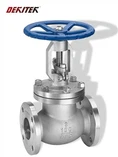

Hey there! As a supplier of Electric Actuator Gate Valves, I often get asked about the leakage rate of these valves. So, I thought I'd write a blog post to explain what it is, why it matters, and how it can affect your operations.
What is the Leakage Rate of an Electric Actuator Gate Valve?
The leakage rate of an electric actuator gate valve refers to the amount of fluid or gas that can pass through the valve when it's supposed to be fully closed. It's usually measured in units like cubic centimeters per minute (cc/min) or standard cubic feet per hour (SCFH), depending on the industry and application.
Leakage can occur due to various reasons. One common cause is wear and tear on the valve seats. Over time, the constant opening and closing of the valve can cause the seats to become damaged, allowing fluid to seep through. Another factor could be improper installation. If the valve isn't installed correctly, it might not seal properly, leading to leakage.
Why Does the Leakage Rate Matter?
The leakage rate is a crucial factor in many industries. In the oil and gas sector, for example, even a small amount of leakage can be a big deal. It can lead to the loss of valuable resources, not to mention the environmental impact. A leaky valve can also pose a safety risk, as it might allow flammable or toxic substances to escape.
In the water treatment industry, leakage can affect the efficiency of the treatment process. If too much water is leaking through the valves, it can disrupt the flow and reduce the effectiveness of the treatment. This can lead to poor water quality and increased costs.
How is the Leakage Rate Measured?
There are several methods to measure the leakage rate of an electric actuator gate valve. One common method is the bubble test. In this test, the valve is submerged in a liquid, and the number of bubbles that form when the valve is supposed to be closed is counted. Each bubble represents a certain amount of leakage.
Another method is the pressure decay test. In this test, the valve is pressurized to a certain level, and the pressure is monitored over time. If the pressure drops, it indicates that there is leakage.
Factors Affecting the Leakage Rate
Several factors can affect the leakage rate of an electric actuator gate valve. The material of the valve seats is one of the most important factors. Different materials have different levels of durability and resistance to wear. For example, Duplex Stainless Steel Gate Valve seats are known for their high corrosion resistance and durability, which can help reduce leakage.
The design of the valve also plays a role. A well-designed valve with a proper sealing mechanism is less likely to leak. The operating conditions, such as temperature and pressure, can also affect the leakage rate. High temperatures and pressures can cause the valve materials to expand or contract, which might lead to leakage.
Our Solutions for Low Leakage Rate
As a supplier of Electric Actuator Gate Valves, we understand the importance of a low leakage rate. That's why we offer a wide range of valves designed to minimize leakage.
Our Carbon Steel Flexible Wedge Gate Valve is a great option for many applications. The flexible wedge design allows for a better seal, reducing the chances of leakage. It's also made of high-quality carbon steel, which is strong and durable.
For more demanding applications, our Alloy Steel Pressure Seal Gate Valve is a top choice. The pressure seal design provides a tight seal even under high pressures, and the alloy steel material offers excellent corrosion resistance.
How to Choose the Right Valve for Your Needs
When choosing an electric actuator gate valve, it's important to consider the leakage rate requirements of your application. You should also think about the operating conditions, such as temperature, pressure, and the type of fluid or gas being used.
If you're not sure which valve is right for you, our team of experts is here to help. We can provide you with detailed information about our products and help you make an informed decision.
Conclusion
The leakage rate of an electric actuator gate valve is an important factor that can have a significant impact on your operations. By understanding what it is, why it matters, and how to measure it, you can make better decisions when choosing a valve.


At our company, we're committed to providing high-quality valves with low leakage rates. Whether you need a Duplex Stainless Steel Gate Valve, a Carbon Steel Flexible Wedge Gate Valve, or an Alloy Steel Pressure Seal Gate Valve, we've got you covered.
If you're interested in learning more about our products or have any questions about the leakage rate of our valves, don't hesitate to reach out. We're always happy to help you find the right solution for your needs.
References
- Valve Handbook, edited by J. S. Tuzson
- Industrial Valves: Selection, Specification, and Installation, by R. A. Streeter