



Hey there! As a supplier of Cast Steel Globe Valves, I often get asked about the different components of these valves and their functions. One part that always seems to spark curiosity is the bonnet. So, let's dive right in and talk about what the function of the bonnet in a cast steel globe valve is.
First off, what's a cast steel globe valve? It's a type of valve used to regulate the flow of a fluid in a pipeline. These valves are super common in all sorts of industries, like oil and gas, water treatment, and power generation. They're known for their reliability and durability, and the bonnet plays a crucial role in making them work effectively.
Sealing Function
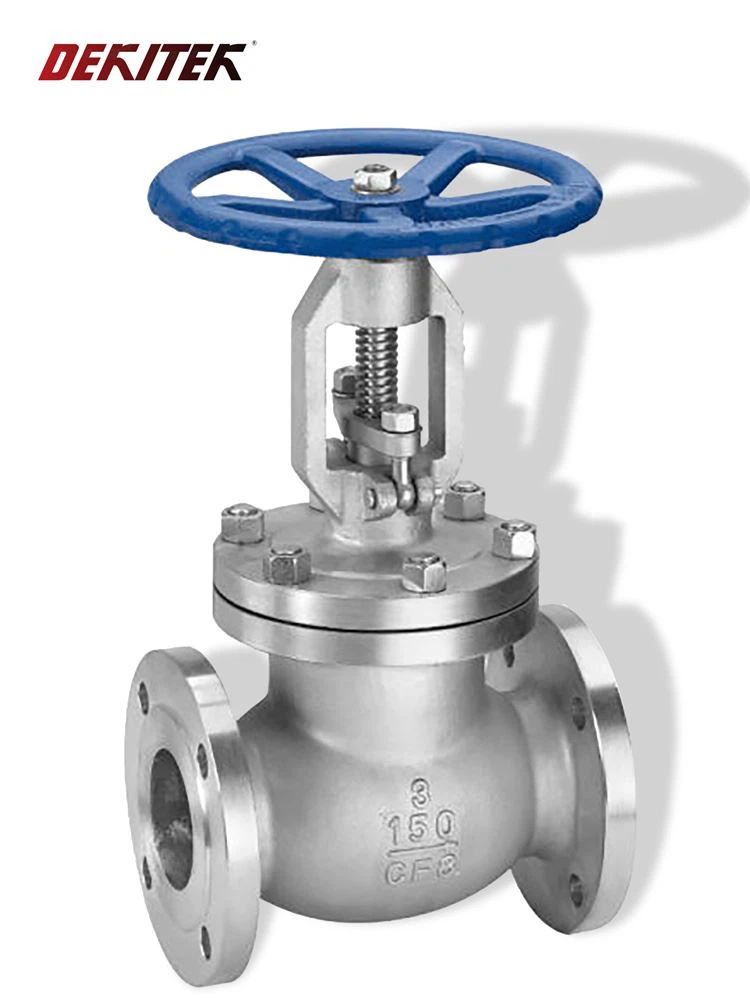
The primary function of the bonnet in a cast steel globe valve is to provide a seal. You see, the bonnet is basically the cover that sits on top of the valve body. It's designed to keep the fluid inside the valve from leaking out. When the valve is assembled, the bonnet is tightened onto the valve body, creating a tight seal. This is really important because if there were any leaks, it could lead to all sorts of problems, like loss of fluid, environmental hazards, and even safety risks.
The seal is usually achieved through the use of gaskets. These gaskets are made from materials like rubber, graphite, or metal, depending on the application. They're placed between the bonnet and the valve body to prevent any fluid from escaping. The bonnet has to be tightened just right to ensure that the gasket is compressed enough to create a good seal, but not so much that it gets damaged.
Access for Maintenance
Another important function of the bonnet is to provide access for maintenance. Over time, the internal components of a cast steel globe valve can wear out or get damaged. When this happens, you need to be able to get inside the valve to replace or repair these parts. That's where the bonnet comes in. By removing the bonnet, you can easily access the valve's internal parts, like the stem, disc, and seat.
This is a huge advantage because it means that you don't have to replace the entire valve every time something goes wrong. You can just replace the worn-out parts, which saves you time and money. Plus, it's much more environmentally friendly than throwing away a perfectly good valve just because one small part is broken.
Support for the Stem
The bonnet also provides support for the valve stem. The stem is the part of the valve that connects the handwheel or actuator to the disc. When you turn the handwheel or activate the actuator, the stem moves up and down, which in turn opens or closes the valve. The bonnet has a hole in the center where the stem passes through. It has bearings or bushings to guide the stem and keep it in place as it moves.
This support is crucial because it ensures that the stem moves smoothly and accurately. If the stem wasn't properly supported, it could wobble or bind, which would make it difficult to operate the valve. It could also cause premature wear on the stem and other internal components, reducing the valve's lifespan.
Different Types of Bonnets
There are different types of bonnets used in cast steel globe valves, each with its own advantages. One common type is the bolted bonnet. This type of bonnet is attached to the valve body using bolts. It's a very secure way of attaching the bonnet, and it's easy to remove for maintenance. However, it can be a bit time-consuming to install and remove, especially if you have to do it frequently.
Another type is the threaded bonnet. This bonnet is screwed onto the valve body. It's quick and easy to install and remove, but it may not provide as secure a seal as a bolted bonnet. Threaded bonnets are often used in smaller valves or in applications where the pressure is relatively low.
There's also the welded bonnet. As the name suggests, this bonnet is welded to the valve body. It provides a very strong and leak-proof seal, but it's not designed to be removed. Once the bonnet is welded on, you can't access the internal parts of the valve without cutting off the bonnet. Welded bonnets are typically used in high-pressure or high-temperature applications where a very secure seal is required.

Compatibility with Different Materials
At our company, we offer a wide range of cast steel globe valves, and we also have options for Stainless Steel Globe Valve and Alloy Steel Globe Valve. The bonnet has to be compatible with the material of the valve body. For example, if you're using a stainless steel globe valve, the bonnet should also be made of stainless steel or a material that can withstand the same conditions as stainless steel.
This compatibility is important because different materials have different properties. Stainless steel is known for its corrosion resistance, so if the bonnet wasn't made of a compatible material, it could corrode and fail, even if the valve body was still in good condition. That's why it's crucial to choose the right bonnet for your valve, depending on the application and the material of the valve body.
Conclusion
So, there you have it! The bonnet in a cast steel globe valve serves several important functions. It provides a seal to prevent leaks, gives you access for maintenance, supports the valve stem, and comes in different types to suit various applications. Whether you're in the market for a Stainless Steel Globe Valve, an alloy steel one, or a cast steel option, understanding the role of the bonnet is essential.
If you're looking for high-quality cast steel globe valves or have any questions about them, don't hesitate to reach out. We're here to help you find the right valve for your needs and provide you with all the support you need. Whether it's choosing the right bonnet type or getting advice on maintenance, we've got you covered. So, let's start a conversation and see how we can work together to meet your valve requirements.
References
- Valve Handbook, edited by Robert W. Daugherty
- Standards for Valves and Fittings, published by the American Society of Mechanical Engineers (ASME)