


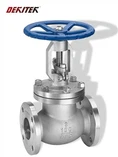

Hey there! As a ball valve supplier, I often get asked about the flow direction requirement for ball valves. It's a crucial topic, especially for those in industries where fluid control is a big deal. So, let's dive right in and break it down.
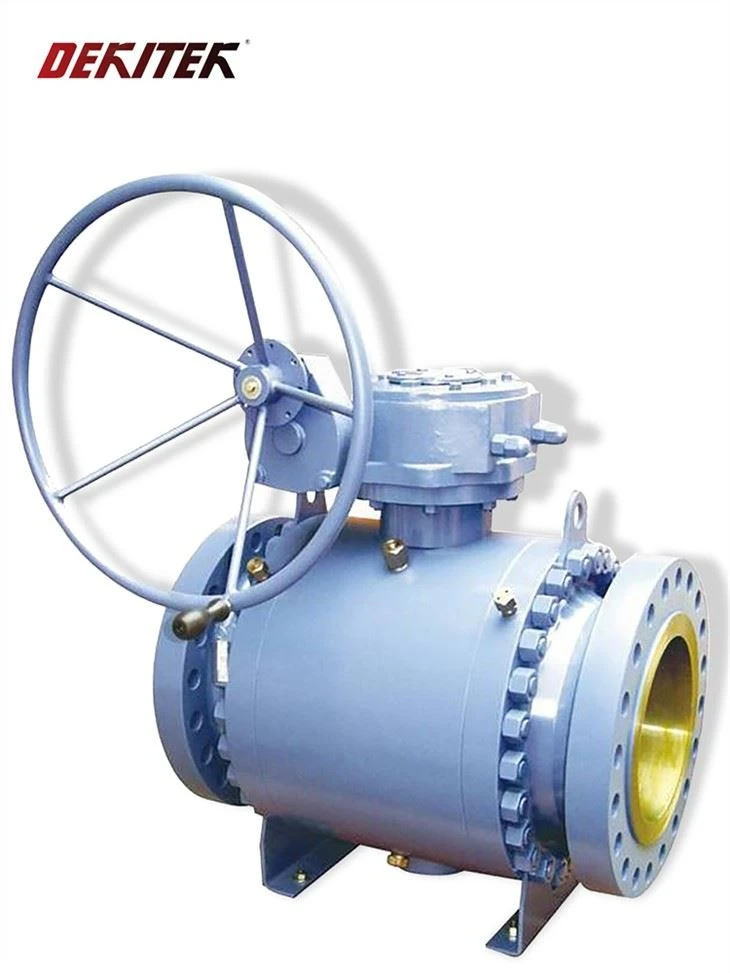
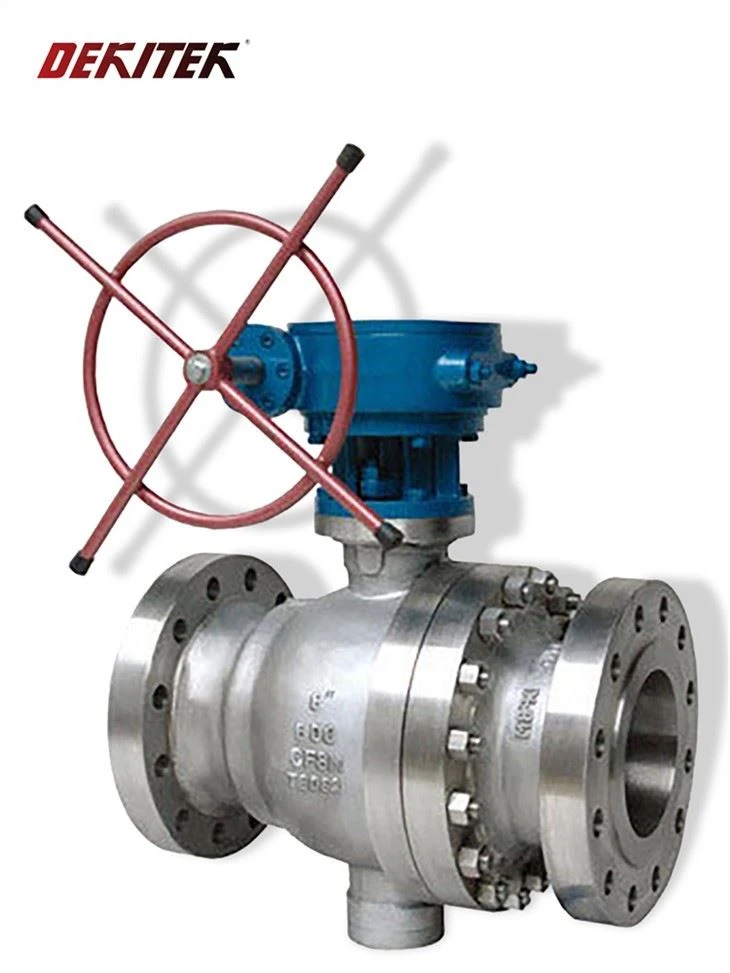
First off, what exactly is a ball valve? Well, it's a type of valve that uses a spherical disc to control the flow of a fluid. The ball has a hole, or port, through the middle. When the port is in line with the flow path, the valve is open, and fluid can pass through. When the ball is rotated 90 degrees, the port is perpendicular to the flow path, and the valve is closed, stopping the flow.
Now, onto the main question: what are the flow direction requirements for a ball valve? In general, most ball valves are bidirectional, which means they can handle flow in either direction. This is a huge advantage in many applications because it gives you more flexibility. You don't have to worry too much about which way the fluid is flowing when you're installing the valve.
For example, in a simple water supply system, you can install a bidirectional ball valve without having to stress about the flow direction. Whether the water is coming from the main supply line or being pumped back in a recycling system, the valve will work just fine.
However, there are some exceptions. Some ball valves are designed to be unidirectional. These valves have specific features that make them work better when the fluid flows in one particular direction. One reason for this is to improve sealing performance. In a unidirectional ball valve, the design might be optimized so that the pressure of the fluid helps to keep the valve sealed more effectively.
Let's say you're dealing with a high - pressure system. A unidirectional ball valve can be a great choice. The pressure from the fluid will push against the ball in a way that enhances the seal, reducing the risk of leakage. This is really important in industries like oil and gas, where even a small leak can be a big problem.
Another factor that can influence the flow direction requirement is the type of ball valve. There are different types out there, and each has its own characteristics.
One popular type is the Fully Welded Ball Valve. These valves are known for their durability and tight sealing. They're often used in pipelines where long - term reliability is crucial. Most fully welded ball valves are bidirectional, but in some specialized applications, they can be designed to be unidirectional.
The Trunnion Mounted Metal Seated Forged Ball Valve is another type. Trunnion - mounted ball valves are designed to handle high - pressure and high - temperature applications. They have a trunnion, which is a support structure that helps to keep the ball in place. These valves can be either bidirectional or unidirectional, depending on the specific design and the requirements of the application.
Similarly, the Trunnion Mounted Metal Seated Ball Valve also has a wide range of applications. In some cases, a unidirectional design might be preferred to ensure better performance under certain operating conditions.
When you're choosing a ball valve for your project, it's important to consider the flow direction requirements carefully. Here are some steps you can take:
- Analyze your system: Look at the overall layout of your fluid system. Consider factors like pressure, temperature, and the nature of the fluid. If you're dealing with a corrosive fluid, for example, you'll need a valve that can withstand the chemical attack.
- Check the valve specifications: The manufacturer's specifications will usually tell you whether the valve is bidirectional or unidirectional. Make sure to read these carefully and ask the supplier if you have any questions.
- Consult with an expert: If you're not sure which valve is right for your application, don't hesitate to reach out to a professional. As a ball valve supplier, we have a lot of experience in this area and can offer valuable advice.
In conclusion, understanding the flow direction requirement for a ball valve is essential for ensuring the proper functioning of your fluid system. Whether you need a bidirectional valve for its flexibility or a unidirectional valve for better sealing, there's a ball valve out there that's right for you.
If you're in the market for a ball valve, we're here to help. We offer a wide range of high - quality ball valves to meet your specific needs. Whether it's a fully welded ball valve, a trunnion - mounted metal - seated ball valve, or something else, we've got you covered. Contact us to start a discussion about your requirements and let's work together to find the perfect valve for your project.
References:
- Industry standards and guidelines for ball valve design and installation
- Manufacturer's documentation for various ball valve types