


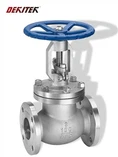

Hey there! As a supplier of Top Entry Ball Valves, I often get asked about the flow capacity of these valves. So, I thought I'd take a moment to break it down and give you all the deets.
First off, let's talk about what a Top Entry Ball Valve is. If you're curious, you can check out more info about Top Entry Ball Valve. It's a type of valve where the ball, which is the main shut - off element, can be accessed from the top of the valve body. This design makes it super easy for maintenance and repair, as you don't have to remove the entire valve from the pipeline.
Now, the flow capacity of a valve is a crucial factor. It basically tells you how much fluid (like gas or liquid) can pass through the valve under specific conditions. When it comes to Top Entry Ball Valves, there are a few things that affect their flow capacity.
Valve Size
One of the most obvious factors is the size of the valve. Just like a bigger pipe can carry more water than a smaller one, a larger Top Entry Ball Valve can handle a higher flow rate. For example, a 6 - inch valve will generally have a greater flow capacity than a 2 - inch valve. When you're choosing a valve, you need to think about the volume of fluid that needs to pass through the system. If you have a high - flow application, like in an industrial pipeline where large amounts of oil or gas are being transported, you'll definitely want a larger valve.
Ball Port Size
The size of the ball port also plays a huge role. There are different types of ball ports, such as full - port and reduced - port. A full - port ball valve has a ball port that is the same size as the pipeline, which means there's very little restriction to the flow. This results in a high flow capacity. On the other hand, a reduced - port ball valve has a smaller ball port than the pipeline, which restricts the flow to some extent. So, if you need maximum flow, a full - port Top Entry Ball Valve is the way to go.
Pressure Drop
Pressure drop is another important aspect related to flow capacity. Pressure drop is the decrease in pressure that occurs as the fluid flows through the valve. A valve with a high pressure drop will have a lower flow capacity because the fluid has to work harder to get through. Top Entry Ball Valves are designed to have relatively low pressure drops, especially full - port ones. This is because their smooth internal design allows the fluid to flow more freely. When you're looking at different valves, you can check the pressure drop ratings provided by the manufacturer to get an idea of how well the valve will perform in terms of flow.


Fluid Properties
The properties of the fluid itself also matter. Things like viscosity, density, and temperature can all affect the flow capacity of a Top Entry Ball Valve. For instance, a more viscous fluid, like honey, will flow more slowly through the valve compared to a less viscous fluid, like water. Similarly, the density of the fluid can impact the pressure required to move it through the valve. And temperature can change the viscosity and density of the fluid, so it's important to consider these factors when determining the appropriate valve for your application.
Valve Material and Finish
The material of the valve and its internal finish can also influence flow capacity. A valve made from a smooth - surfaced material will have less friction inside, which allows the fluid to flow more easily. For example, valves with a polished interior finish can reduce the resistance to flow. We offer different types of Top Entry Ball Valves made from various materials, and you can choose the one that best suits your fluid and application requirements.
Comparing with Other Types of Valves
When it comes to flow capacity, Top Entry Ball Valves often have an edge over some other types of valves. For example, compared to a gate valve, a Top Entry Ball Valve can provide a quicker opening and closing action, which can be beneficial in applications where rapid flow control is needed. And in terms of flow efficiency, as I mentioned earlier, the full - port design of a Top Entry Ball Valve can offer a very high flow rate, sometimes better than other valve designs.
We also have other related products like Forged Floating Soft Seated Ball Valve and Forged Floating Metal Seated Ball Valve. These valves have their own unique features and flow characteristics, and depending on your specific needs, they might be a great alternative or addition to your system.
In conclusion, the flow capacity of a Top Entry Ball Valve is determined by a combination of factors including valve size, ball port size, pressure drop, fluid properties, and valve material and finish. If you're in the market for a valve and need to figure out the right flow capacity for your application, don't hesitate to reach out. We're here to help you make the best choice for your project. Whether you're working on a small - scale plumbing job or a large - scale industrial installation, we can provide you with the right Top Entry Ball Valve and offer expert advice. So, if you're interested in discussing your valve requirements or getting a quote, just drop us a line. We're looking forward to helping you find the perfect valve solution for your needs.
References
- Valve Handbook: A Guide to Valve Selection and Application
- Industrial Pipeline Design and Fluid Flow Principles