



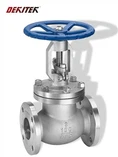

In the realm of nuclear power plants, the carbon steel flexible wedge gate valve plays a pivotal role. As a dedicated supplier of carbon steel flexible wedge gate valves, I am well - versed in the strict requirements these valves must meet to ensure the safe and efficient operation of nuclear power plants.
Material Requirements
The choice of carbon steel for the valve body is of utmost importance. The carbon steel used in nuclear power plant applications must have high purity. Impurities such as sulfur and phosphorus can significantly reduce the mechanical properties of the steel, especially its ductility and toughness. For example, excessive sulfur can lead to hot - shortness, which may cause cracking during the manufacturing process or under high - temperature and high - stress conditions in the nuclear power plant.
The carbon content in the steel also needs to be precisely controlled. A proper carbon content can enhance the strength of the valve body, but too high a carbon content can make the steel brittle. In nuclear power plants, where the valves may be subjected to sudden pressure changes and temperature fluctuations, the valve material must be able to withstand these challenges without failure. Additionally, the steel should have excellent corrosion resistance. Nuclear power plants often operate in harsh environments, with high - purity water and various chemical agents present. Corrosion can weaken the valve structure over time, leading to potential leaks and safety hazards. Our carbon steel flexible wedge gate valves are made from high - quality carbon steel that has been specially treated to resist corrosion, ensuring long - term reliability.
Design and Manufacturing Requirements
The design of the carbon steel flexible wedge gate valve must adhere to strict standards. The valve's sealing performance is crucial. A good seal prevents the leakage of radioactive fluids, which is of the highest priority in nuclear power plants. The flexible wedge design allows for better adaptation to different pressure and temperature conditions, ensuring a tight seal. The wedge should be able to expand and contract within a certain range to compensate for any minor misalignments or changes in the valve seat.


During the manufacturing process, precision is key. Every component of the valve, from the valve body to the stem and the wedge, must be manufactured with high accuracy. The surface finish of the valve seat and the wedge is critical for achieving a good seal. Any roughness or irregularities on these surfaces can lead to leakage. We use advanced machining techniques and quality control measures to ensure that the dimensions and surface finishes of our valves meet the strict requirements of nuclear power plants.
The valve's structural integrity is also a major concern. The valve body must be able to withstand high pressure and mechanical stress. The design should take into account factors such as the internal pressure of the fluid, the external forces acting on the valve, and the potential for seismic activity in the area where the nuclear power plant is located. Our valves are designed with reinforced structures and stress - relief features to ensure their stability under various conditions.
Performance Requirements
In nuclear power plants, the carbon steel flexible wedge gate valve must have excellent flow control capabilities. The valve should be able to open and close smoothly, allowing for precise regulation of the fluid flow. The flow coefficient of the valve should be accurately calculated and tested to ensure that it meets the specific requirements of the nuclear power plant's piping system.
The valve's operating temperature and pressure range are also strictly defined. Nuclear power plants often operate at high temperatures and pressures. Our carbon steel flexible wedge gate valves are designed to operate within a wide range of temperatures and pressures, from low - temperature startup conditions to high - temperature and high - pressure normal operation. The valve should be able to maintain its performance and sealing integrity throughout this entire range.
The valve's actuation system is another important aspect. In nuclear power plants, the valve may need to be operated remotely or automatically. The actuation system should be reliable and responsive, ensuring that the valve can be opened or closed quickly in case of an emergency. Our valves can be equipped with various actuation systems, such as electric, pneumatic, or hydraulic actuators, to meet the different needs of nuclear power plants.
Quality Assurance and Testing Requirements
Quality assurance is a continuous process in the production of carbon steel flexible wedge gate valves for nuclear power plants. Every valve undergoes a series of strict tests before leaving the factory. Non - destructive testing methods, such as ultrasonic testing, magnetic particle testing, and radiographic testing, are used to detect any internal defects in the valve body and components. Pressure testing is also carried out to ensure that the valve can withstand the specified pressure without leakage.
In addition to these standard tests, our valves are also subjected to special tests for nuclear applications. These tests may include tests for radiation resistance, as the valves may be exposed to radiation in the nuclear power plant environment. We follow international standards and guidelines, such as those set by the American Society of Mechanical Engineers (ASME) and the Nuclear Regulatory Commission (NRC), to ensure that our valves meet the highest safety and quality requirements.
Comparison with Other Types of Gate Valves
While carbon steel flexible wedge gate valves are widely used in nuclear power plants, there are other types of gate valves available, such as the Alloy Steel Pressure Seal Gate Valve, Duplex Stainless Steel Gate Valve, and High Pressure And High Temperature Gate Valves. Alloy steel pressure seal gate valves are often used in high - pressure applications. They offer high strength and good sealing performance, but they may be more expensive than carbon steel valves. Duplex stainless steel gate valves have excellent corrosion resistance, which makes them suitable for applications where corrosion is a major concern. High - pressure and high - temperature gate valves are designed specifically for extreme operating conditions. However, carbon steel flexible wedge gate valves offer a good balance between cost, performance, and reliability, making them a popular choice for many nuclear power plant applications.
Conclusion
In conclusion, the carbon steel flexible wedge gate valve in a nuclear power plant is subject to a wide range of strict requirements, from material selection and design to manufacturing, performance, and quality assurance. As a supplier, we are committed to meeting these requirements to provide our customers with high - quality and reliable valves. Our valves are designed and manufactured to the highest standards, ensuring the safe and efficient operation of nuclear power plants.
If you are in the market for carbon steel flexible wedge gate valves for your nuclear power plant or other industrial applications, we would be delighted to discuss your specific needs with you. Our team of experts can provide you with detailed information and technical support. Contact us to start a procurement negotiation and find the best valve solutions for your project.
References
- American Society of Mechanical Engineers (ASME) Boiler and Pressure Vessel Code
- Nuclear Regulatory Commission (NRC) Regulations
- Industry standards and guidelines for nuclear power plant valves