


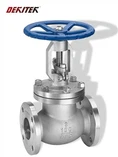

Hey there! As a check valve supplier, I often get asked about the installation requirements for check valves. It's a crucial topic because getting the installation right can make a huge difference in the performance and lifespan of these valves. So, let's dive into what you need to know.
1. Location Selection
First off, picking the right location for your check valve is super important. You want to place it in a spot where it can effectively prevent backflow. For example, in a pipeline system, it should be installed close to the equipment that needs protection from reverse flow. This could be a pump or a compressor.
If you're dealing with a system that has multiple branches, make sure to install the check valve at the junction where backflow is most likely to occur. Also, avoid installing it in areas with high vibration or excessive mechanical stress. These conditions can cause the valve to malfunction over time.
2. Pipe Size and Compatibility
The pipe size is another key factor. The check valve you choose must have the same nominal diameter as the pipeline it's going to be installed in. Mismatched sizes can lead to flow restrictions, increased pressure drop, and even valve failure.
It's also essential to ensure that the valve's end connections are compatible with the pipeline. There are different types of end connections, such as butt - weld, flange, and threaded. For instance, if you're looking for a high - quality butt - weld check valve, you might be interested in our API 6D BW Check Valve. And for flange end applications, our API6D Flange End Swing Type Check Valve is a great option.
3. Orientation
The orientation of the check valve matters a lot. Most swing check valves should be installed in a horizontal pipeline with the hinge pin in a horizontal position. This allows the disc to swing freely and close properly when there's backflow.
For lift check valves, they can be installed in both horizontal and vertical pipelines. However, when installing them vertically, the flow should be in the upward direction. This ensures that the disc can lift and allow forward flow smoothly and then drop down to prevent backflow.
4. Pipeline Preparation
Before installing the check valve, you need to prepare the pipeline properly. Clean the pipeline thoroughly to remove any debris, dirt, or welding slag. These contaminants can damage the valve's internal components and affect its performance.
Check the pipeline for any misalignment. Even a small misalignment can cause stress on the valve and lead to leakage or premature failure. If there's misalignment, correct it before installing the valve.
5. Mounting and Installation
When mounting the check valve, use the appropriate tools and follow the manufacturer's instructions. For flange - connected valves, make sure to tighten the bolts evenly to avoid uneven stress on the valve body.
If it's a butt - weld valve, the welding process should be carried out by a qualified welder. The welding parameters, such as current, voltage, and welding speed, should be set correctly to ensure a strong and leak - free weld.
6. Pressure and Temperature Considerations
You need to know the operating pressure and temperature of the system where the check valve will be installed. The valve must be rated to handle these conditions. Using a valve with a lower pressure or temperature rating can result in valve failure and safety hazards.
For high - pressure applications, choose a check valve with a robust design and high - strength materials. Similarly, for high - temperature applications, select a valve made of materials that can withstand the heat without losing their mechanical properties.
7. Testing
After installation, it's crucial to test the check valve. Conduct a pressure test to check for any leaks. You can use a pressure gauge to monitor the pressure and ensure that it remains stable during the test.


Also, perform a flow test to verify that the valve opens and closes properly. This will help you confirm that the valve is functioning as intended and that there are no issues with the installation.
8. Maintenance Access
Finally, consider the ease of maintenance when installing the check valve. Make sure there's enough space around the valve for future inspection, repair, and replacement. If the valve is difficult to access, it can be a headache when it comes time to perform maintenance tasks.
In conclusion, proper installation of a check valve is essential for its optimal performance and long - term reliability. By following these installation requirements, you can ensure that your check valve works effectively and provides the protection your system needs.
If you're in the market for high - quality check valves or have any questions about installation or product selection, don't hesitate to reach out to us. We're here to help you find the right solutions for your specific needs. Let's start a conversation and see how we can work together to make your pipeline system more efficient and reliable.
References
- Valve Handbook, various editions
- Manufacturer's installation guides for check valves
- Industry standards related to valve installation and operation