


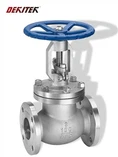

As a supplier of check valves, I've witnessed firsthand how environmental factors can significantly impact the performance and lifespan of these crucial components. Check valves are designed to allow fluid to flow in one direction while preventing backflow, and various environmental elements can influence their functionality. In this blog post, I'll explore the key environmental factors that can affect a check valve and discuss how to mitigate their potential negative effects.
Temperature
Temperature is one of the most critical environmental factors that can affect a check valve. Extreme temperatures, whether high or low, can cause the materials of the check valve to expand or contract, leading to changes in dimensions and potential leaks.
High Temperatures
High temperatures can have several adverse effects on a check valve. First, the thermal expansion of the valve's components can cause misalignment between the valve seat and the disc, resulting in reduced sealing performance. Second, high temperatures can degrade the elastomeric seals used in some check valves, leading to loss of flexibility and increased leakage. For example, in a steam application where temperatures can reach several hundred degrees Celsius, a check valve with inadequate heat resistance may experience seal failure and reduced efficiency.
Low Temperatures
Conversely, low temperatures can also pose challenges for check valves. At low temperatures, the fluid viscosity may increase, making it more difficult for the valve to open and close properly. Additionally, some materials may become brittle in cold conditions, increasing the risk of cracking or breakage. In cryogenic applications, such as those involving liquefied natural gas (LNG), special check valves designed to withstand extremely low temperatures are required to ensure reliable operation.
To address temperature-related issues, it's essential to select check valves made from materials with appropriate temperature ratings. For high-temperature applications, valves constructed from heat-resistant alloys like stainless steel or nickel-based alloys are often recommended. For low-temperature applications, materials with good cold resistance, such as certain types of plastics or special alloys, should be used.
Pressure
Pressure is another significant environmental factor that can affect the performance of a check valve. Check valves are designed to operate within specific pressure ranges, and exceeding these limits can lead to valve failure.
High Pressure
High-pressure conditions can cause excessive stress on the check valve components, leading to deformation or rupture. The valve disc may be forced against the seat with such force that it becomes difficult to open or close properly. In extreme cases, the valve body may crack under the high pressure, resulting in a complete loss of functionality. For example, in a high-pressure pipeline system, a check valve that is not rated for the operating pressure may experience internal damage and fail to prevent backflow.
Low Pressure
On the other hand, low-pressure conditions can also present challenges. If the pressure differential across the check valve is too low, the valve may not open fully, leading to reduced flow capacity. This can be particularly problematic in systems where a certain flow rate is required for proper operation.
To ensure the proper functioning of check valves under different pressure conditions, it's crucial to select valves with appropriate pressure ratings. Manufacturers typically provide pressure ratings for their check valves, indicating the maximum and minimum pressures at which the valve can operate safely. It's also important to consider the pressure fluctuations that may occur in the system and select a valve that can handle these variations.
Fluid Composition
The composition of the fluid flowing through the check valve can have a significant impact on its performance and durability. Different fluids have different chemical properties, and some may be corrosive, abrasive, or contain contaminants that can damage the valve.
Corrosion
Corrosive fluids, such as acids, alkalis, or saltwater, can cause the check valve components to corrode over time. Corrosion can lead to pitting, thinning of the valve walls, and degradation of the sealing surfaces, resulting in leakage and reduced performance. For example, in a chemical processing plant, check valves used in pipelines carrying corrosive chemicals need to be made from corrosion-resistant materials, such as titanium or special coatings, to prevent corrosion.
Abrasion
Abrasive fluids containing solid particles, such as sand or gravel, can cause wear and tear on the check valve components. The particles can scratch the valve seat and disc, reducing the sealing performance and increasing the risk of leakage. In applications where abrasive fluids are present, check valves with hardened surfaces or wear-resistant linings are often used to extend their lifespan.
Contaminants
Fluids containing contaminants, such as dirt, debris, or microorganisms, can also affect the performance of a check valve. The contaminants can accumulate on the valve components, preventing the valve from opening or closing properly. In some cases, the contaminants can cause blockages in the valve, leading to reduced flow or complete valve failure. To prevent contamination issues, proper filtration systems should be installed upstream of the check valve to remove the contaminants from the fluid.


Humidity and Moisture
Humidity and moisture in the environment can also have an impact on the check valve. High humidity levels can cause corrosion on the external surfaces of the valve, especially if the valve is made from materials that are prone to rusting. Moisture can also penetrate the valve internals, leading to the growth of mold or bacteria, which can affect the valve's performance and reliability.
To protect check valves from humidity and moisture, proper storage and installation practices should be followed. Valves should be stored in a dry environment, and if they are installed outdoors or in a humid area, they should be protected with appropriate enclosures or coatings. Additionally, regular maintenance and inspection can help detect and address any moisture-related issues before they cause significant damage.
Vibration and Shock
Vibration and shock can occur in industrial environments due to various factors, such as equipment operation, pipeline movement, or seismic activity. These dynamic forces can affect the performance of a check valve by causing the valve components to vibrate or move, leading to misalignment or damage.
Vibration can cause the valve disc to chatter, which can lead to premature wear of the seat and disc surfaces. It can also loosen the valve fasteners, increasing the risk of leakage. Shock, on the other hand, can cause sudden and excessive forces on the valve, potentially leading to structural damage or failure.
To minimize the impact of vibration and shock on check valves, proper mounting and support should be provided. Valves should be installed on a stable surface and secured with appropriate fasteners. In some cases, vibration dampers or shock absorbers may be used to reduce the dynamic forces acting on the valve.
Conclusion
In conclusion, several environmental factors, including temperature, pressure, fluid composition, humidity, and vibration, can affect the performance and lifespan of a check valve. As a check valve supplier, it's important to understand these factors and provide customers with appropriate solutions to ensure the reliable operation of their systems.
When selecting a check valve, it's crucial to consider the specific environmental conditions of the application. By choosing valves made from suitable materials, with appropriate ratings, and taking necessary precautions to protect against environmental factors, the risk of valve failure can be significantly reduced.
If you're in need of high-quality check valves for your application, we offer a wide range of products, including API 6D BW Check Valve and API6D Flange End Swing Type Check Valve. Our team of experts can help you select the right valve for your specific needs and provide technical support throughout the installation and operation process. Contact us today to discuss your requirements and start a procurement negotiation.
References
- ASME B16.34 - Valves - Flanged, Threaded, and Welding End
- API 6D - Specification for Pipeline Valves
- ISO 5208 - Industrial valves - Pressure testing of valves