



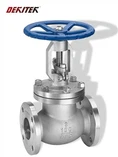

Hey there! As a supplier of butterfly valves, I've seen my fair share of valve - related issues. Troubleshooting a butterfly valve can seem like a daunting task, but with the right know - how, you can get it up and running smoothly in no time.
First off, let's understand what a butterfly valve is. It's a type of quarter - turn valve that uses a disk to control the flow of fluid through a pipe. They're used in a wide range of industries, from water treatment to oil and gas. Now, let's dive into the common problems and how to fix them.
Leakage
One of the most common issues with butterfly valves is leakage. There are a few reasons why this might happen.
Worn Seals
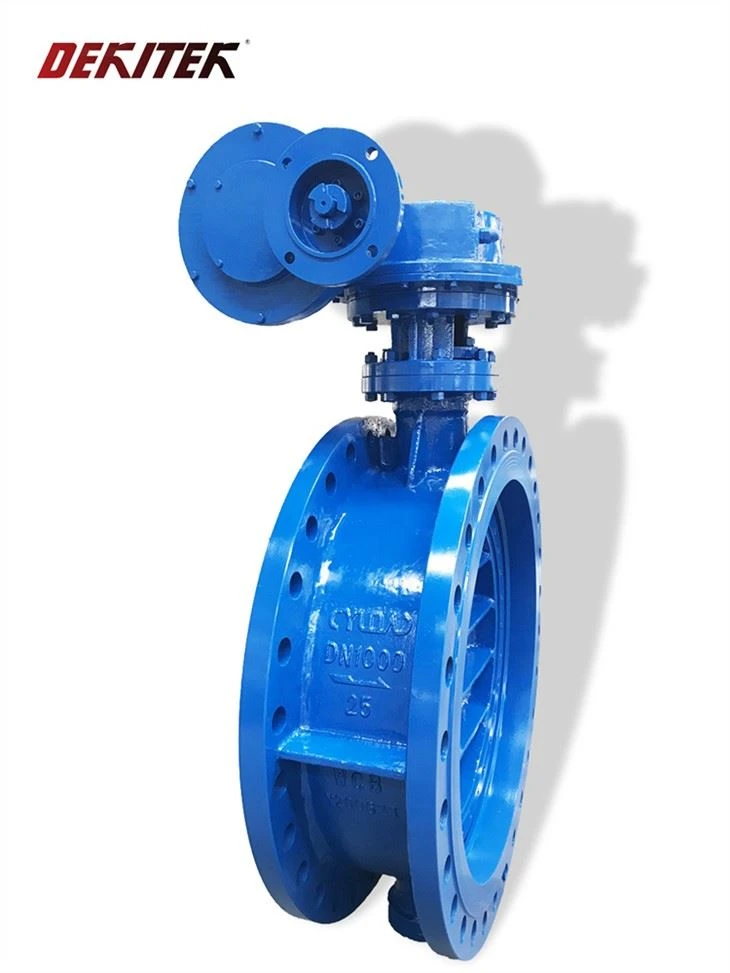
The seals in a butterfly valve are crucial for preventing leaks. Over time, these seals can wear out due to constant friction, exposure to harsh chemicals, or high - pressure conditions. If you suspect worn seals, you'll need to inspect them. Shut off the flow of fluid in the pipeline and carefully remove the valve cover. Check the seals for signs of damage, such as cracks, tears, or excessive wear. If the seals are indeed worn, you'll need to replace them. Make sure to use high - quality replacement seals that are compatible with your valve model. For example, if you have a Double Offset Flange End Type Butterfly Valve, ensure the new seals are designed for that specific type.
Improper Installation
Sometimes, leakage can be caused by improper installation. If the valve isn't installed correctly, it might not form a proper seal. Check if the valve is properly aligned within the pipeline. The flanges should be bolted tightly and evenly to prevent any gaps. Also, make sure that the valve is installed in the correct orientation. Some butterfly valves have a specific flow direction, and installing them backwards can lead to leakage.
Difficulty in Operation
If you're having trouble opening or closing the butterfly valve, there are a few things to look into.
Corrosion
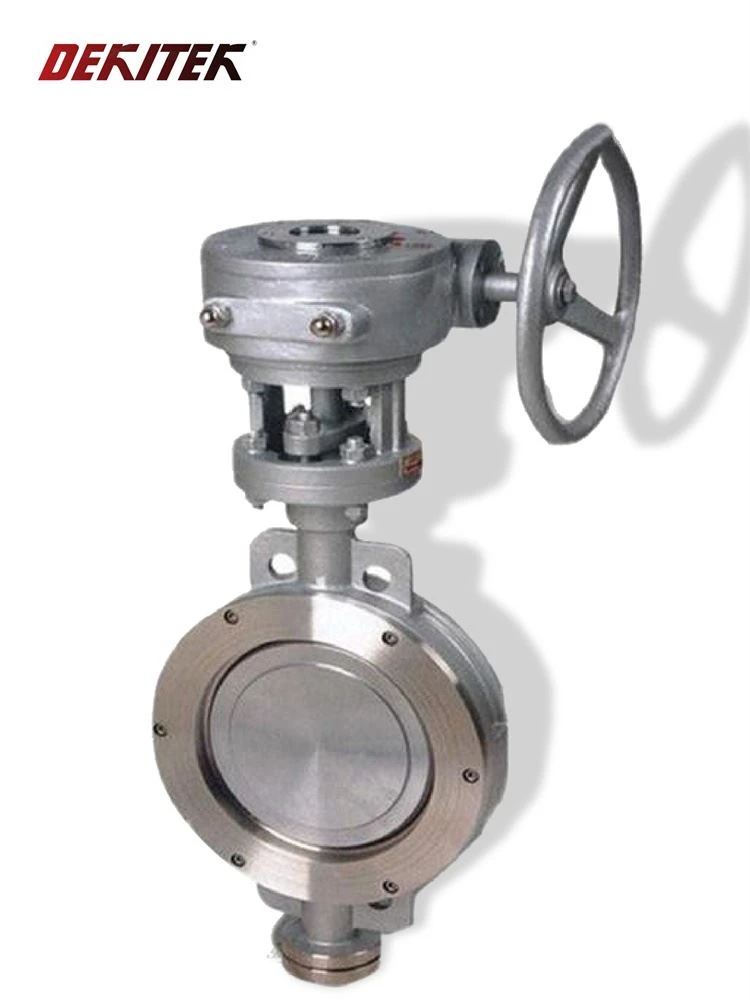
Corrosion can cause the valve components to seize up, making it difficult to operate. This is especially common in environments where the fluid contains corrosive substances or in areas with high humidity. Inspect the valve stem, disk, and other moving parts for signs of corrosion. If you notice rust or other forms of corrosion, you can try to clean the affected parts using a wire brush or a suitable cleaning agent. However, if the corrosion is severe, you might need to replace the damaged components. For instance, in a BW Type Metal Sealing Butterfly Valve, the metal parts are more prone to corrosion, so regular inspection is a must.
Foreign Objects
Foreign objects can get stuck inside the valve, preventing it from operating smoothly. This could be debris from the pipeline, such as sand, dirt, or small pieces of metal. To check for foreign objects, remove the valve cover and visually inspect the interior. If you find any debris, carefully remove it using a pair of tweezers or a small brush. You might also want to flush the pipeline to prevent further debris from entering the valve.
Inaccurate Flow Control
If the butterfly valve isn't controlling the flow of fluid accurately, it can lead to inefficiencies in your system.
Calibration Issues
The valve might need to be calibrated correctly. Over time, the settings of the valve can get off - kilter due to normal wear and tear. To calibrate the valve, you'll need to use a flow meter to measure the actual flow rate through the valve. Compare this with the desired flow rate. If there's a discrepancy, adjust the valve position accordingly. Some modern butterfly valves come with built - in calibration mechanisms that make this process easier. For a Triple Offset Wafer Type Butterfly Valve, the calibration process might be a bit more complex due to its design, so it's advisable to follow the manufacturer's instructions carefully.
Damaged Disk
The disk of the butterfly valve is responsible for regulating the flow. If it's damaged, it won't be able to control the flow accurately. Inspect the disk for any signs of damage, such as dents, cracks, or warping. If the disk is damaged, you'll need to replace it. Make sure to choose a disk that is the right size and shape for your valve.
Noisy Operation
A noisy butterfly valve can be a sign of underlying problems.
Cavitation
Cavitation occurs when the pressure of the fluid drops below its vapor pressure, causing bubbles to form and collapse. This can create a loud noise and also damage the valve components over time. To prevent cavitation, you can try to adjust the flow rate or the pressure in the pipeline. You might also need to install a pressure - reducing valve upstream of the butterfly valve to maintain a stable pressure.
Loose Components
Loose components within the valve can also cause noise. Check all the bolts, nuts, and other fasteners to make sure they're tightened properly. If any of the components are loose, tighten them using the appropriate tools.
In conclusion, troubleshooting a butterfly valve involves a systematic approach. By carefully inspecting the valve for common issues such as leakage, difficulty in operation, inaccurate flow control, and noisy operation, you can identify and fix the problems. As a butterfly valve supplier, I'm here to help you with any technical support you might need. Whether you need replacement parts, advice on installation, or assistance with troubleshooting, don't hesitate to reach out. If you're in the market for a new butterfly valve or looking to upgrade your existing one, we have a wide range of high - quality valves to meet your needs. Contact us for a detailed discussion and let's find the perfect solution for your pipeline system.
References
- Valve Handbook: A Guide to Selection, Sizing, and Installation
- Industrial Valve Maintenance and Troubleshooting Manual