



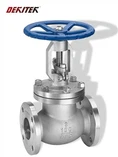

Hey there! As a ball valve supplier, I've seen my fair share of ball valve issues. Ball valves are super handy in a bunch of industries, but like any piece of equipment, they can run into problems. In this blog, I'm gonna share some tips on how to troubleshoot a ball valve.
1. Understanding the Basics of Ball Valves
First off, let's quickly go over what a ball valve is. A ball valve is a quarter - turn valve that uses a spherical disc to control the flow of fluids. The ball has a hole in the middle, and when the valve is open, the hole aligns with the pipe, allowing fluid to pass through. When it's closed, the solid part of the ball blocks the flow.
We offer different types of ball valves, like the Trunnion Mounted Soft Seated Forged Ball Valve, the Trunnion Mounted Soft Seated Ball Valve, and the Forged Floating Soft Seated Ball Valve. Each type is designed for specific applications, and understanding the type you're working with is the first step in troubleshooting.
2. Common Ball Valve Problems and Solutions
Leaking Ball Valve
One of the most common issues is a leaking ball valve. There could be a few reasons for this:
- Seal Damage: The valve seals, which are usually made of rubber or other soft materials, can wear out over time due to continuous use, high pressure, or exposure to harsh chemicals. If you suspect seal damage, you'll need to access the valve body and inspect the seals. In some cases, you can replace the seals yourself if you have the right tools and replacement parts. Look for signs of cracks, tears, or excessive wear on the seals.
- Cracked Valve Body: High - pressure surges, physical damage, or even corrosion can cause the valve body to crack. A cracked valve body is a serious issue. You'll likely notice a significant leak, and if you suspect a cracked body, you should shut off the fluid supply immediately. In most cases, a cracked valve body will need to be replaced. You can visually inspect the valve body for cracks, especially in areas where the valve has been subject to stress, like near the connections.
- Improper Installation: If the valve wasn't installed correctly, it can lead to leaks. Make sure the valve is properly aligned with the pipes, and all connections are tightened to the correct torque. Over - tightening can also damage the seals, so it's important to follow the manufacturer's installation instructions.
Difficulty in Turning the Valve
If you're having a hard time turning the ball valve handle, there are several things to check:
- Debris in the Valve: Over time, dirt, sediment, or other debris can accumulate inside the valve. This can jam the ball and make it difficult to turn. You can try flushing the valve with a cleaning solution if possible. If the debris is stubborn, you may need to disassemble the valve and clean the parts manually. Be careful when disassembling the valve to avoid damaging any components.
- Stem Binding: The valve stem connects the handle to the ball. If the stem is bent, damaged, or not properly lubricated, it can cause binding. Check the stem for any signs of damage, and if necessary, lubricate it with a suitable valve lubricant. Make sure to use a lubricant that is compatible with the valve materials.
- High - Pressure Conditions: In some cases, high pressure in the system can make it harder to turn the valve. If this is the case, you may need to relieve the pressure first before attempting to operate the valve.
Valve Not Closing or Opening Completely
When a ball valve doesn't close or open fully, it can affect the flow control of the system.
- Ball Misalignment: The ball inside the valve may be misaligned. This could be due to improper installation or physical shock to the valve. To fix this, you may need to disassemble the valve and realign the ball. Make sure to follow the correct alignment procedure to ensure proper operation.
- Worn - Out Components: Components like the seats or the ball itself can wear out over time, preventing the valve from closing or opening completely. Inspect these components for wear and replace them if necessary.
3. Preventive Maintenance
Preventive maintenance is key to avoiding ball valve problems. Here are some tips:
- Regular Inspections: Set up a regular inspection schedule. Check the valve for leaks, signs of wear, and proper operation. Look for any visible damage to the valve body, seals, and stem.
- Lubrication: Lubricate the valve stem regularly to ensure smooth operation. Use a lubricant recommended by the valve manufacturer.
- Cleaning: Keep the valve and its surroundings clean. This helps prevent debris from entering the valve and causing problems.
4. When to Seek Professional Help
Sometimes, troubleshooting a ball valve can be beyond your capabilities, especially if you don't have the right tools or expertise. Here are some situations where you should call in a professional:


- Complex Repairs: If the valve requires major repairs, like replacing the entire valve body or complex internal components, it's best to let a professional handle it.
- Safety Concerns: Working with high - pressure systems or hazardous fluids can be dangerous. If you're not confident in your ability to troubleshoot the valve safely, don't take any risks and call a professional.
5. Contact Us for Your Ball Valve Needs
If you're dealing with ball valve issues or are in the market for a new ball valve, we're here to help. Our team of experts can provide you with the right advice and high - quality ball valves for your specific application. Whether you need a Trunnion Mounted Soft Seated Forged Ball Valve, a Trunnion Mounted Soft Seated Ball Valve, or a Forged Floating Soft Seated Ball Valve, we've got you covered. Reach out to us to discuss your requirements and get started on finding the perfect ball valve solution for you.
References
- "Valve Handbook" (Generic valve - related information source)
- Manufacturer's manuals for the ball valves we supply