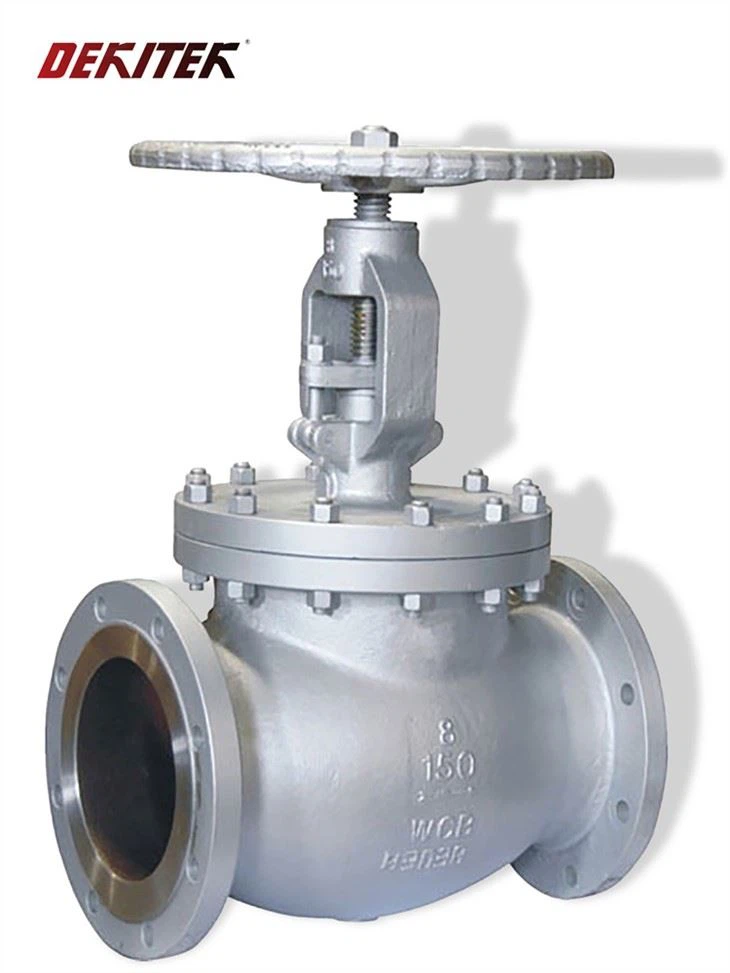



As a supplier of Stainless Steel Globe Valves, I'm often asked about the proper operation of non-rising-stem stainless steel globe valves. These valves are widely used in various industries due to their excellent performance and durability. In this blog, I'll share some detailed insights on how to operate them effectively.
Understanding the Non - Rising - Stem Stainless Steel Globe Valve
Before diving into the operation, it's essential to understand the basic structure and function of a non - rising - stem stainless steel globe valve. The non - rising stem design means that the stem does not move up and down as the valve is opened or closed. Instead, the disc moves along the stem inside the valve body. Stainless steel construction provides high corrosion resistance, making these valves suitable for use in harsh environments, such as chemical processing plants, water treatment facilities, and food and beverage industries.
Pre - operation Checks
- Visual Inspection
- Before operating the valve, conduct a thorough visual inspection. Check for any signs of damage, such as cracks in the valve body, leaks around the packing gland, or corrosion on the stem. If any damage is detected, it should be addressed immediately. For example, if there is a small crack in the valve body, it could lead to a significant leak under high pressure.
- Valve Position
- Ensure that the valve is in the correct starting position. If it's a new installation, make sure it's installed in the proper orientation according to the flow direction indicated on the valve body. In most cases, the arrow on the valve body shows the direction of the preferred flow.
- Lubrication
- Check the lubrication of the valve stem and other moving parts. Proper lubrication reduces friction and wear, ensuring smooth operation. Use a lubricant recommended by the valve manufacturer.
Opening the Valve
- Determine the Operating Torque
- Different non - rising - stem stainless steel globe valves have different operating torques. Refer to the valve's technical documentation to find out the recommended operating torque. This information is crucial as over - torquing can damage the valve, while under - torquing may result in an incomplete seal.
- Use the Correct Tools
- Use the appropriate tools to operate the valve. For most non - rising - stem globe valves, a handwheel or a wrench is used. If the valve is large or operates under high pressure, a power - operated actuator may be required.
- Slow and Steady Opening
- When opening the valve, turn the handwheel or operate the actuator slowly and steadily. This allows the fluid to flow gradually, reducing the risk of water hammer. Water hammer can cause damage to the valve and the entire piping system. As the valve opens, monitor the flow rate and pressure in the system. You can use pressure gauges and flow meters installed in the pipeline.
Closing the Valve
- Shut - off Procedure
- Similar to opening, closing the valve should also be done slowly. As the valve approaches the fully closed position, be more cautious. The final turn of the handwheel should be made with just enough force to achieve a tight seal. Over - tightening can damage the valve seat and disc.
- Check for Leaks
- After closing the valve, check for any leaks around the valve body, connections, and packing gland. A small leak can lead to significant losses over time, especially in systems handling expensive or hazardous fluids.
- Locking the Valve (if applicable)
- In some applications, it may be necessary to lock the valve in the closed position. This can prevent unauthorized opening and ensure the safety of the system. Use a lock or a valve position indicator with a locking mechanism.
Maintenance and Troubleshooting
- Regular Maintenance
- Regular maintenance is essential to keep the non - rising - stem stainless steel globe valve in good working condition. This includes cleaning the valve, replacing worn - out parts such as gaskets and packing, and lubricating the moving parts. A maintenance schedule should be established based on the valve's usage and the operating environment.
- Troubleshooting Common Problems
- Leaking: If the valve is leaking, first check the packing gland. Tightening the packing gland nuts may solve the problem. If the leak persists, it could be due to a damaged valve seat or disc. In this case, the valve may need to be disassembled and the damaged parts replaced.
- Difficulty in Operation: If it's difficult to turn the handwheel or operate the actuator, it could be due to lack of lubrication, a damaged stem, or debris in the valve. Clean the valve and check for any signs of damage. Lubricate the stem and other moving parts as needed.
Advantages of Stainless Steel Globe Valves
Stainless steel globe valves, including non - rising - stem types, offer several advantages. They have excellent corrosion resistance, which means they can be used in a wide range of applications, from handling water to highly corrosive chemicals. Their design allows for precise flow control, making them suitable for applications where accurate regulation of fluid flow is required. Additionally, they are durable and can withstand high pressures and temperatures.

If you're interested in other types of globe valves, we also offer Alloy Steel Globe Valve and Alloy Steel Globe Valve. For more information about our Stainless Steel Globe Valve, please feel free to contact us for procurement and further discussion.

References
- Valve Manufacturer's Technical Manuals
- Industry Standards for Valve Operation and Maintenance
I hope this blog has provided you with valuable information on how to operate a non - rising - stem stainless steel globe valve. If you have any further questions or need more detailed advice, don't hesitate to reach out.