


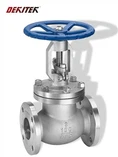

Maintaining a fully welded ball valve is crucial for ensuring its long - term performance, reliability, and safety. As a leading supplier of fully welded ball valves, I understand the significance of proper maintenance and am here to share some valuable insights on how to keep these valves in optimal condition.
Regular Visual Inspection
The first step in maintaining a fully welded ball valve is conducting regular visual inspections. This should be done at least once a month, depending on the valve's usage and the operating environment. During the inspection, check for any signs of external damage such as cracks, dents, or corrosion on the valve body. Look closely at the welds; any signs of cracking or separation in the welds can be a serious issue as fully welded ball valves rely on these welds for their structural integrity.
Also, examine the valve's actuator (if it has one). Check for loose connections, damaged wiring, or any signs of wear on the actuator components. A malfunctioning actuator can prevent the valve from opening or closing properly, leading to operational disruptions.
Lubrication
Proper lubrication is essential for the smooth operation of a fully welded ball valve. The moving parts, such as the ball and the stem, need to be lubricated regularly to reduce friction and prevent premature wear. Use a high - quality lubricant recommended by the valve manufacturer.
The frequency of lubrication depends on the valve's usage and the type of media it is handling. For valves in continuous operation, lubrication may be required every three to six months. When applying the lubricant, make sure to follow the manufacturer's instructions carefully. Over - lubrication can also cause problems, such as attracting dirt and debris, which can clog the valve.
Pressure and Temperature Monitoring
Monitoring the pressure and temperature of the system in which the fully welded ball valve is installed is vital. Excessive pressure or temperature can cause damage to the valve components. High pressure can lead to leaks, valve seat damage, or even structural failure of the valve body. Similarly, extreme temperatures can affect the performance of the valve's seals and lubricants.
Install pressure and temperature sensors near the valve to continuously monitor these parameters. Set up alarms to alert you if the pressure or temperature exceeds the recommended limits. This proactive approach can help you take corrective actions before any significant damage occurs.
Cleaning
Over time, debris, sediment, and other contaminants can accumulate inside the valve, affecting its performance. Regular cleaning is necessary to remove these contaminants. The cleaning frequency depends on the nature of the media flowing through the valve. For valves handling dirty or viscous fluids, cleaning may be required more frequently, perhaps every six months.
To clean the valve, first, isolate it from the system and relieve the pressure. Then, carefully disassemble the valve (if possible) and clean each component using a suitable cleaning agent. Make sure to rinse the components thoroughly to remove any traces of the cleaning agent. After cleaning, dry the components completely before reassembling the valve.
Seal Inspection and Replacement
The seals in a fully welded ball valve play a critical role in preventing leaks. Inspect the seals regularly for signs of wear, damage, or degradation. Look for cracks, tears, or signs of hardening in the seals. If any issues are detected, replace the seals immediately with genuine replacement parts from the manufacturer.
Seal replacement should be carried out by trained personnel to ensure proper installation. Incorrectly installed seals can lead to leaks and reduced valve performance.
Testing
Periodic testing of the fully welded ball valve is essential to verify its functionality. There are several types of tests that can be performed, including pressure tests and leak tests.

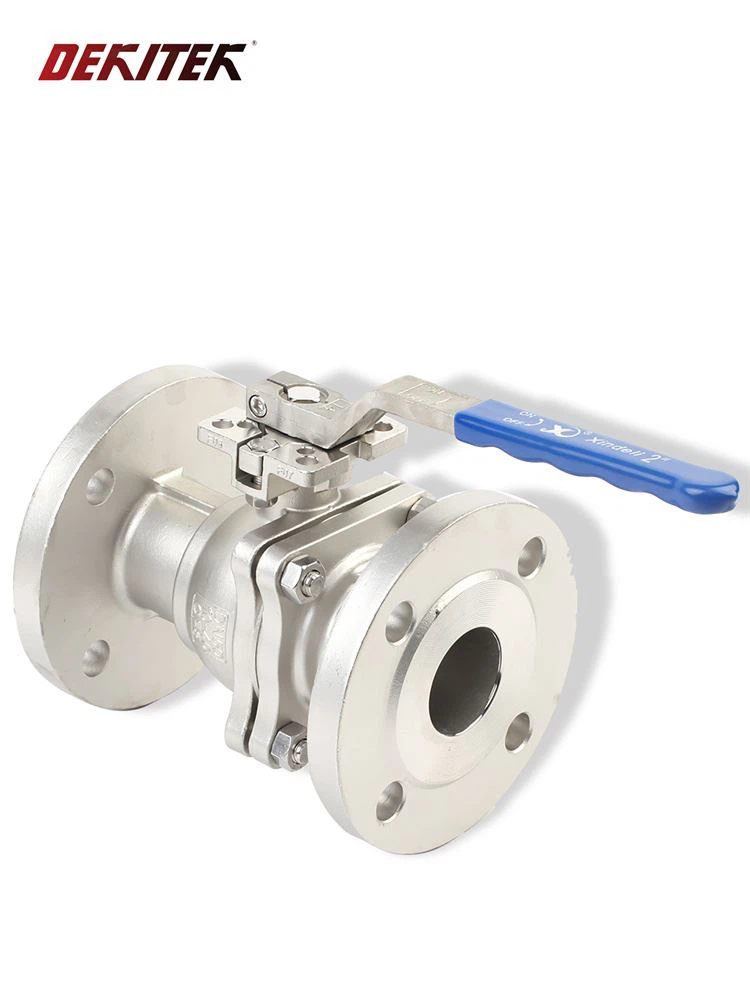
A pressure test involves subjecting the valve to a specified pressure to check for any leaks or structural weaknesses. Leak tests are used to detect any small leaks that may not be visible during a visual inspection. These tests should be conducted at least once a year, or more frequently if the valve is in a critical application.
Training for Maintenance Personnel
Proper training of maintenance personnel is crucial for effective valve maintenance. Ensure that your maintenance team is well - trained in all aspects of fully welded ball valve maintenance, including inspection, lubrication, cleaning, and testing. Provide them with access to the latest technical documentation and training materials from the valve manufacturer.
Regular training sessions can help keep the maintenance team updated on the latest maintenance techniques and best practices. This will not only improve the valve's performance but also extend its service life.
Documentation
Keep detailed records of all maintenance activities, including inspections, lubrication, cleaning, testing, and any repairs or replacements. Documentation is essential for tracking the valve's history, identifying trends, and planning future maintenance.
The records should include the date of each maintenance activity, the type of work performed, the parts used, and any observations or issues noted during the maintenance. This documentation can also be useful for warranty claims and regulatory compliance.
Related Products
In addition to fully welded ball valves, we also offer a range of other high - quality ball valves, such as Top Entry Ball Valve, Trunnion Mounted Metal Seated Ball Valve, and Cast Steel Soft Seated Floating Ball Valve. These valves are designed to meet various industrial requirements and offer excellent performance and reliability.
Conclusion
Maintaining a fully welded ball valve is a comprehensive process that requires regular inspections, proper lubrication, pressure and temperature monitoring, cleaning, seal inspection and replacement, testing, trained personnel, and detailed documentation. By following these maintenance practices, you can ensure that your fully welded ball valve operates efficiently and reliably for many years.
If you are interested in purchasing fully welded ball valves or any of our other products, or if you have any questions about valve maintenance, please feel free to contact us for further discussion and negotiation. We are committed to providing you with the best products and services to meet your industrial needs.
References
- Valve Manufacturer's Technical Manuals
- Industry Standards for Valve Maintenance and Inspection