




Hey there! As a butterfly valve supplier, I've seen firsthand how these valves play a crucial role in various industries. Whether it's for controlling the flow of liquids or gases, butterfly valves are a go - to choice for many. But just like any piece of equipment, they need proper maintenance to keep them running smoothly. In this blog, I'll share some tips on how to maintain a butterfly valve.
1. Regular Inspection
The first step in maintaining a butterfly valve is regular inspection. You should check the valve at least once a month, or more frequently if it's being used in a high - stress environment.
- External Inspection: Look for any signs of physical damage on the valve body. This includes cracks, dents, or corrosion. Corrosion can weaken the valve structure over time and lead to leaks. If you notice any corrosion, you can use a rust remover to clean the affected area and then apply a protective coating.
- Seal Inspection: Check the seals of the valve. The seals are responsible for preventing leaks. Look for any signs of wear, such as cracks or tears. If the seals are damaged, they need to be replaced immediately. A worn - out seal can cause the valve to leak, which can lead to inefficiencies and potential safety hazards.
- Disc and Stem Inspection: Examine the disc and the stem of the valve. The disc should rotate freely without any obstruction. If there is any resistance, it could be a sign of debris or damage inside the valve. The stem should also be straight and free from any bending or deformation.
2. Cleaning
Cleaning is an important part of butterfly valve maintenance. Over time, dirt, debris, and other contaminants can build up inside the valve, which can affect its performance.
- External Cleaning: Use a soft brush and a mild detergent to clean the outside of the valve. This will remove any dirt or grime that has accumulated on the surface. Rinse the valve thoroughly with clean water and dry it with a soft cloth.
- Internal Cleaning: For the internal parts of the valve, you may need to disassemble it. However, make sure you follow the manufacturer's instructions when disassembling the valve. Use a cleaning solution to remove any debris or deposits inside the valve. Pay special attention to the disc and the seat area. After cleaning, reassemble the valve carefully.
3. Lubrication
Proper lubrication is essential for the smooth operation of a butterfly valve. Lubrication reduces friction between the moving parts, which helps to extend the lifespan of the valve.
- Selecting the Right Lubricant: Choose a lubricant that is compatible with the materials used in the valve. For example, if the valve has rubber seals, you need to use a lubricant that won't damage the rubber. Silicone - based lubricants are often a good choice for butterfly valves.
- Lubrication Points: Lubricate the stem and the bearings of the valve. Apply a thin layer of lubricant to these areas. Be careful not to over - lubricate, as excess lubricant can attract dirt and debris.
4. Testing
Regular testing is another important aspect of butterfly valve maintenance. Testing helps to ensure that the valve is functioning properly.
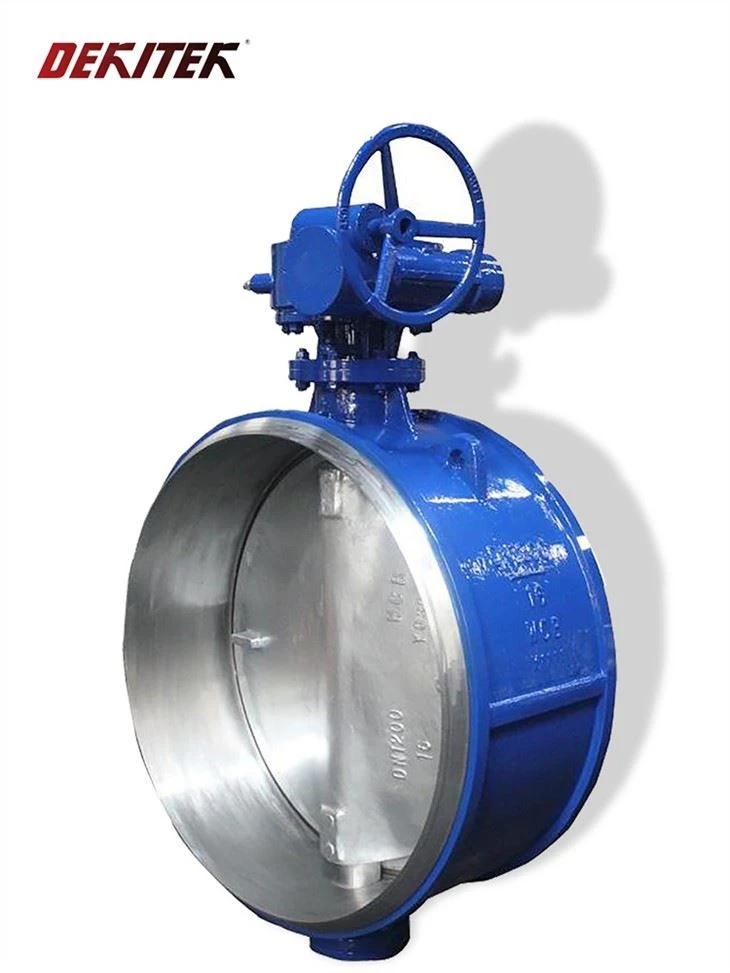

- Function Testing: Open and close the valve several times to check if it operates smoothly. There should be no jerks or unusual noises during operation. If you notice any problems, such as difficulty in opening or closing the valve, it could be a sign of a mechanical issue.
- Leak Testing: Perform a leak test on the valve. You can do this by pressurizing the valve and checking for any leaks around the seals or the body of the valve. If there are any leaks, you need to identify the source and fix it.
5. Training
If you have a team that operates the butterfly valves, it's important to provide them with proper training. Well - trained operators are more likely to notice any issues with the valves early on and take appropriate action.
- Operation Training: Train the operators on how to properly operate the butterfly valves. This includes how to open and close the valves, how to adjust the flow rate, and how to read the pressure and flow indicators.
- Maintenance Training: Provide training on basic maintenance procedures, such as inspection, cleaning, lubrication, and testing. This will help the operators to keep the valves in good condition.
Different Types of Butterfly Valves and Their Maintenance Considerations
We offer a variety of butterfly valves, each with its own unique features and maintenance requirements.
- Triple Offset BW End Butterfly Valve: This type of valve is known for its high - performance and tight shut - off capabilities. When maintaining a triple offset BW end butterfly valve, pay special attention to the seat and the disc alignment. Any misalignment can affect the valve's sealing performance.
- Double Offset Flange End Type Butterfly Valve: The double offset design of this valve reduces friction during operation. However, the flange connections need to be checked regularly for tightness. Loose flange connections can cause leaks.
- Double Offset Lug Type Butterfly Valve: The lug type design allows for easy installation and removal. When maintaining this valve, make sure the lugs are in good condition and not damaged.
In conclusion, maintaining a butterfly valve is not a difficult task if you follow the right procedures. Regular inspection, cleaning, lubrication, testing, and training are all important steps in keeping your butterfly valves in top - notch condition. If you're in the market for high - quality butterfly valves or need more advice on valve maintenance, don't hesitate to reach out. We're here to help you with all your valve needs and ensure that your operations run smoothly.
References
- Valve Handbook: A Guide to Valve Selection, Installation, and Maintenance
- Industry Standards for Butterfly Valve Maintenance