



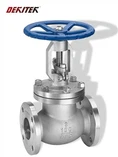

Installing a fully welded ball valve in a large-diameter pipeline is a critical process that requires careful planning, precision, and adherence to industry standards. As a leading supplier of fully welded ball valves, I've witnessed firsthand the importance of a proper installation to ensure the valve's optimal performance and longevity. In this blog post, I'll guide you through the step-by-step process of installing a fully welded ball valve in a large-diameter pipeline, sharing insights and best practices along the way.
Pre-Installation Preparation
Before you begin the installation process, it's essential to conduct a thorough inspection of the valve and the pipeline. Here are the key steps to follow:
1. Valve Inspection
- Visual Inspection: Examine the valve for any signs of damage, such as cracks, dents, or scratches. Check the valve's body, ball, stem, and seats for any visible defects.
- Functional Testing: Verify that the valve operates smoothly by opening and closing it several times. Ensure that the valve's handle or actuator moves freely and that the valve seals properly.
- Documentation Review: Review the valve's technical documentation, including the installation manual, specification sheet, and test reports. Make sure you understand the valve's operating parameters and installation requirements.
2. Pipeline Inspection
- Cleanliness: Ensure that the pipeline is clean and free of debris, rust, and other contaminants. Use a pipe cleaner or a high-pressure water jet to clean the pipeline thoroughly.
- Alignment: Check the pipeline's alignment to ensure that it is straight and level. Use a laser level or a transit to verify the pipeline's alignment.
- Diameter and Wall Thickness: Measure the pipeline's diameter and wall thickness to ensure that they match the valve's specifications. Use a caliper or a micrometer to measure the pipeline's dimensions accurately.
3. Site Preparation
- Safety Precautions: Establish a safe work area around the installation site. Use safety barriers, warning signs, and personal protective equipment (PPE) to protect workers from potential hazards.
- Accessibility: Ensure that the installation site is accessible and that there is enough space to maneuver the valve and the installation equipment. Remove any obstacles or debris that may obstruct the installation process.
- Support Structure: Install a support structure to hold the valve in place during the installation process. Use a crane, a hoist, or a forklift to lift the valve into position and secure it to the support structure.
Installation Process
Once you've completed the pre-installation preparation, you can begin the installation process. Here are the key steps to follow:
1. Valve Positioning
- Orientation: Determine the valve's orientation based on the pipeline's flow direction and the valve's operating requirements. Make sure the valve's flow arrow is aligned with the pipeline's flow direction.
- Alignment: Align the valve's flanges with the pipeline's flanges using alignment pins or a flange alignment tool. Ensure that the valve's flanges are parallel and that the bolt holes are aligned.
- Spacing: Leave enough space between the valve and the pipeline's fittings to allow for proper installation and maintenance. Follow the valve's installation manual for the recommended spacing requirements.
2. Welding
- Welding Procedure: Develop a welding procedure based on the valve's material, the pipeline's material, and the welding code requirements. Use a qualified welder to perform the welding operation.
- Welding Preparation: Clean the valve's flanges and the pipeline's flanges to remove any dirt, oil, or rust. Use a wire brush or a grinder to prepare the welding surfaces.
- Welding Process: Use a suitable welding process, such as shielded metal arc welding (SMAW), gas tungsten arc welding (GTAW), or gas metal arc welding (GMAW), to weld the valve's flanges to the pipeline's flanges. Follow the welding procedure and the welding code requirements to ensure the quality of the welds.
3. Testing
- Pressure Testing: Conduct a pressure test on the valve and the pipeline to ensure that they are leak-free and that they can withstand the operating pressure. Use a pressure gauge and a test pump to apply the test pressure.
- Functional Testing: Perform a functional test on the valve to ensure that it operates smoothly and that it seals properly. Open and close the valve several times and check for any leaks or abnormal noises.
- Inspection: Inspect the valve and the pipeline for any signs of damage or deformation. Use a non-destructive testing method, such as ultrasonic testing or radiographic testing, to detect any internal defects.
Post-Installation Maintenance
After the installation process is complete, it's essential to perform post-installation maintenance to ensure the valve's optimal performance and longevity. Here are the key steps to follow:
1. Cleaning and Lubrication
- Cleaning: Clean the valve and the pipeline to remove any welding slag, debris, or contaminants. Use a pipe cleaner or a high-pressure water jet to clean the valve and the pipeline thoroughly.
- Lubrication: Lubricate the valve's stem, ball, and seats to ensure smooth operation and prevent corrosion. Use a suitable lubricant, such as grease or oil, to lubricate the valve's moving parts.
2. Inspection and Testing
- Visual Inspection: Conduct a visual inspection of the valve and the pipeline to check for any signs of damage, leaks, or corrosion. Look for any cracks, dents, or scratches on the valve's body, ball, stem, and seats.
- Functional Testing: Perform a functional test on the valve to ensure that it operates smoothly and that it seals properly. Open and close the valve several times and check for any leaks or abnormal noises.
- Pressure Testing: Conduct a pressure test on the valve and the pipeline to ensure that they are leak-free and that they can withstand the operating pressure. Use a pressure gauge and a test pump to apply the test pressure.
3. Documentation and Record-Keeping
- Installation Records: Keep a record of the valve's installation, including the installation date, the installation location, the installation method, and the test results. Use a digital or a paper-based record-keeping system to store the installation records.
- Maintenance Records: Keep a record of the valve's maintenance, including the maintenance date, the maintenance type, the maintenance performed, and the parts replaced. Use a digital or a paper-based record-keeping system to store the maintenance records.
Conclusion
Installing a fully welded ball valve in a large-diameter pipeline is a complex process that requires careful planning, precision, and adherence to industry standards. By following the steps outlined in this blog post, you can ensure a successful installation and maximize the valve's performance and longevity.
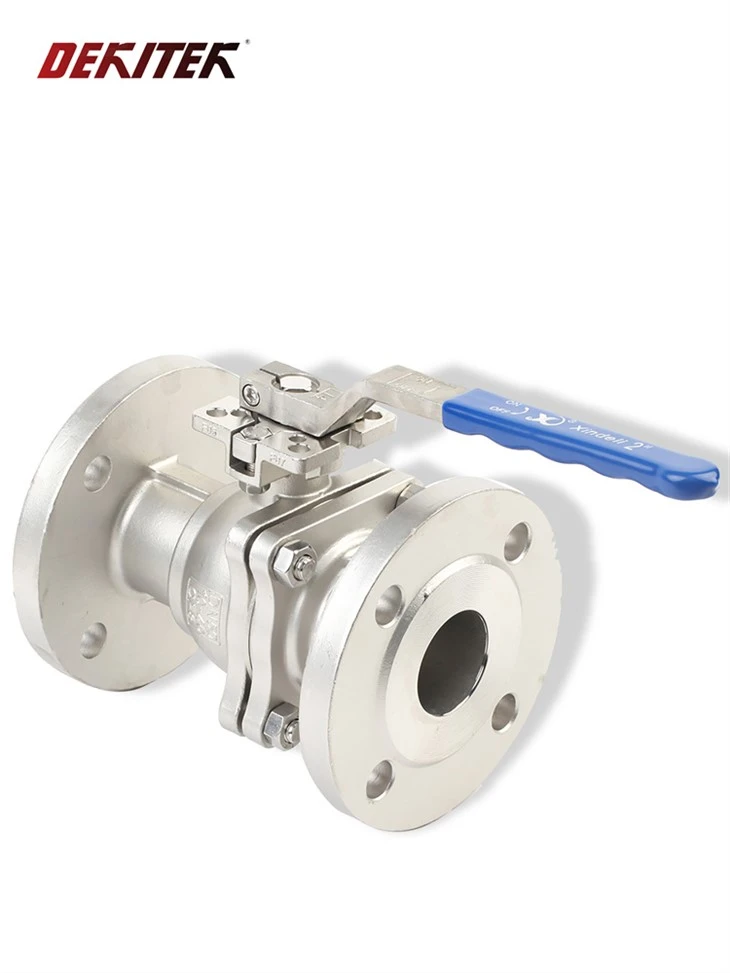
If you're in the market for a fully welded ball valve or need assistance with valve installation, please don't hesitate to [contact us]. We're a leading supplier of high-quality fully welded ball valves, including Forged Floating Metal Seated Ball Valve, Cast Steel Soft Seated Floating Ball Valve, and Cast Steel Metal Seated Floating Ball Valve. Our team of experts is ready to help you find the right valve for your application and provide you with the support and guidance you need to ensure a successful installation.
References
- Valve Manufacturer's Installation Manual
- Pipeline Welding Code (e.g., ASME B31.3, API 1104)
- Occupational Safety and Health Administration (OSHA) Standards
- American Society of Mechanical Engineers (ASME) Standards