



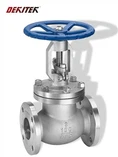

Hey there! As a supplier of Pneumatic Actuator Gate Valves, I've seen firsthand how these valves can be a game - changer in various industrial applications. But like any piece of equipment, they have a lifespan, and it's in everyone's best interest to extend it as much as possible. In this blog, I'll share some tips on how you can make your Pneumatic Actuator Gate Valve last longer.
Regular Inspection
One of the most important things you can do is to conduct regular inspections. You don't have to do it every day, but a monthly or quarterly check - up can go a long way. Start by visually inspecting the valve for any signs of wear and tear. Look for cracks, leaks, or any other visible damage. Check the actuator as well. Make sure the pneumatic connections are tight and there are no air leaks. A small air leak might seem insignificant at first, but over time, it can cause the actuator to work harder, which will reduce its lifespan.
Another part to inspect is the sealing surfaces. The seals in a gate valve are crucial for preventing leaks. If the seals are damaged or worn out, they need to be replaced immediately. You can use a simple tool like a feeler gauge to check the clearance between the sealing surfaces. If the clearance is too large, it's a sign that the seals are not working properly.
Proper Installation
Believe it or not, proper installation can have a huge impact on the lifespan of your Pneumatic Actuator Gate Valve. First of all, make sure the valve is installed in the correct orientation. Most gate valves have an arrow indicating the flow direction. Installing the valve in the wrong direction can cause excessive wear on the gate and the sealing surfaces.
Also, ensure that the valve is properly aligned with the pipeline. Misalignment can put extra stress on the valve body and the actuator, leading to premature failure. Use proper flanges and gaskets during installation. The flanges should be tightened evenly to prevent leaks. And don't forget to use the right size and type of bolts. Using the wrong bolts can cause the flanges to warp, which will affect the sealing performance of the valve.
Lubrication
Lubrication is key to keeping your Pneumatic Actuator Gate Valve in good working condition. The moving parts of the valve, such as the stem and the gate, need to be lubricated regularly. Use a high - quality lubricant that is suitable for the operating conditions of the valve. For example, if the valve is used in a high - temperature environment, you need a lubricant that can withstand high temperatures.
When lubricating the valve, make sure to apply the lubricant evenly. You can use a grease gun or a brush to apply the lubricant. Don't over - lubricate, as this can attract dirt and debris, which can cause damage to the valve. And remember to clean the valve before applying new lubricant to remove any old lubricant and dirt.
Operating Conditions
The operating conditions of the valve can also affect its lifespan. Try to keep the pressure and temperature within the recommended range for the valve. If the pressure is too high, it can cause the valve to leak or even break. Similarly, if the temperature is too high or too low, it can affect the performance of the seals and the actuator.
Avoid sudden changes in pressure or flow rate. These sudden changes can cause water hammer, which is a shock wave that can damage the valve. If possible, install a pressure - reducing valve or a flow - control valve upstream of the Pneumatic Actuator Gate Valve to regulate the pressure and flow.
Maintenance Schedule
Creating a maintenance schedule is a great way to ensure that your Pneumatic Actuator Gate Valve is properly maintained. List down all the maintenance tasks, such as inspections, lubrication, and seal replacements, and assign a specific time for each task. You can use a calendar or a maintenance management software to keep track of the schedule.
Stick to the schedule as closely as possible. Skipping maintenance tasks can lead to small problems becoming big ones. And don't forget to keep records of all the maintenance activities. This will help you identify any recurring problems and take appropriate measures to solve them.
Use Compatible Parts
When it comes to replacing parts in your Pneumatic Actuator Gate Valve, always use compatible parts. Using non - compatible parts can cause the valve to malfunction and reduce its lifespan. For example, if you replace the actuator with one that has a different torque rating, it can put too much or too little stress on the valve, leading to premature failure.
You can get the compatible parts from the valve manufacturer or a reputable supplier. Make sure to provide them with the valve model and serial number to ensure that you get the right parts.
Training for Operators
If your Pneumatic Actuator Gate Valve is operated by multiple people, it's important to provide them with proper training. Operators should know how to operate the valve correctly, how to perform basic maintenance tasks, and how to identify potential problems.
Training can help prevent operator - error - related damage to the valve. For example, if an operator doesn't know how to open or close the valve slowly, it can cause water hammer and damage the valve. You can organize on - site training sessions or provide online training materials for the operators.
Comparison with Other Types of Gate Valves
It's also worth mentioning that there are other types of gate valves available in the market, such as the Electric Actuator Gate Valve, Stainless Steel Flexible Wedge Gate Valve, and Duplex Stainless Steel Pressure Seal Gate Valve. Each type has its own advantages and disadvantages, and the lifespan can also vary depending on how they are maintained.
The Electric Actuator Gate Valve is powered by electricity, which can be more precise in operation compared to a pneumatic actuator. However, it may require more complex maintenance due to the electrical components. The Stainless Steel Flexible Wedge Gate Valve is known for its good sealing performance, but the flexible wedge needs to be inspected regularly to ensure its integrity. The Duplex Stainless Steel Pressure Seal Gate Valve is suitable for high - pressure applications, but it also needs to be maintained properly to prevent corrosion.

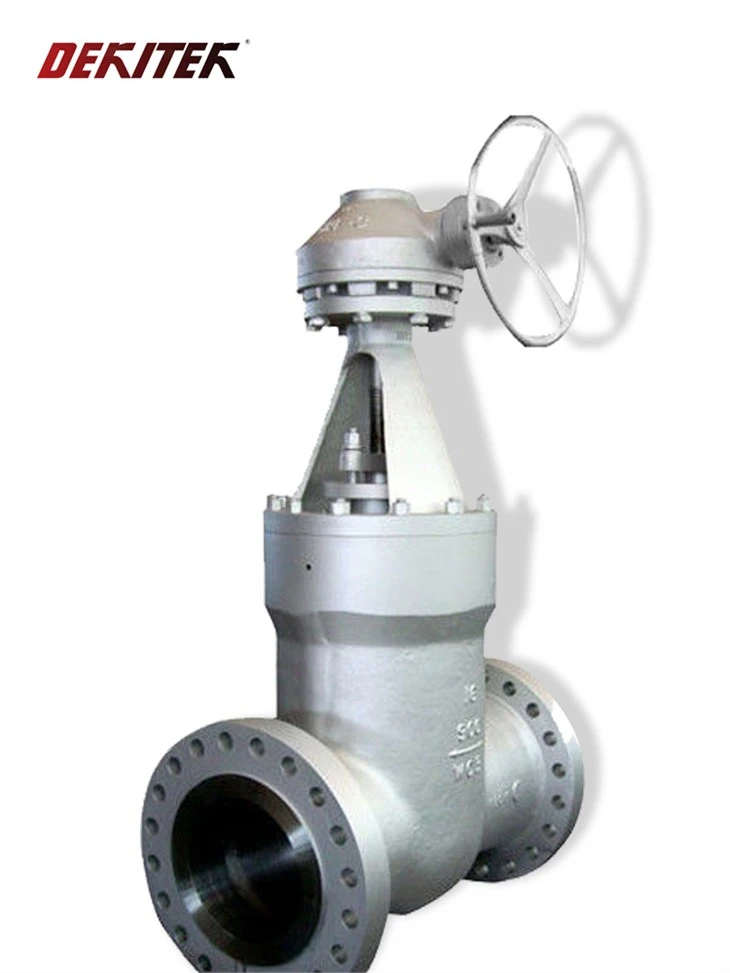
If you're looking to extend the lifespan of your gate valve, it's important to understand the unique features of each type and follow the appropriate maintenance procedures.
Conclusion
Extending the lifespan of a Pneumatic Actuator Gate Valve is not rocket science. By following these tips, such as regular inspection, proper installation, lubrication, and keeping the operating conditions in check, you can significantly increase the lifespan of your valve. And if you have any questions or need help with your valve, don't hesitate to reach out. As a supplier, we're always here to assist you with your valve - related needs. Whether you're looking to purchase a new valve or need advice on maintenance, we're just a message away. Let's work together to keep your industrial processes running smoothly!
References
- Valve Handbook: A Guide to Valve Selection, Installation, and Maintenance
- Industrial Valve Standards and Best Practices
- Pneumatic Actuator Manufacturer's Manuals