



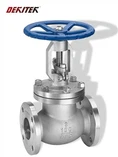

Hey there! As a supplier of BW Type Metal Sealing Butterfly Valves, I've been getting a lot of questions lately about how to ensure the tightness of these valves. It's a crucial aspect, especially when you're dealing with different types of fluids and pressure conditions. So, I thought I'd share some insights based on my experience in the industry.
First off, let's understand what makes the BW Type Metal Sealing Butterfly Valve so special. These valves are designed to handle high - pressure and high - temperature applications. They use metal sealing elements, which are more durable and can withstand harsh environments compared to their rubber - sealed counterparts.
One of the key factors in ensuring tightness is proper installation. You can't just slap the valve in place and expect it to work perfectly. The flange connections need to be aligned precisely. Any misalignment can cause uneven stress on the sealing surfaces, leading to leaks. When installing the valve, make sure the flanges are clean and free from any debris or scratches. Use the right bolts and nuts, and tighten them evenly in a criss - cross pattern. This helps distribute the pressure evenly across the flange and the valve body, ensuring a tight seal.
Another important aspect is the quality of the sealing materials. At our company, we use high - grade metals for the sealing components. The choice of metal depends on the application. For example, in applications where corrosion is a concern, we might use stainless steel. The hardness and surface finish of the sealing surfaces also play a significant role. A smooth and hard surface reduces the chances of leakage by providing a better contact between the valve disc and the seat.
Regular maintenance is also essential for maintaining the tightness of the BW Type Metal Sealing Butterfly Valve. Over time, the valve may experience wear and tear due to the flow of fluids, pressure changes, and temperature variations. Inspect the valve periodically for any signs of damage, such as cracks or pitting on the sealing surfaces. If you notice any issues, replace the damaged parts immediately. Lubrication of the moving parts, like the stem and the bearings, can also help reduce friction and prevent premature wear.
Now, let's talk about the different types of metal - sealing butterfly valves that are related to the BW type. There's the Wafer Type Metal Sealing Butterfly Valve. This type is lightweight and easy to install between two flanges. It's a popular choice for applications where space is limited. The wafer design allows for a compact installation, and it can still provide a tight seal when installed correctly.
Then, we have the Lug Type Metal Sealing Butterfly Valve. This valve has threaded lugs on the outside of the valve body. These lugs make it easier to install and remove the valve without disturbing the piping system. The lug design also provides better support and stability, which can contribute to a more reliable seal.
The Double Offset Lug Type Butterfly Valve is another option. The double - offset design reduces the friction between the disc and the seat during operation. This not only makes the valve easier to open and close but also helps in maintaining a tight seal over a longer period. The offset design also reduces the wear on the sealing surfaces, increasing the valve's lifespan.
In addition to these factors, the operating conditions also affect the tightness of the valve. For example, if the fluid flowing through the valve contains abrasive particles, it can cause damage to the sealing surfaces. In such cases, you may need to install additional filtration systems to protect the valve. Also, extreme temperature and pressure variations can cause the metal to expand or contract, which may affect the seal. Make sure the valve is rated for the specific temperature and pressure conditions of your application.
When it comes to testing the tightness of the valve, there are several methods. One common method is the pressure test. You can apply a specified pressure to the valve and check for any leaks. Another way is to use a tracer gas test, which is more sensitive and can detect even the smallest leaks. These tests should be carried out during the manufacturing process and also periodically during the valve's service life.


If you're having trouble with the tightness of your BW Type Metal Sealing Butterfly Valve, don't hesitate to reach out. We're here to help you find the best solutions. Whether it's advice on installation, maintenance, or replacement parts, we've got you covered. We have a team of experts who can answer all your questions and provide you with the support you need.
In conclusion, ensuring the tightness of the BW Type Metal Sealing Butterfly Valve requires a combination of proper installation, high - quality materials, regular maintenance, and consideration of the operating conditions. By following these guidelines, you can ensure that your valve performs optimally and provides a reliable seal for your applications. If you're in the market for a high - quality BW Type Metal Sealing Butterfly Valve or need any related products and services, feel free to contact us for a purchase negotiation. We're confident that our valves will meet your requirements and exceed your expectations.
References
- Industry standards for metal - sealing butterfly valves
- Manufacturer's guidelines for installation and maintenance of BW Type Metal Sealing Butterfly Valves
- Technical literature on valve materials and their properties