


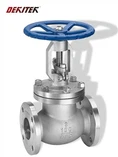

Hey there! As a supplier of Triple Offset BW End Butterfly Valves, I've seen firsthand the importance of ensuring a tight shut - off for these valves. In this blog, I'm gonna share some tips and tricks on how to make sure your Triple Offset BW End Butterfly Valve closes up tight every time.
First off, let's understand what a Triple Offset BW End Butterfly Valve is. This type of valve is a high - performance valve commonly used in various industries like oil and gas, chemical processing, and power generation. The triple offset design means it has three different offsets, which allows for a metal - to - metal seal. This seal is crucial for preventing leaks and ensuring the valve can handle high - pressure and high - temperature applications.
Valve Installation
One of the first steps to ensure a tight shut - off is proper installation. You gotta make sure the valve is installed in the correct orientation. The valve body should be in line with the pipeline, and the disc should rotate freely within the valve. Any misalignment during installation can lead to uneven sealing and leaks.
When installing the valve, pay close attention to the gaskets. Gaskets act as a secondary seal and help to prevent any leakage around the valve body. Make sure the gaskets are made of the right material for your application. For example, if you're dealing with high - temperature fluids, you'll need a gasket that can withstand those temperatures. Using the wrong gasket material can cause it to degrade over time, leading to leaks.
Regular Maintenance
Regular maintenance is key to keeping your Triple Offset BW End Butterfly Valve in top shape. You should perform visual inspections on a regular basis. Check for any signs of wear and tear on the valve disc, seat, and stem. Look for scratches, corrosion, or any other damage that could affect the valve's ability to seal properly.
Lubrication is also an important part of maintenance. The valve's moving parts, such as the stem and bearings, need to be lubricated regularly. This reduces friction and ensures smooth operation. Using the right lubricant is crucial. Some lubricants may not be compatible with the valve's materials or the fluids it's handling. So, make sure you choose a lubricant that's recommended by the valve manufacturer.
Quality of Valve Components
The quality of the valve components plays a huge role in ensuring a tight shut - off. As a supplier, I always emphasize the importance of using high - quality materials for the valve disc, seat, and body. The valve disc and seat are the main sealing components, so they need to be made of materials that can withstand the pressure and temperature of the application.
For example, stainless steel is a popular choice for valve components because it's corrosion - resistant and strong. The seat material should also be carefully selected. Some common seat materials include PTFE, which is great for low - temperature applications, and hard - faced metals for high - temperature and high - pressure applications.
Calibration and Testing
Before the valve is put into service, it should be calibrated and tested. Calibration ensures that the valve's opening and closing positions are accurate. This is important because if the valve doesn't close fully or opens too much, it can lead to leaks.


Testing the valve under simulated operating conditions is also crucial. This can involve pressure testing, flow testing, and leak testing. Pressure testing checks the valve's ability to withstand the maximum pressure of the system. Flow testing ensures that the valve allows the right amount of fluid to pass through when it's open. Leak testing, of course, checks for any signs of leakage when the valve is closed.
Training and Operator Knowledge
Last but not least, the operators who handle the valve need to be properly trained. They should know how to operate the valve correctly, including how to open and close it safely. They should also be aware of the signs of a potential problem with the valve, such as unusual noises or vibrations.
Proper training can also help operators to perform basic maintenance tasks, such as visual inspections and lubrication. This can help to catch any issues early on and prevent them from turning into major problems.
Now, if you're in the market for a Triple Offset BW End Butterfly Valve or need more information about ensuring a tight shut - off, don't hesitate to reach out. We also offer other types of butterfly valves, like the Triple Offset Lug Type Butterfly Valve, Lug Type Metal Sealing Butterfly Valve, and Double Offset Lug Type Butterfly Valve.
If you have any questions or want to discuss your specific requirements, just drop us a line. We're here to help you find the best valve solution for your needs.
References
- Valve Handbook, 4th Edition, by J. S. Tuzson
- Industrial Valves: A Guide to Selection and Application, by D. S. Jamieson