


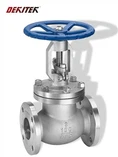

Hey there! I'm a supplier of API6D Flange End Swing Type Check Valve, and today, I'm super excited to share some insights on how to ensure the quality of these valves.
As a supplier, I know that the quality of API6D Flange End Swing Type Check Valve is crucial. After all, these valves play a vital role in many industrial systems. They prevent backflow, ensuring the smooth and safe operation of pipelines. So, how can we make sure that the valves we offer are top - notch?
1. Selecting High - Quality Materials
The first step in ensuring valve quality is choosing the right materials. For API6D Flange End Swing Type Check Valve, we need to pick materials that can withstand the intended operating conditions. This means considering factors like pressure, temperature, and the type of fluid flowing through the valve.
For instance, if the valve is going to be used in a high - pressure and high - temperature environment, we might opt for stainless steel or alloy steel. These materials are known for their excellent strength and corrosion resistance. On the other hand, if the fluid is less aggressive and the pressure is relatively low, carbon steel could be a more cost - effective choice.
When sourcing materials, it's important to work with reliable suppliers. We need to check their certifications and reputation in the market. A good material supplier will provide us with detailed material test reports, which can prove the quality and composition of the materials.
2. Precision Manufacturing
Once we have the right materials, the next thing is to manufacture the valve with precision. The manufacturing process of API6D Flange End Swing Type Check Valve involves several steps, including casting, machining, welding, and assembly.
During casting, we need to ensure that the valve body is free from defects like porosity and cracks. Special techniques can be used to improve the casting quality. For example, using a well - designed gating system can help ensure uniform filling of the mold and reduce the probability of casting defects.
Machining is another critical step. The surfaces of the valve, such as the sealing surfaces and the bore, need to be machined to very tight tolerances. This is important for achieving a good seal and proper valve operation. High - precision machining equipment and skilled operators are essential for this process.
Welding, if any, should be carried out by certified welders. The welding procedure needs to be carefully controlled to ensure the integrity of the welds. Non - destructive testing methods, such as ultrasonic testing or radiographic testing, can be used to check the quality of the welds.
Assembly is the final stage of manufacturing. All components of the valve, including the disc, hinge pin, and gaskets, need to be assembled correctly. Improper assembly can lead to valve failure or reduced performance.
3. Rigorous Quality Control Testing
Quality control testing is a non - negotiable part of ensuring valve quality. There are several tests that API6D Flange End Swing Type Check Valve should undergo before being sent to customers.
The first test is the pressure test. This test checks the valve's ability to withstand the specified pressure without leakage. There are usually two types of pressure tests: the shell test and the seat test. In the shell test, the valve body is pressurized to a certain level to check for any leaks in the body. The seat test, on the other hand, is used to verify the sealing performance of the valve seat.
Another important test is the flow test. This test measures the valve's flow characteristics, such as the flow coefficient. A valve with good flow characteristics can ensure efficient fluid flow in the pipeline.
We also need to perform material testing on the finished valve. This can include hardness testing, chemical composition analysis, and metallographic examination. These tests can confirm that the materials used in the valve meet the specified requirements.
4. Compliance with Standards
Compliance with standards is a key aspect of ensuring valve quality. API6D Flange End Swing Type Check Valve should comply with relevant international standards, such as API 6D. This standard sets out the requirements for the design, manufacturing, testing, and inspection of valves.
By complying with API 6D, we can ensure that the valve meets a certain level of quality and performance. It also gives our customers confidence in the product. When we supply valves that comply with API 6D, we are essentially telling our customers that the valves have been manufactured and tested according to a globally recognized standard.


5. Continuous Improvement
Ensuring valve quality is not a one - time thing. It's an ongoing process that requires continuous improvement. We need to collect feedback from our customers, learn from any valve failures or performance issues, and use this information to improve our manufacturing processes and product design.
For example, if a customer reports a leakage problem with the valve, we need to investigate the root cause. It could be due to a machining error, a defective gasket, or an improper assembly. Once we identify the problem, we can take corrective actions to prevent similar issues from happening in the future.
Moreover, we should keep an eye on the latest technological developments in the valve industry. New materials, manufacturing techniques, and testing methods are constantly emerging. By adopting these new technologies, we can improve the quality and performance of our API6D Flange End Swing Type Check Valve.
Conclusion
In conclusion, ensuring the quality of API6D Flange End Swing Type Check Valve involves a combination of factors, including material selection, precision manufacturing, rigorous testing, compliance with standards, and continuous improvement. As a supplier, it's our responsibility to provide our customers with high - quality valves that can meet their needs.
If you're in the market for API6D Flange End Swing Type Check Valve or API 6D BW Check Valve, we're here to offer you the best products and services. We're confident in the quality of our valves and are always ready to have in - depth discussions with you about your procurement needs. Contact us for more details and let's start a great business cooperation!
References
- API Standard 6D, "Specification for Pipeline Valves"
- Valve Handbook, various chapters on valve manufacturing and quality control
- Industry reports on valve performance and quality assurance