


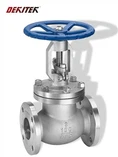

Hey there! As a supplier of butterfly valves, I often get asked whether these valves can be used in water - treatment plants. Well, the short answer is yes, but let's dive deeper into this topic to understand why that is and how it all works.
First off, what exactly is a butterfly valve? A butterfly valve is a type of quarter - turn valve that uses a disc to regulate fluid flow. Picture a circular plate pivoted in the middle of a pipe. When the disc is parallel to the flow, the valve is open, allowing water to pass through freely. When it's turned perpendicular to the flow, the valve shuts off the water. This simple yet effective design makes butterfly valves a popular choice in many industries, including water treatment.
Advantages of Using Butterfly Valves in Water - Treatment Plants
1. Cost - Effective
One of the major reasons why butterfly valves are great for water - treatment plants is their cost. They are generally less expensive to purchase compared to other types of valves like gate valves or globe valves. This is because they have a simpler design with fewer parts, which also means less maintenance and lower long - term costs. For a large - scale water - treatment plant that may need numerous valves, cost - savings can add up quickly.


2. Low Pressure Drop
In water - treatment systems, it's crucial to maintain a consistent pressure and flow rate. Butterfly valves have a low pressure drop, which means they don't significantly reduce the pressure of the water as it passes through the valve. This is really important because it helps the pumps in the treatment plant work more efficiently, saving energy and reducing operational costs.
3. Quick Operation
As I mentioned earlier, butterfly valves are quarter - turn valves. This means they can be opened or closed rapidly with just a 90 - degree turn of the actuator. In a water - treatment plant, where fast response times might be required during emergencies or for process control, this quick operation is a huge advantage.
4. Space - Saving
Space can be a premium in a water - treatment facility. Butterfly valves are compact in design and take up less space compared to other valve types. This makes them ideal for installations where there are space constraints, allowing for more efficient use of the available area.
Types of Butterfly Valves Suitable for Water - Treatment Plants
Now, let's talk about some specific types of butterfly valves that are well - suited for water - treatment applications.
If you're looking for a reliable option, the Double Offset Flange End Type Butterfly Valve is a great choice. The double - offset design reduces friction between the disc and the seat during operation, which not only extends the valve's lifespan but also provides a tight seal. It's commonly used in a variety of water - treatment processes, such as in the handling of raw water, treated water, and backwash water.
Another excellent option is the Triple Offset Wafer Type Butterfly Valve. This valve offers an even more precise and reliable sealing performance. The triple - offset design means that the disc rotates on an angled axis, which minimizes wear and tear on the seating surfaces. It's a great option for applications where a high - level of isolation is required, like in the chemical dosing systems of a water - treatment plant.
The Flange End Metal Sealing Butterfly Valve is also highly suitable. Metal sealing provides better durability and resistance to high - temperature and high - pressure conditions. In water - treatment plants, where there might be some extreme operating conditions during certain processes, this type of valve can withstand the challenges and ensure long - term performance.
Considerations for Using Butterfly Valves in Water - Treatment Plants
Although butterfly valves offer many benefits, there are also some factors to keep in mind when using them in water - treatment plants.
1. Water Quality
The quality of the water in the treatment plant can have an impact on the performance and lifespan of the butterfly valves. If the water contains a lot of sediment, debris, or chemicals, it can cause erosion or corrosion of the valve components. In such cases, it's important to choose valves with appropriate materials for the disc, seat, and body. For example, stainless - steel discs and seats can provide better resistance to corrosion.
2. Flow Control Requirements
Different water - treatment processes may have specific flow control requirements. Some processes may need precise flow regulation, while others may only require on - off control. Make sure to select a butterfly valve with the right type of actuator and control system to meet these requirements. For example, an electric actuator can provide more precise control compared to a manual one.
3. Maintenance and Inspection
Regular maintenance and inspection are essential to ensure the proper functioning of butterfly valves in a water - treatment plant. This includes checking for leaks, wear and tear, and proper alignment of the valve components. A well - maintained valve will not only last longer but also operate more efficiently, reducing the risk of system failures.
Conclusion
So, to sum it all up, butterfly valves can definitely be used in water - treatment plants, and they offer a range of benefits such as cost - effectiveness, low pressure drop, quick operation, and space - saving. With the right type of valve, such as the double - offset, triple - offset, or metal - sealing butterfly valves, and proper consideration of factors like water quality and flow control requirements, these valves can be a valuable asset in any water - treatment facility.
If you're in the market for high - quality butterfly valves for your water - treatment plant, feel free to reach out to me for more information. We're here to help you find the perfect valve solutions for your specific needs and start a discussion about how we can meet your procurement requirements.
References
- Miller, R. W. (2003). Flow Measurement Engineering Handbook. McGraw - Hill.
- Valve Magazine. Various issues on valve technology and applications.