


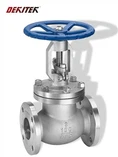

Controlling the opening and closing speed of a lug type metal sealing butterfly valve is crucial for ensuring the safety, efficiency, and longevity of various industrial processes. As a leading supplier of Lug Type Metal Sealing Butterfly Valve, I have witnessed firsthand the importance of proper speed control in different applications. In this blog post, I will share some insights and practical tips on how to effectively manage the opening and closing speed of these valves.


Understanding the Basics of Lug Type Metal Sealing Butterfly Valves
Before delving into speed control, it's essential to understand the fundamental characteristics of lug type metal sealing butterfly valves. These valves are designed with a disc that rotates within the valve body to regulate the flow of fluid. The lug design allows for easy installation between two flanges, and the metal sealing provides excellent durability and tight shut - off capabilities, even in high - pressure and high - temperature environments.
Factors Affecting the Opening and Closing Speed
Several factors can influence the opening and closing speed of a lug type metal sealing butterfly valve.
1. Actuator Type
The actuator is the device responsible for moving the valve disc. There are different types of actuators, such as electric, pneumatic, and hydraulic. Electric actuators offer precise control over speed and position, and their speed can be adjusted by modifying the electrical parameters. Pneumatic actuators use compressed air to operate, and the speed can be regulated by adjusting the air flow rate through the actuator. Hydraulic actuators, which use hydraulic fluid, can also provide high - force operation with controllable speed, depending on the flow rate of the hydraulic fluid.
2. System Pressure
The pressure of the fluid in the system can have a significant impact on the valve's opening and closing speed. Higher system pressures may require more force to open or close the valve, which can slow down the operation. In some cases, excessive pressure can even cause the valve to open or close too quickly, leading to water hammer effects, which can damage the valve and the pipeline system.
3. Valve Size
Larger valves generally require more time to open and close compared to smaller ones. This is because the larger disc has a greater surface area and more mass, which means more force is needed to move it. Additionally, the flow area of a larger valve is greater, and the fluid resistance during opening and closing is also higher.
Methods to Control the Opening and Closing Speed
1. Actuator Adjustment
- Electric Actuators: For electric actuators, speed control can be achieved through the use of variable frequency drives (VFDs). A VFD allows you to adjust the speed of the electric motor that drives the actuator by changing the frequency of the electrical power supplied to the motor. By programming the VFD, you can set different opening and closing speeds according to your specific requirements.
- Pneumatic Actuators: In pneumatic actuators, speed control is typically accomplished using flow control valves. These valves are installed in the air supply line to the actuator. By adjusting the orifice size of the flow control valve, you can regulate the amount of air entering or leaving the actuator, thereby controlling the speed of the valve's movement.
- Hydraulic Actuators: Hydraulic actuators use hydraulic pumps and flow control valves to manage speed. The flow rate of the hydraulic fluid can be adjusted by changing the settings of the flow control valve. Additionally, some hydraulic systems may incorporate proportional valves, which can provide more precise speed control based on electrical signals.
2. Buffer Devices
Installing buffer devices can help control the opening and closing speed and reduce the impact on the valve and the pipeline system. For example, shock absorbers can be added to the actuator or the valve stem. These shock absorbers work by dissipating the kinetic energy of the moving parts, slowing down the valve's movement at the end of the opening or closing stroke.
3. System Design Considerations
- Pressure Relief: In systems with high pressure, it is important to design appropriate pressure relief mechanisms. This can prevent sudden pressure changes that may cause the valve to open or close too rapidly. Pressure relief valves can be installed in the pipeline to release excess pressure when necessary.
- Flow Regulation: Proper flow regulation in the pipeline can also contribute to better valve speed control. By using flow control valves upstream or downstream of the lug type metal sealing butterfly valve, you can maintain a stable flow rate, which in turn helps to control the valve's opening and closing speed.
Applications and Their Speed Requirements
Different applications have different requirements for the opening and closing speed of lug type metal sealing butterfly valves.
1. Water Treatment Plants
In water treatment plants, the valves are often used to control the flow of water in various processes, such as filtration, disinfection, and distribution. For processes where a slow and gradual change in flow is required, such as filling or emptying a tank, a slow opening and closing speed is preferred to prevent water hammer and ensure stable operation. On the other hand, in emergency situations, such as shutting off the water supply in case of a leak, a fast - acting valve may be needed.
2. Chemical Processing
Chemical processing plants deal with a wide range of fluids with different properties. Some chemicals are highly reactive, and a sudden change in flow can lead to dangerous chemical reactions. Therefore, the opening and closing speed of the valves in these plants needs to be carefully controlled to ensure the safety of the process. In some cases, a very slow speed may be required to allow for proper mixing or reaction.
3. Power Generation
In power generation plants, especially in steam systems, the opening and closing speed of the valves can affect the efficiency and safety of the power generation process. For example, in a steam turbine control system, the valve needs to open and close at a specific speed to regulate the steam flow and maintain the turbine's speed and power output.
Our Product Offerings
As a supplier, we offer a wide range of Lug Type Metal Sealing Butterfly Valve solutions, including Triple Offset Lug Type Butterfly Valve and BW Type Metal Sealing Butterfly Valve. Our valves are designed with high - quality materials and advanced manufacturing techniques to ensure reliable performance and long - term durability. We also provide customized actuator solutions to meet your specific speed control requirements.
Contact Us for Procurement
If you are looking for high - quality lug type metal sealing butterfly valves and need professional advice on speed control, we are here to help. Our team of experts can provide you with detailed product information, technical support, and customized solutions. Contact us today to start your procurement process and take advantage of our reliable products and excellent service.
References
- Valve Handbook, Second Edition, by Arnold W. Jenks
- Piping and Pipeline Engineering, Second Edition, by George A. Antaki