



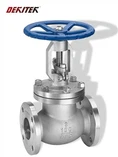

Hey there! As a supplier of Forged Floating Soft Seated Ball Valves, I know how crucial it is to ensure these valves are in top - notch condition. One of the key aspects of maintaining a high - quality valve is checking its tightness. In this blog, I'll share some practical tips on how to check the tightness of a forged floating soft seated ball valve.
Why Tightness Matters
First off, let's talk about why tightness is so important. A valve that isn't tight can lead to all sorts of problems. Leaks can waste valuable fluids, whether it's water, oil, or gas. They can also cause safety hazards, especially when dealing with hazardous materials. And in industrial settings, even a small leak can lead to big losses in terms of productivity and money. So, making sure your forged floating soft seated ball valve is tight is a must.
Pre - check Preparations
Before you start checking the tightness, there are a few things you need to do. First, gather all the necessary tools. You'll need a pressure gauge to measure the pressure inside the valve, a leak detector (like a soap solution for visual inspection), and some wrenches in case you need to make any adjustments.
Next, make sure the valve is properly installed. Check all the connections to ensure they are tight and there are no visible signs of damage or misalignment. Also, make sure the valve is in the closed position. This is crucial because you're checking the ability of the valve to stop the flow when it's supposed to.
Visual Inspection
The first step in checking the tightness is a simple visual inspection. Look at the valve for any obvious signs of leakage. Check around the stem, the body joints, and the connections. Sometimes, you might see a small drip or a wet spot, which is a clear indication of a leak.
You can also use a soap solution to help with the visual inspection. Mix some dish soap with water to create a soapy mixture. Then, use a brush to apply the solution to all the potential leak points on the valve. If there's a leak, the pressure of the escaping fluid will cause bubbles to form at the leak site. This is a great way to find small leaks that might not be visible to the naked eye.
Pressure Testing
After the visual inspection, it's time for pressure testing. This is a more accurate way to check the tightness of the valve. To do this, you'll need to connect a pressure gauge to the valve. Make sure the gauge is properly calibrated so you get an accurate reading.


Slowly increase the pressure inside the valve to the rated pressure. This is the maximum pressure the valve is designed to handle. Keep an eye on the pressure gauge and make sure the pressure remains stable. If the pressure drops over time, it's a sign that there's a leak in the valve.
You can also use a differential pressure test. In this test, you apply pressure to one side of the valve and measure the pressure on the other side. If the valve is tight, there should be a significant difference in pressure between the two sides. If the pressure equalizes too quickly, it means there's a leak.
Seat Inspection
The seats of the forged floating soft seated ball valve are critical for tightness. Over time, the seats can wear out or get damaged, which can lead to leaks. To inspect the seats, you may need to disassemble the valve carefully. This should only be done if you're experienced and have the right tools.
Once you've disassembled the valve, visually inspect the seats for any signs of wear, scratches, or damage. If you find any issues, you may need to replace the seats. Make sure to use high - quality replacement seats to ensure the valve remains tight.
Stem Seal Inspection
The stem seal is another area where leaks can occur. The stem is the part of the valve that allows you to open and close it. The seal around the stem prevents fluid from leaking out along the stem.
To inspect the stem seal, look for any signs of leakage around the stem. You can also try turning the stem to see if there's any resistance or if there's a change in the pressure reading. If the stem seal is leaking, you may need to replace the seal or adjust it to make it tighter.
Comparing with Similar Valves
If you have multiple forged floating soft seated ball valves in your system, you can compare the performance of the valve you're checking with the others. If one valve is showing signs of leakage while the others are fine, it's a good indication that there's a problem with that particular valve.
This comparison can also help you identify if there are any system - wide issues that might be affecting the tightness of the valves. For example, if all the valves are showing signs of leakage, it could be due to high - pressure spikes in the system or improper installation.
Post - check Actions
After you've completed the tightness check, there are a few things you need to do. If you found any leaks, make the necessary repairs or replacements right away. Once the repairs are done, repeat the tightness check to make sure the problem has been fixed.
Keep a record of the tightness check. This includes the date of the check, the pressure readings, and any issues you found. This record can be useful for future reference and for maintenance planning.
Related Products
If you're also interested in other types of ball valves, we have some great options. Check out our Trunnion Mounted Metal Seated Forged Ball Valve, Forged Floating Metal Seated Ball Valve, and Trunnion Mounted Soft Seated Forged Ball Valve. These valves are also high - quality and can meet different industrial needs.
Conclusion
Checking the tightness of a forged floating soft seated ball valve is an important part of valve maintenance. By following these steps, you can ensure that your valve is working properly and preventing leaks. Remember, a tight valve not only saves you money and resources but also keeps your operations safe.
If you have any questions about our Forged Floating Soft Seated Ball Valves or need help with tightness checks, don't hesitate to contact us for a procurement discussion. We're here to help you get the best valves for your needs.
References
- Valve Handbook, 4th Edition
- Industrial Valve Maintenance Guide