


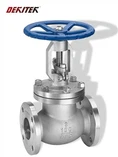

Hey there! As a supplier of Cast Steel Pressure Seal Gate Valves, I've dealt with all sorts of questions about these valves, especially when it comes to checking their integrity. In this blog, I'll share some practical tips on how to do just that.
Why Checking Integrity Matters
First off, why should you even bother checking the integrity of a Cast Steel Pressure Seal Gate Valve? Well, these valves are used in high - pressure and high - temperature applications, like in power plants and oil refineries. A valve with compromised integrity can lead to leaks, which can be not only a waste of resources but also a safety hazard. Leaking fluids can cause corrosion, damage to surrounding equipment, and in extreme cases, lead to environmental disasters. So, making sure your valve is in tip - top shape is super important.
Visual Inspection
The first step in checking the integrity of a Cast Steel Pressure Seal Gate Valve is a good old - fashioned visual inspection. You don't need any fancy tools for this; just your eyes and a flashlight.
Exterior Check
Start by looking at the outside of the valve. Check for any signs of cracks, dents, or corrosion. Cracks can be a major problem as they can allow fluid to leak out under pressure. Dents might not always be an issue, but they could indicate that the valve has been subjected to physical stress, which could affect its performance. Corrosion, especially on the valve body or the stem, can weaken the metal and lead to failure over time.
Gasket and Seal Inspection
Next, take a close look at the gaskets and seals. These are crucial components that prevent leaks. Look for any signs of wear, damage, or misalignment. If the gaskets are worn out, they might not create a proper seal, leading to leaks. Misaligned seals can also cause problems, as they won't be able to withstand the pressure evenly.
Pressure Testing
Visual inspection is a great start, but it's not enough. Pressure testing is an essential part of checking the integrity of a Cast Steel Pressure Seal Gate Valve.
Hydrostatic Testing
Hydrostatic testing is one of the most common methods. In this test, the valve is filled with a liquid, usually water, and then pressurized to a specified level. The pressure is maintained for a certain period, typically around 10 - 30 minutes. During this time, you need to check for any leaks. You can do this by looking for drips or using a pressure gauge to see if the pressure drops. If the pressure drops, it's a sign that there might be a leak in the valve.
Pneumatic Testing
Pneumatic testing uses air or gas instead of liquid. This method is often used when the valve will be used in a gas - filled system. However, it's important to note that pneumatic testing is more dangerous than hydrostatic testing because gases are more compressible and can cause more damage if there's a sudden release. So, extra safety precautions need to be taken when performing pneumatic testing.
Functionality Testing
Checking the functionality of the valve is also crucial. A valve might look fine on the outside and pass the pressure test, but if it doesn't work properly, it's no good.
Opening and Closing
The first thing to check is if the valve can open and close smoothly. Try operating the valve manually or using the actuator if it's an Electric Actuator Gate Valve. If the valve is hard to open or close, it could be a sign of a problem, such as a stuck stem or a damaged internal mechanism.
Sealing Performance
Once the valve is closed, check its sealing performance. You can do this by applying a small amount of pressure on the upstream side of the valve and checking for any leaks on the downstream side. A properly sealed valve should prevent any fluid from passing through.
Material Analysis
In some cases, it might be necessary to perform a material analysis. This is especially important if you suspect that the valve has been made from sub - standard materials or if it has been exposed to conditions that could have affected its material properties.
Hardness Testing
Hardness testing can give you an idea of the material's strength and durability. A valve made from high - quality cast steel should have a certain hardness level. If the hardness is too low, it could indicate that the material is not strong enough to withstand the pressure and temperature conditions.
Chemical Composition Analysis
Chemical composition analysis can tell you exactly what elements are present in the valve material. This is important because different elements can affect the material's properties, such as its corrosion resistance and strength. For example, a Duplex Stainless Steel Pressure Seal Gate Valve should have a specific chemical composition to ensure its performance.
Documentation Review
Don't forget to review the valve's documentation. This includes the manufacturer's specifications, test reports, and installation instructions. The documentation can give you valuable information about the valve's design, performance, and maintenance requirements.
Manufacturer's Specifications
The manufacturer's specifications will tell you the maximum pressure and temperature ratings of the valve, as well as its flow capacity. Make sure that the valve is being used within these specifications. Using a valve beyond its rated capacity can lead to premature failure.


Test Reports
Test reports can provide evidence that the valve has been properly tested before it was shipped. Look for reports of pressure testing, material analysis, and functionality testing. If the valve doesn't have proper test reports, it could be a red flag.
Maintenance and Inspection Records
If the valve has been in use for some time, review its maintenance and inspection records. These records can tell you if the valve has been properly maintained and if there have been any previous issues. Regular maintenance is essential for keeping the valve in good condition, and any past problems can give you an idea of what to look out for.
Conclusion
Checking the integrity of a Cast Steel Pressure Seal Gate Valve is a multi - step process that involves visual inspection, pressure testing, functionality testing, material analysis, and documentation review. By following these steps, you can ensure that your valve is safe and reliable.
If you're in the market for high - quality Cast Steel Pressure Seal Gate Valves or other types of valves like Carbon Steel Flexible Wedge Gate Valve, we're here to help. Our valves are made with the highest quality materials and undergo rigorous testing to ensure their integrity. If you have any questions or want to discuss your valve requirements, feel free to reach out for a procurement discussion.
References
- Valve Handbook, Various Authors
- ASME Standards for Pressure - Retaining Parts of Valves
- API Standards for Petroleum and Natural Gas Industry Valves